It is in our house now. When is now and what is our house? Where and when – spacetime. Season 3 comes back, over and over again, to these questions during its 18 one-hour parts. Where and when stands Dale Cooper at the end of part 18? For that matter, where and when does he stand at the beginning of part 1? There are no easy answers to these questions, but it is nonetheless possible to recognise overall patterns in the structure of the season that inform us about what is happening. After all, the season is known as “The Return“, which is a crucial hint to the way we’re intended to “read” it.
I believe that the cyclical nature of The Return, which has been pointed out by many, and the echoes spotted between parts 1 and 18 – such as the two “sex magick” sequences, the one between Sam and Tracey in part 1, and with Cooper and Diane in part 18 – do not sum up the complexity of the connections at work. I would argue that parts 1 and 18 are looped, with many visual and thematic resonances taking place along the way (as we will see), but also within themselves, the beginning of each part being linked to its end and vice versa.
To begin, let’s dive into the overall loop between the first and the last part of the season. It is not surprising that season 3 starts and ends with its two “peaks”, Dale Cooper and Laura Palmer, creating a perfect stitch for this Möbius loop:
As we move forward in part 1 and backward in part 18, we reach a second visual, audio, and thematic echo between the two extremes of the show: a teenager runs yelling just outside Laura’s high school as her murder is about to be announced, and Carrie’s horrifying shriek is a response to remembering her sad fate:
In the context of the links drawn between the first and last parts of The Return, the Fireman’s comment “It is in our house now” refers to the Palmer household, in which Judy/Sarah appears to have taken residence. We will see later that the house in question might also indicate a different building when considering the echoes between the beginning and end of part 1, further below.
The passages into the New York loft through a giant glass tube in part 1 and into the town of Twin Peaks over a bridge can also be seen as a response to each other. One takes us out of Twin Peaks into the loft and the other back to Twin Peaks:
Sam’s steady stare through the glass cube is reminiscent of Cooper viewed through his windshield on his night journey back to the Northwest Pacific:
Moving forward (and backward), we reach the moment when Ben Horne introduces Beverly PAIGE to his brother, while Cooper meets Carrie PAGE on her doorstep:
We then get to an interesting visual connexion between Buella’s cabin in the woods and Carrie’s house in Odessa, which generates fascinating echoes when superimposed. The geometry of the images appears to fit precisely as well as the positioning of their various elements, such as the two men seated on armchairs at the right, and the door from part 18 through which Ray and Darya exit in part 1:
While Mr C teaches the guard from Buella’s place a lesson, Cooper/Richard does exactly the same to the three cowboys from Judy’s diner in Odessa:
Another stunning visual correspondance is the moment when Cooper arrives at Judy’s which, when superimposed over its counterpart from part 1, a shot of the glass cube in New York, gives the feeling that he is trapped in the cube:
The camera’s pan right towards the toilet in part 1, following the New York loft’s guard sudden disappearance, can be connected to the pan left of part 18 in the motel room, right after Diane’s departure:
The central moment of both parts are the “sex magick” rituals performed by Sam and Tracey in New York, and by Cooper and Diane in… the motel room. While Sam and Tracey’s sexual intercourse summons Judy in the glass cube, it is very likely that Cooper and Diane’s “Babalon Working” (re)creates her antidote, Laura/Carrie, the Moonchild:
The telephone and power lines stretching over the sky of Buckhorn in part 1 echo those of part 18, where Diane and Cooper “cross over”:
The blinking white line on Hawk’s black telephone finds a visual equivalent in Cooper and Diane’s black car, when they “cross over” (telephone lines are means of transportation in the Twin Peaks universe for the Lodge entities). Diane’s red hair is echoed on the phone itself, next to the flashing line:
As the police enter the Hastings home near the end of part 1, the new Dougie Jones tulpa arrives on the doorstep of his Las Vegas home:
Finally, the blinking flashlight from detective Macklay intermittently illuminates the finger in William Hasting’s trunk at the closing of part 1, while MIKE electrically (intermittent light) creates a new tulpa from Cooper’s hair:
There are certainly other visual and thematic correspondances between parts 1 and 18, but this brief summary I hope helps to better appreciate just how closely they relate to each other. The links are multifold, intricate, and span the duration of the entire episodes. One could argue that parts 1 and 18 have been meticulously sewn together, encompassing the whole of the season between themselves. It is a work of high precision, both from the point of view of the scripts and the images. The final editing must have proven extremely difficult, with so many junctions and echoes. The connections don’t end here, though: not only do the two parts echo each other in a continuous loop, but they also have been conceived as mirror images of themselves, their beginning connected to their ends with multiple bridges in between.
Here is a selection of superimposed images stressing the numerous reverberations at work during part 18. Note the moments when Cooper tries to save Laura in the forest echoed by the unsuccessful visit with Carrie at the Palmer house; the moment right before crossing over to a new dimension when Cooper feels the “hole” between realities with his hands, linked to the hole in the third eye of the man in Carrie’s living room; the recurrence of the mirroring between Diane and Laura next to Cooper, in his car or in the motel / Carrie’s home, etc. This is not a complete list of all the possible twinnings between the forward and backward viewing of the episode, but such a gallery should help to visualize the reality of this loop.
The same can be said of part 1, as will become apparent when studying the superimposed images below: the synchronicity of the Fireman’s advice to “remember” coupled with William Hasting’s sudden remembering; the X shape on Hawk’s boxes resonating with the giant X on the top of the New York glass cube; Laura’s finger snapping connected to the severed finger in Hasting’s trunk, etc.
One specific superimposition is of particular interest: the one connecting the Fireman’s speech from the opening of part 1 with the arrest of William Hasting near the end of the episode. People have now been speculating for over 4 years about the mysterious sounds heard on the gramophone and about the meaning of “it is in our house now”. I have a proposal in response to these questions. I have long played with the idea that the sounds corresponded to telephone sounds, telephones and telephone lines being of the utmost importance in Twin Peaks. But following the mirror logic developed in this post, I now believe that the house in question is the police station / jail cell in which Hastings is locked up. The fact that this happens near the end of part 1 also means, paradoxically enough, that it takes place close to its beginning too. “It” is in our house now, now that Hastings is in prison – “it” being the evil that has taken possession of his body, the wolf that appears on his door knocker (without forgetting the Kafka portrait that hangs inside his home). The wolf is in the sheepfold, “our” house because both Cooper and the Fireman are policemen, trying their best to bring order and justice to the world.
Which brings us to the famous sounds. One needs to listen to the sounds made by the prison cell lock, when detective Macklay locks Hastings up. When isolated, sped up to match the length of the Fireman’s sound, and slightly filtered to make them sound more “insectoid”, there is little doubt that we are dealing with the same sample. I have tried to make this clearer in the following video, but as I am no expert with audio manipulations, the end result is still slightly different from what is heard coming out of the gramophone. Nonetheless, the tempo of the sounds is identical, and I believe it is just a question of finding the right filter now to come up with a similar result as the one used in part 1.
The same sound is heard once more during The Return, in part 17, when Laura disappears from behind Cooper (and from reality) in the Twin Peaks forest. It would seem that the jail door was closed at that moment and that Cooper, Orpheus-like, was indeed unsuccessful in breaking her out of her hellish prison back into reality.
One does not escape their fate so easily, there are guards manning the prison door who intervene before one can return safely home.
At the Austin Film Festival in 2017, Mark Frost revealed that Greek Mythology in general, and the story of Pandora’s Box in particular, were an important influence for part 8 of Twin Peaks: The Return. I believe this claim goes beyond an abstract criticism of the use of nuclear weapons by mankind leading to a surge of evil spirits (and UFOs) in the world. Part 8 actually depicts this process as something real, incarnate, at the root of the corruption at work in the Twin Peaks universe.
According to the classical myth, Pandora (“all-gifted/all-giving”) was the first human woman created by Hephaestus, as instructed by Zeus. Her other name was Anesidora (“she who sends up gifts”, up implying “from below” within the earth). She is said to have opened a jar (pithos) – commonly referred to as “Pandora’s box” – releasing all the evils of humanity. These evils were provided by those who dwelt on Olympus. The boon was a direct retaliation by Zeus for the theft of fire, given to humanity by Prometheus. Zeus punished the technologically advanced society by creating a woman. She was molded from earth as the first female, a “beautiful evil” whose descendants would torment the human race. Athena dressed her in a silvery gown, an embroidered veil, garlands and an ornate crown of silver. Epimetheus, Prometheus’ brother, accepted Pandora, who promptly scattered the contents of her jar. As a result, Hesiod tells us, the earth and sea are “full of evils” . Only hope remained in the jar. Pandora is a type of Eve, as both of them are the first woman in the world and the central character in a story of transition from an original state of plenty and ease to one of suffering and death, a transition which is brought about as a punishment for transgression of divine law.
The sequence of events depicted in part 8 closely follows this story. The flashback that takes us to the 1945 explosion of the first atom bomb on the Trinity Site in New Mexico represents the promethean theft of the atomic fire from the Gods. The development of such a technology by mankind gives it God-like powers, depicted as out of reach for humanity’s spiritual development. The blast sets the Fireman’s warning system of huge bells into action.
Once the bomb has detonated, the camera dives into its cloud, giving us a colourful kaleidoscopic visual “trip” worthy of artists like Stan Brakhage. When it exits the storm of fire, the camera sits in front of the Woodsmen’s convenience store for a moment. We’ll get back to the store in a short while. The camera then plunges through the front window of the store into a tunnel that takes us to a dark realm in which “the Experiment” floats. The mysterious being suddenly releases an impressive stream of gelatinous vomit protecting many eggs, as well a the rock with BOB’s face in it.
We know that the Frogmoth contained in one of these egg is going to contaminate the young Sarah Palmer with the spirit of Joudy in 1956, precisely 11 years after the bombing of Hiroshima, while BOB will wreak havoc in the town of Twin Peaks, killing Laura Palmer, among others. The release of the content of the Experiment’s stomach into the world, a direct result of the Trinity Test explosion/theft of fire by mankind, can thus be connected to the myth of Pandora’s box. The Experiment is akin to Pandora, the first “beautiful evil” bringing suffering and death to mankind.
According to the myth, only hope remained in Pandora’s box after its opening, once all the evils had left to plague the world. It could be argued that Laura represents the hope in question, as she is brought to life by the Fireman as a positive force to counterbalance the dark influence of Joudy and BOB. One could also see her as an inverted Pandora’s box of sorts, kept tightly closed until the very end of the series, at which point she releases the electromagnetic power of her shriek against Joudy – not after a hiccup, like the Experiment, but after the realisation that the electric fire inside the Palmer’s house is akin to the nuclear fire released by the 1945 bomb test. Her shriek has the desired effect, as it wipes out the fire in question, the one stolen from the Gods.
But let’s rewind the tape a bit. Right before the Experiment releases its legion of evil eggs into space, a long sequence in part 8 takes place near the convenience store and its swarm of soot-covered Woodsmen. The store disappears behind a thick cloud of smoke, a cloud that will only grow denser when Mr. C visits the place in part 15, on his way to the Dutchman’s. This refers of course to the Flying Dutchman, the legendary ghost ship that was said to never make port, doomed to sail the open sea forever, and the sight of which was a portent of doom. This superstition originated in the region of the Cape, in South Africa, and resulted in several important works of art, such as Heinrich Heine’s Aus den Memoiren des Herren von Schnabelewopski (1833) or Richard Wagner’s opera Der Fliegende Höllander (1843), among others.
The depiction of the ship in painting tends to insist on its transparent, ghost-like nature, as well as on the fact that it usually appears (and disappears) among a sea of clouds. There is thus very good reason to think of the convenience store and its Woodsmen as a parallel to the Dutchman’s ship and crew. The store sails the oceans of reality as a ship of sorts, escaping into the mist as soon as its deed is done.
Of course, the Woodsmen are not sea pirates, but their overall look is reminiscent of the sort of ghosts one can expect on a ship such as the Dutchman’s.
The two aforementioned myths, Pandora and The Flying Dutchman, collide in a little jewel of a film, often forgotten today, directed by Albert Lewin in 1951: Pandora and the Flying Dutchman.
Ava Gardner plays Pandora in that movie in which the Flying Dutchman (James Mason) is a man, not a ship. This is closer to Heinrich Heine’s work, in which the Dutchman is cursed to roam the seas eternally. Nonetheless, every seven years, he is allowed ashore for a while to search for a woman ready to die for him out of love. If he were to meet such a woman, the curse would be lifted and his eternal drifting would come to an end. Set on the Mediterranean coast of 1930’s Spain, the film beautifully mixes both legends – just as in Twin Peaks: The Return.
The appearance of the Dutchman is preceded by a scene in which Pandora, deeply dissatisfied with her life and sowing chaos in her wake, agrees to marry one of her suitors if he drops his race car into the sea off a cliff. The fall generates a splash reminiscent of the nuclear mushroom from part 8. In both cases, human technology (the bomb/the car) is what leads to explosion in close connection with the release of various evils by Pandora/the Experiment.
It is only after this outburst of technological violence in nature that Pandora first sees the ship of the Dutchman’s and feels strangely attracted by it. She leaves her clothes on the beach and swims to the ship, where she meets its captain in front of a canvas, where he is busily painting the portrait of a woman who looks just like her. He refuses to explain how he managed to paint such a portrait, and she forces him to change the face of its subject – he replaces it by “the original egg”, something that resonates strongly with what takes place in part 8, the Experiment releasing its eggs while swimming naked in an ocean of darkness after the explosion in New Mexico.
The correspondences between the film and part 8 go even further. The seaside Spanish town in which the action takes place is overlooked by the mansion of the story’s narrator, an older archaeologist keeping a constant watch thanks to his telescope over the events taking place down by the sea, like a demiurge of sorts. His house is located close to a church with a huge bell and he is busy translating a journal written by the Flying Dutchman. Because of these elements, one can connect him with the figure of the Fireman who, similarly, does not hesitate to look directly at the audience, breaking the fourth wall.
The focus on the notion of time in the film, as well as the fact that Pandora appears to be a reincarnation of a former self (think Laura and Carrie), strengthen the connection with The Return. The Flying Dutchman himself (Cooper?) is of course a famous “returner”, coming back ashore every seven years to find the perfect woman, the one that might save him from his eternal curse.
Because of all these links, but also because of its intrinsic qualities, one should watch Pandora and the Flying Dutchman, excellently filmed and constructed, with beautiful acting and scenery. Time and time again.
A sea of white clouds lapping at the edges of tree-covered mountains; a partially erased scenery, occulted by a thick mist; a picture in which the watery contents of the sky have poured down to ground level while distant hills could easily be misconstrued for dark cloud formations; a mixing of the elements where the feeling of depth owes less to the laws of perspective than to the vertical placing of the various depicted segments on the surface of the image. This description could interchangeably apply to the opening credits of The Return, as well as to many classical Chinese paintings, including the work of Wang Hui (1632-1717). His painting is reproduced below and is almost a mirror image of the opening Twin Peaks flyover, flipped horizontally (as illustrated in the superimposition of both images used to illustrate this essay).
This is a vision of the world that owes as much to what is not depicted – or “inexistent”. This is a dreamy depiction of reality, a land of myths from the unconscious where tangibility is uncertain and fluctuating. As in Zen gardens, the clouds turn into a sea and the mountains into islands. Who might be sailing upon these oceans? Could one meet Ulysses or the Flying Dutchman on these oneiric waves? Where does one element end and the next begin in this picture, as we float above a hill that secretly veils the presence of giant figures who are as ethereal as their surroundings? Senses can easily be fooled by such a painting dominated by Maya (illusion).
The difficulty in separating clearly one thing from the other in this opening shot, the apparent reversibility of all its elements, can be linked to the intrinsic characteristic of a very Chinese notion, that of the Yin-Yang pair at the root of Taoism. There is the positive and the negative, the male and the female, but there are also elements of negativity inside the positive and of femininity inside the male – and vice versa. Nothing is really ever totally what it seems. Nothing truly IS once and for all, everything is in a state of flux, constantly evolving between being and nothingness, continually changing. In addition to existentialism, this is why it is important to have a look at the Yi Jing, i.e. the Book/Canon of Changes. The return of Twin Peaks after a 25-year gap led one to accept that nothing stays the same forever, that change is part and parcel of what makes us human. Beyond this, the role of mutations and metamorphoses is stressed by the recurrence of Franz Kafka’s photo during the course of season 3. Eternal youth is not of this Earth, as testified by the many white hairs observed during The Return. Nonetheless, Twin Peaks has always played with the notion of cycles, and season 3 is no exception to the rule. Changes within a recurring framework, that’s one of the many paradoxes of the series.
What is the Yi Jing? It’s a compilation of texts and commentaries dating as far as the 12th Century BCE, both a source of wisdom and a tool for divination. It is built around 64 hexagrams, themselves composed of all possible combinations of 8 root trigrams (see below). Each line of these hexagrams or trigrams is either Yin (a split line) or Yang (a straight line). The trigrams are arranged in polar opposites: heaven-earth, water-fire, wind-thunder, lake-mountain. One could argue that they are the building blocks of reality.
I have already discussed the new opening credits of the series elsewhere, basing my analysis on the classical four elements (earth, water, water, fire) and the quintessence, sometimes added to the list as a fifth element. I would now like to propose a similar approach based on the eight trigrams, as they also appear to fit nicely with what we witness during the course of the credits. The camera begins by flying over the above-mentioned cotton-like sea of clouds, resting in the “dales” between the Twin Peaks’ summits. This image invokes “heaven” (the sky) and “earth” (the patches of land emerging from the clouds), but also “mountain”, “water”, and “lake” (the clouds are of course composed of water and they rest between the hills as a sea/lake of sorts). The next scene takes us over the river and its waterfall, a mix of “water”, “mountain”, “lake” (where the water ends its course) … and “thunder” (the absent noise produced by the waterfall, its impact on the lake’s surface). The circular impact of the waterfall seen from above is then replaced by the red curtains of the Lodges blowing in the wind, in a relationship of cause and effect: “fire” and “wind”. Finally, the camera whirls around close to the chevrons of the floor in the Lodges, visual representations of the wavelike (“water”) electric “fire” at the root of reality. The place could also be understood as a different form of “heaven” from the one described at the beginning of this analysis, a transcendental one. The opening credits of season 3, in their depiction of the universe of the series, of its “environment” made of natural phenomena, systematically go through the eight trigrams used in the Yi Jing.
In my upcoming book The Return of Twin Peaks: Squaring the Circle(to be published in May 2021), I mention the influence of Philip K. Dick on the series. In addition to the fact that he was prone to fall prey to various conspiracy theories (see for instance his novel VALIS, in which he believes he is surveilled by an alien satellite in orbit around the Earth), something that resonates with my former post about this subject (conspiracies) in Twin Peaks, Dick was also very interested in the Yi Jing, something he integrated into the plot of his famous novel The Master in the High Castle (the Fireman?). Dick’s paranoid fictions resonate beautifully with The Return and their belief in the potency of the Chinese Book of Changes echo what takes place during season 3.
Another element pleading for a close scrutiny of everything Chinese in relationship to The Return is the character of Diane’s Tulpa, portrayed as an aficionada of everything coming from the Middle Kingdom. Interestingly, it is revealed in part 17 that the real Diane was actually the Chinese Yang to Naido’s Japanese Yin, a country where the Yi Jing is also regularly used and respected (as exemplified by Dick’s aforementioned novel). This idea of a negative double (if one can think of Japan as China’s double) is also present in the readings of the Yi Ching: when a hexagram is calculated, its understanding can be enhanced by consulting its opposite hexagram, that is supposed to describe what the situation depicted is not. Diane is very much her Tulpa’s negative image and the reference to Japan – besides the obvious links to Hiroshima hinted at in part 8 and its atomic explosion – makes sense. As the Yin and Yang are supposed to oppose each other while containing each other, so is Japan to China, owing much to its big neighbour (starting with its ideogram writing system), while also being radically other.
A systematic study of the 18 first hexagrams in relationship to the various parts of The Return will further show the intricate links between both works.
1- HEAVEN
The season opens with a prelude, a conversation between the Fireman and Cooper. The Yi Jing’s first hexagram, known as “heaven”, concerns matters of origin. It relates to the seed, the father, the sun. Somehow, both characters could correspond to this description. There is something very fatherly about the way the Fireman takes care of Cooper in particular, and of humanity in general. Also, Cooper is very much the sun to Laura’s moon, as exemplified by their failed alchemical wedding from part 18. But the commentary on the hexagram goes further: “A sunken dragon, do not act”. The first line depicts a potential dragon, for whom time and place are not ready yet. One should keep in mind that in Eastern Asia, dragons are not perceived as they are in the West. They are positive beings connected to water and the air – not the kinds of fiery destructive creatures inherited from the European Middle-Ages. It is not far-fetched at all to guess that Cooper might be the dragon in question, sunken in the realm of the Lodges, about to come back to the world of Twin Peaks after a long wait.
2- EARTH
If the first hexagram is concerned with the father, its follower, “earth”, is about the feminine, the mother, the receptacle for the seed from “heaven”. At this point of the story, it is probably too early to tell which dragon is going to “seed” the mother. The hexagram’s 6th line reads: “Dragons fight in the wild: their blood is dark and yellow”. This might apply to the distant fight between Cooper and Mr. C (note his snakeskin shirt, reminiscent of a dragon’s skin). Once again, they are like the Yin and the Yang, radically opposed while also similar. But who is the mother in question? Who is the woman supposed to unite with “heaven”? The spirit of the earth incarnated is seen as the mare, that represents patience, strength, and the mother. Throughout the series, Laura is continually associated with the image of the white mare – evidenced by the plastic one seen in Carrie’s house, or the one in front of Judy’s diner where she works. The mare is the sacrifice to the gods, as depicted in many shamanic rites. She could also be understood as an image of the person about to be possessed, i.e. ridden by a spirit (whether that be demon BOB, or Dale/Kalki, Vishnu’s tenth and last avatar). One should also note the brooch Laura wears in the Red Room: an inverted dragon, i.e. the opponent of the evil dragon (Mr. C, or possibly Joudy) and/or the mate of the good Dale.
3- SPROUTING
After the initial joining of “heaven” (the father) and “earth” (the mother) comes the time of birth. This is what “sprouting”, the third hexagram, is about. Of course, there is no literal birth occurring in The Return, but several resurrections take place. In part 3, Cooper comes back to life as Dougie Jones in Rancho Rosa (a ranch is a place where one keeps horses). In order to do this, he has to go head first from the womb-like place where Naido resides through the tight canal of an electric plug – a symbolic rebirth. Similar to Osiris’ resurrection, his return depicts him as a toddler of sorts, who needs the help of Jade to guide him through the most elementary daily tasks, such as tying his own shoes (which can also be read as a reference to Mary Madeleine’s cleansing of Christ’s feet in the Christian tradition). One thing is certain: Cooper/Dougie must start anew, as a newborn in a world he does not truly understand anymore.
4- YOUTH
After this birth and the newborn’s first steps, comes the time of “youth”, the fourth hexagram. The process of change depicted in the Yi Jing therefore originates in one’s own home. A gradual regeneration of the Jones’s home is going to take place thanks to Cooper/Dougie. Little by little, he is going to restore the damaged relationship with Janey-E while establishing a close bond with Sonny Jim, who regularly acts as his older brother, guiding him through his new life. The importance of youth is also exemplified in part 4 by Andy and Lucy’s son. He too is the pride of his parents and represents a positive take on the great spaces of the USA, inherited from Marlon Brando and the 1950s. The world might currently be going through the Kali Yuga, but as long as there is youth, there is hope for humanity.
5- WAITING
Of course, Rome was not built in a day: “youth requires nourishment and time for growth, and that requires waiting”. The plan designed by the Fireman, exposed to Dale in part 1, needs to be delayed while growth takes place. At this point in the story, Cooper is not yet ready to tackle more than he can take. He still needs to fortify in order to accomplish his task. Even though he is going to win several tactical battles during the course of the season, it won’t be before part 16, when he awakes from his coma, that he feels strong enough to move on to take on his doppelgänger and Judy.
6- DISPUTE
In the process leading Cooper towards “Armageddon”, he will first have to clear up the mess left behind by the Dougie Jones’ Tulpa, which leads to serious tension with Janey-E. In order to uphold their relationship, the storm must first erupt so as to clear the skies – the dispute needs to be resolved, which takes place in part 6. As with the Sheriff’s patient wait in the precedent episode, his wife’s new outburst somehow echoes Cooper’s situation in Las Vegas.
7- ARMIES
Sometimes, to resolves a dispute, it is necessary to bring on the army. Part 7 sees the arrival of the military institution in Buckhorn because of the uncertainties linked to (most of) Major Garland’s sudden reappearance there. It is also in this episode that a clear emphasis is lain on the army’s first atomic test in White Sands, with Gordon’s whistling in front of his office poster, while Cooper exhibits his fighting skills against Ike the Spike. It is the army that is responsible for the arrival of BOB and Joudy in our reality because of the Trinity Test, as will soon become apparent in part 8. They are now trying to control this situation by recovering Garland’s remains.
8- JOINING
The eighth hexagram is composed of the “water” and “earth” trigrams. An ocean flows in the deep hollows of the earth. The Trinity Text explosion digs a hole to this transcendental ocean at the root of existence, the realm of the Fireman. All in all, the hexagram has only one Yang line holding the other lines together, a leader, someone underneath who supports all others. Who could be better suited to fill in this description than the Fireman? In my upcoming book The Return of Twin Peaks: Squaring the Circle, I describe the giant device ringing in his palace as a mix between a bell and a thimble: a thimbell. Warned about the concerning developments on planet Earth (the White Sands explosion, Joudy, BOB), he immediately takes action to sew the ripped pieces of the multiverse together, joining them with each other, while sending his troops (Laura) to save the day.
9- SMALLNESS TAMES
The Return is replete with depictions of the way of life from the American Wild West, whether paintings, songs (for instance Wild Wild West), characters (Mr C as a desperado), etc. One of the main images from old Westerns is that of the rancher, the cowboy. The Yi Jing’s ninth hexagram invokes the image of domesticated animals and livestock, thereby extending the theme of control resulting from “joining” – but whereas the eighth’s hexagram had a single Yang line dominate five Yin lines, “smallness tames” inverts the situation with one Yin line domineering five Yang lines, i.e. violent nature being tamed by civilization. Wild and errant forces are progressively restrained, as exemplified in part 9 with the painting behind the Fusco brothers (without forgetting the Rancho Rosa estates), or with the arrest of Ike the Spike. Little by little, wildness is tamed, and civilization progresses.
10- WALKING
The process of taming nature depicted in the former hexagram is not necessarily oppressive, dictatorial, and the errant wild forces in the world might seek guidance from father figures. This is probably what takes place in part 9 when Laura’s ghostly apparition comes to Gordon’s door, in Buckhorn. A father’s role is to protect his children, to teach them how to walk on their own so that they can face the hardships of existence and life’s many dangers independently. A wise leader steers people on the right path and it is this guidance that Laura seeks at her creator’s door (Gordon or Lynch himself?).
11- PROSPERING
Once the process of civilization has been established and children have learned to walk on their own, life brings many surprises. While hexagram 12 will bring “clogging” and despair, its predecessor on the list focuses on success, or “prospering”. The cycles of life continue their revolving motions and the time for sowing the seeds of success has arrived. When one acts in accord with the natural order, seeking to bring prosperity to everyone, triumph is the result. In part 12, Cooper/Dougie rips the fruits of his work in Las Vegas when his relationship with the Mitchum brothers suddenly becomes excellent. This moment creates a community around him that will be most useful to bring him back to his old self and beating his Double in part 17.
12- CLOGGING
Inversely, the next part of season 12 depicts the downhill side of its predecessor. While things are going well in Las Vegas for Cooper, there is much hardship in Twin Peaks notably, stagnation and decline. The process of the Yin and the Yang is a dialectical path, not a straight line to success. The good thing, though, is that even in the midst of darkness, one can always expect a certain element of light.
13- KINDRED
Hexagrams 13 (“kindred”) and 14 (“great holdings”) focus on the sort of communities a leader can build in order to achieve their aims. Now that Cooper can walk on his own, and now that he has brought prosperity to his community, a clan progressively emerges around him, a synergy that will eventually bring him back to Twin Peaks and beyond. Of course, as a mirror image of this process, Mr. C also manages to gain control of a mob after his arm-wrestling session against Renzo at the Farm. But Mr. C is too much of a lone wolf to really take advantage of this gang, whereas Cooper will bring his people along with him to the Washington State in part 17.
14- GREAT HOLDINGS
Someone “of high (spiritual) wealth who remains modest and accessible”, a ruler who is “modest, virtuous, and benevolent” is supposed to benefit divine help from heaven according to hexagram 14. The commentary goes further: “people of great spirituality can heal others and can see into the future”. Andy’s selfless goodness is rewarded in part 14 as he is the one chosen by the Fireman to receive a vision of future events in Twin Peaks and beyond, and he becomes Naido’s guardian angel (and holder, literally). He constitutes the perfect transition between the collective leader of “kindred” and “great holdings” on the one hand, and the more personal virtues of “humility” and “delight” coming next on the list.
15- HUMILITY
“The humble person accepts whatever change sends, improvising and creating accordingly”. During his life, Ed Hurley has had to show a lot of flexibility in order to deal with the complex imbroglio between his wife Nadine and his true love, Norma. Across the years, he has gone from disappointment to disappointment, taking each blow with utmost dignity. The wise person is supposed to be stable as a mountain and to occupy the middle. The one who does that possesses the power of humility. When he comes to the RR in part 15, after Nadine has given him her blessing, Ed decides to let things follow their course with Norma, still as a rock – and everything finally turns out according to his wishes. Another possible example of humility in part 15 is embodied by Freddie Sykes, who exhibits humility of a different sort, not afraid to act when deemed necessary but as self-effacing as Ed nonetheless. Both Ed and Freddie are similar in many ways.
16- DELIGHT
If humility is a form of wisdom, making use of others’ delight to move toward unity while following deeper convictions is another one. “Only one delight, the delight in the spiritual, is lasting and ultimately satisfying. All other delights are external—mere entertainment and playing. The spiritual transcends our isolation, joins us with others, and leads our souls to dance to a music that resonates through the universe in a song of delight”. Cooper’s awakening in part 16 definitely brings delight to Janey-E, Sonny Jim, and to all the members of his group of friends. Beyond the amount of joy he brings them as his former personality resurfaces, it is important to notice how focused he remains on his one true goal: to fight BOB/Mr. C and save Laura. Inversely, the fugitive delight felt by Audrey as she finally finds her way to the Bang Bang Bar and starts to dance is probably too centripetal to truly achieve anything lasting. While Cooper brings delight to others, Audrey remains trapped inside her own dream, unable to reach others. As a result, the dream collapses.
17- FOLLOWING
Beyond the delight Dale brings people, it’s his charismatic personality that helps him lead them. His friends follow him because he is able to inspire them, to give them a vision. He is the center of attention, the one around whom everything seems to gravitate, as exemplified in the sequence at the Sheriff’s office in Twin Peaks, when everyone gathers in a semi-circle around him and Diane (and one could make a case that Diane is nothing more than a materialization of his own anima, finally reintegrated in part 18 as a result of the “sex magick” ritual performed in a New Mexico hotel). Of course, Dale’s magnetic power over those who surround him might also be the reason for his final downfall. Much more so than a leader, one is supposed to follow the Tao, the path. Actions are followed by results, and Cooper’s actions in parts 17 and 18 might have proven too self-centered. The one leading is also supposed to be a follower in the end, something that Cooper’s hubris might have neglected.
18- POISON
The second line of the Yi Jing’s 18th hexagram reads as follows: “Manage mother’s poison”. Opposed to the gathering of a community ready to follow a leader in the paradisical location of Twin Peaks depicted by hexagram 17, “poison” symbolizes disease in a body, group, or nation. Things don’t function properly anymore and the wasteland spreads. Odessa, the term of Cooper’s odyssey back to his Penelope (Laura/Carrie) represents this desert (reached from another desert, the place where the first atom bomb exploded in White Sands). Carrie’s front yard is left abandoned, dry and desolate. Reality has been poisoned by mother’s poison (Joudy/Sarah), emanating from her den in Twin Peaks – the Palmer residence. On the other hand, change must come through the poisoning of old orders. Carrie’s final shriek appears to put an end to Joudy’s power over reality and bring a possible regeneration for the future, the end of the Kali Yuga. Perhaps Cooper and Laura proved able to “manage mother’s poison” after all, setting the world on a better future track. The worst is not always to be expected.
And mindfully enter unwavering the experience of reality.
Conscious of dreaming, I will enjoy the changes as clear light.
Not sleeping mindlessly like an animal,
I will cherish the practice merging sleep and realization!”
(The Root Verses of the Six Betweens, page 115)
Dale Cooper’s interest in Tibet is well-established. He discusses the fate of the Himalayan nation right from the outset in season 1, and in season 2, at the moment of Leland’s death, he borrows images from Padma Sambhava’s The Tibetan Book of the Dead (the Bardo Thodol) to guide Laura’s father towards the other world. The fate of Twin Peaks and Tibet appear inextricably interwoven, and it is not difficult to notice some similarities between the Great Northern Hotel and the Potala Palace in Lhasa, where the Dalai Lamas (the Oceanic Masters) used to live prior to the Chinese invasion. Both dwellings are perched at the summit of a hill, overlooking a valley.
The structure of season 3 owes a lot to many works of art and mythological/religious texts – from Ulysses and Finnegans Wake (James Joyce) to the Ramayana (Valmiki), from the Bible to Arthurian legend and literature. The Tibetan Book of the Dead is also key in The Return, as will be made apparent in the following essay – especially when it comes to the eight stages of death described in the sacred text. Its reinterpretation by Timothy Leary in 1964 as The Psychedelic Experience also seems to have influenced the season.
The original title of The Tibetan Book of the Dead is closer to The Book of Liberation Through Understanding in the Between or to Liberation by Hearing on the After-Death Plane. The “Between” or “between-state” in question (the Bardo) refers to the state between death and rebirth. Tibetans are indeed Buddhists, and they believe in reincarnation[1]. The idea of the Bardo, the existence of a reality between, echoes the famous words uttered by MIKE in Twin Peaks: “One chants out between two worlds”. The two worlds in question might well be the one of the living on the one hand, and the one of the deceased on the other – a strange realm, a Purgatory of sorts, through which one needs to travel during the process of reincarnation.
The book is meant to be read to the lost souls who hover near their corpses after death as “subtle bodies”, while they go through various dreamlike experiences. According to Tibetans, dream consciousness is a precursor of sorts to the between-consciousness, and one can convert the process of falling asleep into a rehearsal of the death dissolutions. The Between experiences lead souls to what awaits them next – from Buddhahood enlightenment for those who achieve liberation, to rebirth/a return to one of the six realms (divine, human, animal, etc.) for the others, depending on their karma and ability to die lucidly (i.e. to remain self-aware, conscious of “dreaming”) during the Between. A good knowledge of the book is said to accelerate this process towards desired forms of rebirth or liberation – a return to one’s deepest essential reality – as it is a road map of sorts to this unknown territory, a guidebook for the between.
During the process, the consciousness of the deceased floats around the room within hearing range, while lamas or spiritual mentors recite The Book of the Dead to guide it towards the white light (the rainbow light) synonymous with liberation. They help the deceased understand that the sounds and visions encountered are in fact emanating from their own consciousness and that there is nothing to fear from them. Interestingly, Timothy Leary makes the following addition: “The relevant sections of the instructions can be spoken in a low tone of voice in the ear”. One may wonder if this is what Laura does to Cooper in the Red Room, relaying instructions about the way to travel in the Bardo in which he is trapped? Also, could the ecstatic radiance that wins immediate illumination be the one revealed by Laura when she opens her face to Cooper in part 2? If so, he could have likely avoided all of the ensuing hallucinatory struggles and sufferings in The Return had he awakened right away to the ultimate truth of this clear light. The Tibetan book explains that “he should be able to recognize the Clear Light without being set face to face with it”. Unfortunately, though he sat right in front of it, Cooper was unable to reach for that light.
According to Tibetans, the death process is composed of eight stages of dissolution to which certain experiences are linked. The first four stages are connected to the five main elements of earth, water, fire, wind, and space. In the first stage, earth turns to water; then water turns to fire in the second; fire becomes wind in the third; and finally, wind leads to consciousness in the fourth. The opening credits of the season mirror this process: we begin with a view of a mountain (earth) that turns into a waterfall (water), followed by a dissolve to a red curtain (fire) blowing in the wind (air), turning into a vision of the Red Room floor – chevron motifs reminiscent of multiple parallel EEGs (consciousness).
But the links don’t stop there, they run much deeper. The aforementioned elements correspond to various senses that play a central roles in the first four parts of The Return:
earth corresponds to the eye sense and sights: in part 1, the observation of the New York glass box is of paramount importance
water is linked to the auditory sense and sounds: it’s in part 2 that Laura whispers in Cooper’s ear
fire is connected to the sense of smell: in part 3, the stench of Mr. C’s vomit sends a policeman to his knees
and wind corresponds to the tongue, taste and bodily senses: in part 4, Dougie experiences the taste of coffee for the first time since his arrival in Las Vegas
The next four stages correspond to senses of the mind and are connected to different experiences, to the dissolution into subtle consciousness:
stage five is linked to a clear moonlit sky: in part 5, Mr. C utters the sentence “the cow jumped over the moon”.
stage six to a sunlit red-orange sky: in part 6, Dougie and Janey-E sit around an orange lamp
stage seven to pitch-darkness and unconsciousness: in part 7, Mr. C and Ray leave the Yankton Prison at night
and stage eight to a predawn sky and new consciousness: in part 8, the White Sands Trinity Test takes place right before 6 a.m.
Unfortunately for them, most souls will not understand what is happening to them and fail to rest in the clear light that corresponds to liberation from the samsaric life-cycle – the wheel of reincarnations – into nirvanic bliss – i.e., liberation from that wheel. As a result, the deceased’s soul rises back up into a physical form through the eight dissolutions in the reverse order. This is what happens in The Return (appropriately titled). This time, the soul first goes through the four stages leading from a subtle consciousness to the realm of the senses:
stage eight’s new consciousness corresponds to Laura’s birth as an orb in part 8
stage seven’s unconsciousness is manifested by Johnny Horne when he rushes headfirst into a wall in part 9
stage six’s red orange sunlit sky is portrayed in the sunny weather forecast watched on television by the Mitchum brothers in part 10
and stage five’s moonlit sky is depicted on Hawk’s map of Twin Peaks in part 11.
The series continues with the four first stages, those of the senses:
stage four (taste and textures) corresponds to the wine shared by Albert, Gordon, and Tamara in part 12
stage three (nose and smell) explains why Mr. C punches Renzo’s nose into his face in part 13
stage two (sounds) enables one to understand why Gordon has such a bad time with the noises produced by the window cleaner in part 14
and stage one (sight) explains why part 15 starts with Nadine Hurley’s eye-patch.
Interestingly, Cooper finally “wakes up” in the next part of season 3 (part 16), having completed the above-described process of dying and resurrection through the Bardo. The two times eight stages of dissolution and back have been achieved, and Cooper is then able to leave the Bardo – or at the very least the second Bardo. The Between is indeed composed of three phases:
the first between, the “death-point between”, is the one in which liberation through the clear light is the easiest
the soul that does not manage to see the light then wanders to the “reality between” of the mild and fierce deities
if one is still unable to see the light, the soul finally goes to the “emergent existence between” (called the “Period of Re-Entry” by Timothy Leary). In it, the soul arises in the likeness of its former body – a “mental body”, akin to a ghost. It’s at this point that it meets Yama, the Lord of Death. He acts as lord of the underworld and judges the deeds of the deceased, assigning them their future destiny. His minions, the Herukas – cannibalistic blood-drinking ghouls reminiscent of the Woodsmen – are there to torment the lost souls towards negative evolution, wandering downward.
All the deities encountered in the Between are truly unincorporated, repressed elements of the psyche, visions turned into devils lacking true substantiality. They can all be dispelled with the right outlook: “When reality crashes with a thousand thunders / May they all become OM MANI PADME HUM!”. This is probably what takes place at the end of part 18, when Laura/Carrie emits a shriek in front of her house. She releases the power of “a thousand thunders”, blowing out the fake electric light of her own repressed memories, sending Judy/Yama back into the void. Buddhism tries to lead humans to the cessation of suffering realized by enlightened beings in Nirvana, a word that literally means “blown out” – the “blowing out of the flame” of selfish game desires, to quote Timothy Leary. The return of the repressed (Laura’s shriek) constitutes the point of no return. The electric fire in the house gets blown out like a candle.
In order to remain as long as possible in the Bardo and reach liberation, the soul must avoid “the door of the womb”, synonymous with rebirth. It has visions of couples making love, and unless it deeply understands cosmic reality, the soul needs to choose a womb, that will appear “magically transformed into a divine palace”. One can guess that this is what takes place in part 18: Dale and Diane’s act of “sex magick” in the motel provides a rebirth for Laura’s wandering soul, which then comes back to life as Carrie Page[2].
The version of the Book of the Dead written by Timothy Leary – once labelled “The Most Dangerous Man in America” by Richard Nixon – is an exploration of non-ordinary states of consciousness through chemical means (psychedelics such as LSD, i.e. “experimental” drugs) and is reminiscent of the worldview of people who are returning characters in Twin Peaks: people such as shamans, seers, those with second sight (think the Log Lady, or Gordon Cole). The drugs they use to reach these interior visionary territories are mushrooms that echo the one produced by the atomic explosion in part 8. The blast itself is immediately followed by a “trip” that takes us inside the mushroom, through the colorful kaleidoscopic visions of a spiritual illumination. Such wild images can of course become scary for the non-initiate. This is why Leary warns that, “whenever in doubt, turn off your mind, relax, float downstream”. Several characters in Twin Peaks, “psychonauts” journeying towards the antipodes of the mind, gladly do that – as Doctor Jacoby, for instance. Laura, who used to be fond of drugs of all sorts, also ended up floating downstream… wrapped in plastic.
Leary uses the Tibetan book to guide those who travel through chemical mind-expansion and reminds us that “this is one of the oldest and most universal practices for the initiate to go through the experience of death before he can be spiritually reborn” – which essentially describes Cooper’s experience in The Return. This “pre-mortem death and rebirth rite” should begin, at the time of initiation, by a recall of the guru’s mantras, i.e. the words of the mentor. In the prologue to season 3, the Fireman says: “Remember: 430 – Richard and Linda – two birds with one stone”. Those are mantras for Cooper during his inward trip. The Fireman’s famous “listen to the sounds” can also be understood as a warning, meaning that Cooper needs to focus on the incantations from The Book of the Dead during his trip through the Bardo. They will help him on his journey. The mysterious sounds coming from the gramophone correspond to those produced by the Log Lady’s phone when she sets it to loudspeaker during a call to Hawk. They stress the direct link she has established with the otherworldly entities from the White Lodge thanks to her Log (a receptor of sorts). When this link with the reality beyond, the one from which the chants emanate, gets severed – as when Cooper loses Laura to the forest in part 17 – the Fireman’s sounds resonate. The line goes dead.
The fact that Leary quotes Carl Jung on the subject of The Book of the Dead, and more precisely on the question of thought-forms is noteworthy: “The reality experienced in the Chönyid state is, as the last section of the corresponding Bardo teaches, the reality of thought. The ‘thought-forms’ appear as realities, fantasy takes on real form, and the terrifying dream evoked by karma and played out by the unconscious ‘dominants’ begin”. Needless to say, this quote mirrors what takes place in season 3, in which “thought-forms” abound, and where the importance of dreams is constantly stressed.
Also resonant with Twin Peaks is Leary’s warning that “if the voyager reacts with fear to the powerful flow of life forms… a nightmarish hell-world may ensue”. He adds: “you have frozen the dance of energy and committed yourself to one incarnation and have done it out of fear”. Cooper was warned that fear was the enemy when he entered the Lodges, and it’s because he was assailed by this emotion that his doppelgänger was able to leave this four-dimensional realm instead of him. A better knowledge of the inner workings of the Between might have helped him understand that he was his worst enemy.
Coming back to the clear light displayed by Laura in part 2, the one that may have led Cooper to liberation had he grasped it, Leary explains that it “probably involves basic electrical wave energy”. Indeed, he adds, “all sensations and perceptions are based on wave vibrations”. This is why, he argues, “the world around” the one who goes through the Bardo, “has an illusory solidity” which is “nothing more than a play of physical waves”.
These reflections lead him to claim that the soul of the voyager “is involved in a cosmic television show which has no more substantiality than the images on his TV picture tube”, because “the world of phenomena exists in the form of waves, electronic images” and “everything is experienced as consciousness”, the radiations of which “should be recognized as productions of your own internal processes”. He goes on: “all apparent forms of matter and body are momentary clusters of energy. We are little more than flickers on a multidimensional television screen… Everything you can experience is ‘nothing but’ electrical waves… a ‘retinal circus’… a ‘Magic Theatre’”.
These lines resonate strongly with what takes place in The Return, this cosmic dream in which Maya (the cosmic illusion in Hinduism) plays the fore role. Cooper, seated as he is in the Red Room, appears to watch his own life taking place in front of him, on the television screen of his own retina. The complex play that he dreams being part of in the world of Twin Peaks echoes the one described by Leary: “The play of forms and things becomes the play of heroic figures, superhuman spirits and demigods… the concrete embodiments of aspects of the person’s own psyche”. The Fireman and Judy are demigods if not more, and Cooper certainly dreams of himself as a heroic figure, trying to save the day against all odds (beyond death, even). It is all the more interesting that Cooper truly exists inside a television show called Twin Peaks, that he really is nothing more than a momentary cluster of energy on our screens. The opening credits of Twin Peaks: Fire Walk with Me come to mind when reading these lines, premonitory of the real essence of the universe described in the series. Nothing but electromagnetic snow, really.
But whether we study Cooper’s journey through the lens of The Tibetan Book of the Dead or through The Psychedelic Experience, something goes wrong in the end, and Laura seems to be the one who saves the day, not Cooper. She has traversed a Bardo of her own and achieved illumination, contrary to Cooper, too focused on his earthly mission as an FBI agent to undergo the inner transformation expected from the souls in the Between. This is likely the curse of the knight of the Red Room, doomed to eternally lose himself trying to save others, a 21st Century version of Sir Perceval (Dale etymologically means “valley”, while Perceval can be translated as “piercing through the valley), trapped in the marshes of the Fisher King.
He probably did not pay enough attention to the sounds…
[1] « There is not one person, indeed, not one living being, that had not returned from death” (Lama Anagarika Govinda).
[2] « The visions described here, in which the person sees mother and father in sexual intercourse, corresponds to the ‘primal scene’ in psychoanalysis” (Timothy Leary).
Diane, it struck me again earlier this morning, there are two things that continue to trouble me. And I’m speaking now not only as an agent of the Bureau but also as a human being. What really went on between Marilyn Monroe and the Kennedys and who really pulled the trigger on JFK?
When Agent Dale Cooper uttered these words shortly upon arrival in Twin Peaks towards the end of the 20th Century he still lived in a world without access to the Internet or social media [1], a world in which one could still more or less ignore these phenomena. Twenty-five years later, The X-Files and Agent Fox Mulder (Cooper’s equivalent), appear to have influenced the debate surrounding Cooper’s questions via the motto “Trust No One”. Nowadays, it’s rare to encounter someone who does not subscribe to at least one or two such theories. While some claim that we live in a true “conspiratocracy”, evidence tends to prove that the overall interest in such theories has gradually gone down since the beginning of the past century, with its Golden Age of the 1950s.
But who was really speaking, in 1989? Was it truly Dale Cooper? Or was it Mark Frost and David Lynch who used him as a spokesperson to express their own concerns?
It is important to remember that Twin Peaks began as a replacement for another project imagined by the creative duo, an adaptation of Goddess, the Secret Lives of Marilyn Monroe (Anthony Summers, 2013), a controversial biography that blames the Kennedy Brothers for her death – another conspiracy theory. (note: I am not assessing the validity of the various theories discussed here, only pointing out that we are not talking about hard facts, but rather speculations, some of which may be validated at some point in the future, while the vast majority of them will remain what they are, i.e. theories).
As for JFK’s assassination, it appears that Cooper (and through him Lynch and Frost) also shows profound doubts concerning the “official version”, underscored by his appreciation for The Warren Commission Report, which happens to be his favorite book according to The Secret History of Twin Peaks (where the books appear on a shelf with his name by it at the Bookhouse). This is arguably where the roots of the modern conspiracy world view can be found: “The assassination of John F. Kennedy in November 1963 and the findings of the Warren Commission, investigating the case and published in September 1964, launched the beginning of what has been described as ‘the mother of all conspiracy theories’” (Who are theIlluminati?, p.173). It appears that 60 to 80% of Americans now believe this theory.
Twin Peaks: The Return and The Secret History of Twin Peaks take us one step further inside the vortex of conspiracy theories, a world in which one finds plans within plans, plots hidden by other plots. Since he escaped from the Black Lodge, Mr. C has had time to build a vast evil network to secretly execute his plans, while Joudy and the Fireman have also designed plans of their own to achieve opposing aims; UFOs are omnipresent in Mark Frost’s book, from Roswell to Twin Peaks and beyond, and the Government is hiding their existence; Free Masons (real) and Bavarian Illuminati (imaginary) are fighting behind the veil of reality, secretly shaping the way the world goes, away from public scrutiny… A few years ago, David Lynch also made clear that he has serious doubts about what happened on 9/11, probably the most widespread conspiracy theory of the early 21st Century. One American in three believes this; they are known as Truthers [2].
Where does this systematic distrust of the government come from in the USA? Frost’s book argues that secret agendas are consubstantial with the history of the country since its inception to the present day, to the extent that it becomes impossible to separate the truth from the many lies, reality from maya. In the real world, this distrust actually goes beyond the government, as the “official” press is also often included part and parcel alongside conspiracies. Basically, it’s those in power (or believed to be in power) who are targeted by these theories.
Here, it’s useful to provide a few definitions. In American Conspiracy Theories, the authors state “We define conspiracy as a secret arrangement between two or more actors to usurp political or economic power, violate established rights, hoard vital secrets, or unlawfully alter government institutions…because of the difficulties inherent in executing plans and keeping quiet, they tend to fail…conspiracies speak to actual events that have occurred or are occurring” (p.31). They continue: “For conspiracy theory, we use a standard definition: an explanation of historical, ongoing, or future events that cites as a main causal factor a small group of powerful persons, the conspirators, acting in secret for their own benefit against the common good” (p.32). The following dichotomy is thus established: “While ‘conspiracy’ refers to events that have occurred or are occurring, ‘conspiracy theory’ refers to accusatory perceptions that may or may not be true” (p.33).
Every conspiracy theory could be true, and no one can deny the existence of actual conspiracies at certain levels of the Government, throughout the years, as proven by the Watergate scandal, for example. The Vietnam War left a strong and lasting impression on the American psyche, one that gave people the feeling that they were being used to promote agendas that were not about well-being, but about other interests that eclipsed them. But this was nothing compared to the Communist Red Scare from the 1950s, supported by Hoover’s FBI, that also played a role in this process and led to a degree of delegitimization of public figures. Conspiracies are real, they happen.
This is partly explained by the fact that deception is connected to a certain extent to the exercise of power. But while a healthy amount of governmental secrecy may be acceptable in some contexts, conspiracies go one step further down the path to outright lies and dishonest manipulation. The line between the two is not always easy to draw, but not every sort of political strategizing can be described as conspiratorial, by far. The difference between the two is arguably the intrinsic illegality of the means used by the second.
A President like Donald Trump has definitely left the realm of political strategy on several occurrences, distorting facts, outright lying to manipulate public opinion and polarize the nation. He and Fox News have contributed to the spread of some conspiracy theories, but it’s good to know that “rabblerousing elites (this means you, Donald Trump) can catalyse conspiracy theories in the minds of highly predisposed partisans, but that is unlikely to spread further” (idem, p.128). Though I don’t support Republicans, I’m not basing this judgement on ideology or on a conspiracy theory. I did not support previous Republican candidates, but I never believed the many conspiracy theories concerning them, whereas Trump has been caught several times lying and it is therefore not much of a stretch to believe that he would be ready to move towards even greater manipulation if given the opportunity. He also regularly plays with conspiracy theories to reach and stay in power, such as instrumentalizing unfounded rumours about Barack Obama’s birth certificate. This certainly does not help to restore the credibility of the Government or the press, and has weakened American democracy down to its roots, as did Joseph McCarthy in the 1950s. Having a conspiracy theorist, or at the very least someone who instrumentalizes conspiracy theories, in the White House does a clear disservice to the cause of reason.
Nonetheless, this does not prove that every conspiracy theory targeting him is true. For instance, the Trump-Russia conspiracy is still, for the time being, just a theory. Although I wouldn’t be surprised if it turned out to be true, it’s important to acknowledge that one cannot yet declare with absolute certainty that a conspiracy exists surrounding Trump and Putin. However, Mark Frost, who is a fan of the 1962 movie The Manchurian Candidate by John Frankenheimer, about an international communist conspiracy (as demonstrated in the following image of Audrey Horne, in the only Twin Peaks episode he directed, next to an image from The Manchurian Candidate) appears to believe that Trump is indeed a pawn in the hands of the Russian President.
Trump might be the exception that confirms the rule on many levels. Conspiracy theories are usually held by those who are NOT in power. The anxieties linked to possible secret manipulations that might affect their position in society lead to such opinions. Ideology also plays a role in their development – people belonging to opposing parties regularly argue about secret plots woven by their opponents to gain control of money and power, away from public light. The fact that one of the most privileged men in America manages to convince many conspiracy theorists, who are usually not part of the elite, that he represents the solution to their often-paranoid fears, leaves one dumbfounded.
It’s important to agree that conspiracies exist and that some conspiracy theories help to eventually unveil the truth. But the vast majority of them lose credibility as soon they portray vast networks of co-conspirators, acting over decades or even centuries to achieve their aims, including everyone from the wealthiest to the press, the Satanists, the military, the Reptilians, the Illuminati, the Jews, and so on and so forth – often without convincing elements of proof, or with only limited and superficially convincing elements of proof. Healthy skepticism is one thing, we should not swallow everything we are told without asking for proof. But when every single major event in history becomes an opportunity to question the “official” truth, a warning bell should go off (it does not need to be as big as the Fireman’s). Most conspiracy theories are evenly balanced between both sides of the political spectrum, for different reasons, but sometimes attacking the same targets, such as the Federal Government. Birthers (right wingers who claim that Obama wasn’t born in the USA) and Truthers (left wingers who believe that 9/11 was engineered by the Bush administration) are not that different in the end.
In 2006, 45 percent of Democrats believed that 9/11 was a conspiracy by the federal government, while in 2010, 41 percent of Republicans believed that Barack Obama was born in another country. Of course, beyond these examples, there have always been conspiracy theories on the right concerning big government liberal socialist plots, and on the left concerning plutocratic corporation conspiracies. Let’s also remember the conspiracy theory at the very root of the existence of the USA: the authors of American Conspiracy Theories mention the Declaration of Independence, the justification of independence being “a shaky conspiracy theory” (“With hindsight, we know that the British government had no designs to enslave the American people”, p.2).
How do such conspiracy theories function and why do people believe in them? This is often a way to make sense of the world with theories that validate long term beliefs (ideologies). They tend to be elaborated by self-proclaimed experts who often pose as martyrs in front of “official scientists”. They are often distilled in books with A LOT OF CAPITAL LETTERS (such as Behold a Pale Horse), that read like Donald Trump’s Twitter feed.
Being able to put a face on the upheavals of the world is somehow reassuring, especially if it fits one’s ideological beliefs and upbringing – left wingers rarely see conspiracies on the left, and the same is true for right wingers on their side of the political stage. It should be said that these theories are not necessarily simpler than the official versions, but they make sense within the preexisting intellectual frameworks of those who share them. As stated above, it’s usually those who are not in power who develop them, often as a way to explain the situation they’re in and/or to find a scapegoat. The circular reasoning behind most conspiracy theories – if you claim there’s no conspiracy, it’s proof that you are part of the conspiracy yourself – is often validated by quotes such as: “The greatest trick the Devil ever pulled was convincing the world he didn’t exist” (Charles Baudelaire), or by claims that those who do not agree with them need to “wake up” (isn’t this what MIKE keeps telling Cooper all along in season 3?) or that they are “naive”. There is no questioning the fact that such a worldview – i.e., if something I don’t like happens somewhere, it’s proof that someone orchestrated it – is itself rather simplistic.
There are various ways to test the validity of such theories in order to assess how likely they are to explain the truth. Occam’s razor is one (why introduce aliens into the mix when we can explain things with humans?). Falsifiability is another method, the fact that scientific theories are supposed to be invalidated by facts that run contrary to what they predict. But the very falsifiability of conspiracy theories is often limited because they rely on so many claims which cannot be put to the test. What could disprove the claims concerning JFK’s assassination or 9/11, for instance? It is hard to prove that a machination does not exist, but that does not mean that it exists nonetheless. In a way, it’s the same task faced by atheists who are supposed to prove the inexistence of God (or gods) – what would constitute the ultimate proof of their nonexistence? Some theories are simply outside the realm of science because it’s impossible to prove them wrong (which of course does not mean that they are right, or course!). Similarly, it’s very difficult to disprove the existence of Santa Claus and the Tooth Fairy, but that’s because they’re not part of the realm of science. Also, “dogmatic conspiracy theorists find post hoc ways to avoid refutation” (idem, p.40) : when they can’t bring hard elements of proof validating their theory, they slightly amend it. Consider, for instance, what happened to Obama’s birth certificate when it was released. First, it was supposedly “non-exist-ent”, and then it suddenly became a forgery. There is also the “pick and choose”’ method: “When a study supports a link between vaccines and ill effects, it is lauded as exemplary science. But when a study fails to find a link between vaccines and illness, it is jeered as bad science, bad faith, and further evidence of the plot. When it comes to science and authority, conspiracy theorists look little different than the rest of us; they cheer the evidence that fits with their previously held views and boo evidence that does not” (idem, p.49).
The idea that vast conspiracies exist somehow also goes hand in hand with a belief in the existence of evil, of pure evil as a force that rules the world. They’re out there to get you. This is definitely something relevant for Twin Peaks, in which demons and angels /asuras and devas roam the Earth. The truth though is that people are less monolithic than this, less predictable, and that even the ones who come closest to what one could qualify as “pure evil” sometimes act out of what was, from their perspective, a benevolent point of view (how many world rulers have caused the deaths of their citizens thinking they were improving their lives?).
In the end, few conspiracy theories would lead to a guilty condemnation in court, as their evidence is often sketchy, circumstantial at best. In democracies, people unfortunately tend to act as if they know as much as experts (if not more). But the truth is that not everyone is a member of the FBI, for instance, and their skills are not shared equally by all of us – Cooper would probably agree with this at least. Therefore, to claim that we’ve done a better job than highly trained experts to untangle complex conspiracies involving realms to which we don’t even have access to sounds a little preposterous. Of course, conspiracy theorist are always going to point out a fact that was not reported or explained by the experts, in the “official version”. But “all theories have anomalies because all theories simplify complexity. Errant data do not prove much on their own. Most of life is unexplained. The fact that we cannot explain all data with crisp theories suggests nothing” (idem., p.50).
The general working of conspiracy theories is reminiscent of the various authors writing “alternative science” [3], those behind the books about ancient astronauts, near death experiences, extra sensorial perception, etc. Which brings us back to Twin Peaks, as both David Lynch and Mark Frost are openly keen on reading such materials. I have found many links (see my Twitter and Facebook accounts for more on the subject) between season 3 and the last two books written by Frost on the one hand, and on the other hand with works such as Behold a Pale Horse (a potpourri of conspiracy theories), the works of William Henry, They Knew Too Much About Flying Saucers (Gray Barker), and so on.
Because they’d rather “play tennis without a net”, to quote Daniel Dennett – he uses this metaphor to discuss those who refuse the theory of evolution and the way modern science functions, and who therefore play a version of tennis in which anything goes, not ruled by facts and rationality [4] – alternative scientists always come back to the example of Heinrich Schliemann, the German independent researcher who discovered the remains of Troy in Turkey – as if this sole counter-example was proof enough that “official science” is systematically biased and blind to the truth. It’s probable that this position on the margins of “official science” (necessarily biased and corporative) also confers a certain element of coolness to the “researchers” involved in “alternative media”: they’re rebels.
Now, is it problematic to use such theories inside a fictional narrative? Of course not – a lot of this material is actually very entertaining, as long as one keeps their feet on the ground and does not let the sky vortex swallow them. The fact that the universe of Twin Peaks is so layered with meanings of all sorts is fascinating, as it’s possible to propose multiple interpretations of nearly everything. Meaning is everywhere, as exemplified by Lil’s oversignifying dance in Fire Walk with Me. The cryptic message she transmits to the FBI agents is reminiscent of the secret signs and handshakes of the Illuminati, supposedly displayed by the rich and powerful on the front pages of magazines. Meaning abounds, right under reality as we know it, and nothing is the result of pure chance. Viewers need to “wake up” and decipher the hidden messages laid out in plain sight, displayed in front of them: “Tragically, hundreds of millions of people have, in a manner of speaking, become “Manchurian Candidates.” They eat, breathe, move, and sleep as if in a trance.” (Codex Magica: Secret Signs, Mysterious Symbols, and Hidden Codes of the Illuminati).
The question is: do Frost and Lynch stop at the fictional level or do they truly think that these questions are valid in our three-dimensional reality? We know for a fact that at the very least, David Lynch believes in conspiracy theories surrounding Marilyn Monroe’s death, JFK’s assassination, and the 9/11 attacks. For his part, Mark Frost believes in conspiracies surrounding Marilyn, JFK, and UFOs. These are the conspiracies they have gone on record about, which places both of them in a group above the national average. Once again, my point here is not to say whether they’re right or wrong about these theories, but to evaluate how prone they are to follow such a conspirational view of the world. And the answer is that they both tend to be on the more conspirational side of society. They would probably agree to some extent with at least one of the following statements: “Much of our lives are being controlled by plots hatched in secret places”; “Even though we live in a democracy, a few people will always run things anyway.”; “The people who really ‘run’ the country are not known to the voters.” (American Conspiracy Theories, p.80). Lynch and Frost’s tendency to see conspiracies might partially be linked to the fact that they were young men in the 1970s-1980s: “Levels of trust in the government sank from a high in 1960 to historic lows during the 1970s, rebounding only slightly for a few years in the early 1980s” (idem., p.85). The fact that they were children in the 1950s, during the Red Scare, might also have eased this tendency to see darkness behind the colored curtains of the world – a most Lynchian theme.
How does this impact Twin Peaks? First, one could argue that The Return is fundamentalist in the way it depicts reality : “Central to this belief is an apocalyptic worldview that sees the world as undergoing a struggle between good and evil, and that society is in danger of being undermined by an evil conspiracy” (Who are theIlluminati?, p.177). The idea of a return (to the true faith) and of the reign of the Antichrist (the Babalon Working, the Kali Yuga) closely echo the process of the new 18 parts. What we experience in season 3 is basically the-end-of-the-world-as-we-know-it and this is the sort of script often depicted by fundamentalist conspiracy theories. As mentioned above, Twin Peaks is very much about the fight between good and evil, light and darkness. This translates into an overarching story leading the world to its doom (and Carrie’s shriek).
Furthermore, the very event at the root of Twin Peaks, Laura’s murder, was the result of a conspiracy of sorts. Her death was decided by the entities above the convenience store, while the Twin Peaks community appears like a mysterious web or interests in which some people, or possibly everyone, could have had something to gain from her death. Afterall, we’ve been reminded that “In a town like Twin Peaks, no one is innocent”. From this, it’s easy to jump to the idea that secret plots are taking place to rule the town, steering it away from public good – which is indeed the case (the Horne brothers, the Packards, etc.).
Mark Frost’s The Secret History of Twin Peaks goes one step beyond in its depiction of conspiracies and counter-conspiracies, not limited this time to the confines of the town of Twin Peaks, extending in all space-time directions (if not the multiverse). Everything is part of a giant plot and people are just pawns on a chessboard. The way the script evolves is also directly connected to numerology, astrology, alchemy, and works of literature. There are mysterious forces in the shadows, directing the lives of the characters in the series against their will. While this is extremely fun to watch and untangle, this is also very much typical of a conspiratorial worldview.
But of course, the archetypal figure of this conspiratorial vision of events in The Return is Doctor Amp, whose rants mix warnings of all sorts concerning the evil aims at work in society. The usual suspects are named: politicians, corporations, big business, etc., all manipulated like puppets by those Mark Frost describes as the Illuminati, Mr. C and his like. To be clear, I am not trying to say here that corporations and politicians are always innocent, to the contrary, they regularly prove otherwise. But the idea that it’s somehow all interconnected and the result of a conscious will to propagate evil on the planet goes one step further than I’m personally willing to. All powerful evil plotting figures like Mr. Todd and Mr. C are works of fiction, things are much messier in reality.
What sort of image of the USA does this conspiracy worldview give? Is the United-States depicted in The Return and the one in which Lynch and Frost live “one and the same”?
There is no denying that one can find echoes of the current problems faced by the country in the new season of Twin Peaks: the after wave of the 2008 economic crisis (the empty Rancho Rosa Estate), the ravages of drugs and violence (Red’s trafficking and other gun happy citizens), the feeling that things were better in the past (Make America Great Again)… However, several conspiracy theories are taken as literal truth within the confines of this fictional world while their validity seems, to say the least, very questionable in our world. Let’s take this aspect of Twin Peaks with a grain of salt and enjoy it for what it is: a wonderful piece of entertainment, the best television series ever (as far as I’m concerned), but not necessarily, beyond the metaphorical realm, a valid source of information about our world. In any case, evidence tends to demonstrate that such elements found in popular culture don’t in fact have much of an impact on the public: “if conspiracies sell, they tend not to sell particularly well. JFK and X-Files were memorable, but hardly as profitable as anti-conspiracy material like The Wizard of Oz or Law & Order. In fact, when we examine how conspiracy theory entertainment is treated in the broader information environment, we fin that it is often mocked” (American Conspiracy Theories, p.123).
And finally, please don’t misconstrue this blog post. I really enjoy reading “alternative science” materials, watching Twin Peaks and all sorts of fantasy or science-fiction. But I do not take them as scientific exposés about the world we live in, rather I viewi them as entertainment and/or allegories. I truly respect David Lynch and Mark Frost as artists, I think they’re creative geniuses. This doesn’t mean that I/we have to go as far as adapting their spiritual practices or belief in the existence of otherworldly beings. Similarly, they have the right to doubt what happened to Marilyn, JFK, UFOs and on 9/11, but once again it is also my right to differ and to (respectfully) enjoy these plots as sheer entertainment.
“There seems to be a curious American tendency to search, at all times, for a single external center of evil to which all our troubles can be attributed, rather than to recognize that there might be multiple sources of resistance to our purposes and undertakings, and that these sources might be relatively independent of each other”.
—George F. Kennan
[1] Though the link between the Internet and the spread of conspiracy theories appears to be sketchy at best: “although the Internet may make it possible for self-selected groups to find and encourage each other’s worldviews, they appear to be self-contained enough not to influence the broader population appreciably. Of course, the Internet does not seem to have decreased conspiracy theorizing either. The data show that technology is unrelated to the level of conspiracy theorizing” (see American Conspiracy Theories, p.122).
[2] Noam Chomsky discusses the cost/benefit ratio about this theory: “Did (the Bush administration) plan it in any way or know anything about it? This seems to be extremely unlikely. They would have been insane to try anything like that. If they had, it is almost certain that it would have leaked. It’s a very porous system, secrets are hard to keep. So, something would have leaked out, very likely. And if it had, they’d all be before firing squads. It’d be the end of the Republican Party forever” (American Conspiracy Theory).
[3] “Conspiracy theorists often choose to selectively ignore the knowledge generated by experts and rely on more elastic evidence from unconventional sources and amateurs” (American Conspiracy Theory, p.48). These people often (and conveniently) present themselves as “independent researchers” and rarely teach in higher education.
[4] “If pushed hard, all standards break. Yet standards are a necessity and overlapping standards may correct for each other’s deficiencies” (idem., p.37).
Let me make my path so that I may go in peace into the beautiful Amentet,and let the Lake of Osiris be mine. Let me make my path, and let me enter in,and let me adore Osiris, the Lord of life.
(The Egyptian Book of the Dead, Chapter CXXII).
For the past three decades, audiences worldwide have been reflecting on Twin Peaks, the mysterious and surreal television series created by David Lynch and Mark Frost in the early 1990s. Set in a small Northwestern town[1] where nothing is truly ever what it seems, the series is filled with numerous superimpositions of images and symbolism. It is mythologically syncretic and intertextual to the extreme, as well as permeated with an oneiric atmosphere. The eponymous peaks supposedly refer to the Blue Pine and White Tail mountains at the foot of which lies the imaginary town.
For the past three decades, audiences worldwide have been reflecting on Twin Peaks, the mysterious and surreal television series created by David Lynch and Mark Frost in the early 1990s. Set in a small Northwestern town[1] where nothing is truly ever what it seems, the series is filled with numerous superimpositions of images and symbolism. It is mythologically syncretic and intertextual to the extreme, as well as permeated with an oneiric atmosphere. The eponymous peaks supposedly refer to the Blue Pine and White Tail mountains at the foot of which lies the imaginary town.
In addition to its many nods towards Theosophy, Transcendental Meditation, James Joyce, Carl Jung, Dante, the Bible, Buddhism, the Ramayana and the Odyssey – to cite a few – the third season also hints at the role played by Ancient Egypt in its construction. To begin, one needs to know about two important mountains in Egyptian mythology – Bakhau (or Bakhatet) and Manu. Ancient Egyptians believed that Ra, King of the Gods, was the sun who rode through the sky (a sea of sorts) on two sailing vessels, Sektet and Atet. The recurrence of sky vortices in season 3, akin to sea maelstroms, indicates how this relates to Twin Peaks.
The royal boats (one for the morning, the other for the evening) sailed every day towards the dark underworld kingdom of Osiris where they continued their course in the opposite direction, rising again in the East the next morning in an eternally looped cycle – an eternal “return”, really. The twin mountains of Bakhau in the East (sunrise, linked to Isis) and of Manu in the West (sunset, linked to Nephthys) were found on Ra’s path, marking the spots where the sun enters and exists the Duat, the underworld. They delineated the limits between day and night, as well as between life and death, and were the most eastern and western points of the sun’s course. The idea was that the East symbolized life and that the West was linked to dreams (the night) and death. This explains, for instance, why the pyramids (the pharaohs’ tombs) were built on the West bank of the river Nile, the life-giving stream so central to Egyptian existence. This river is echoed in Twin Peaks via the Wind River – the Nile’s American imaginary equivalent, likely associated with the river Ganges in India as well – that appears in the opening credits. They are intimately connected to the discovery of the dead body of Laura Palmer “wrapped in plastic”. It thus appears that the series refers to what takes place between these twin peaks, during those cosmological days and/or nights. The recurrence of injunctions to “wake up!” during The Return leads to one possible understanding that, mythologically speaking, the season takes place at night.
But who needs to awaken? Dale Cooper, first and foremost, and through him, Gordon Cole/David Lynch. Expelled from the transcendental realm of the Lodges in which he remained trapped for 25 years while his evil doppelgänger Mr. C roamed the world, Cooper “resurrects” as the childish Dougie Jones in Las Vegas, an amnesiac who doesn’t recall his true identity. This leads to the question: who truly is Dale Cooper? According to The Egyptian Book of the Dead[2] – a collection of religious texts meant to guide the souls of the deceased through the afterlife[3] – it can be argued that he is none other than Osiris himself[4].
Osiris’ story is the central myth of ancient Egypt. Associated with the Moon[5] and the north wind, bringer of agriculture and civilization, Osiris was often represented seated on his otherworldly throne (the throne of the Dweller in the Lake of Double Fire), something reminiscent of Cooper in his Red Room armchair.
Osiris was the god and judge of the Other World (also known as Amentet, or Duat), conqueror of death, who made men and women to be born again. He was one of the dying and resurrecting gods[6]. Osiris’ evil brother Set, after having trapped him inside a casket, drowned him in the river Nile and later cut him up into pieces, which he spread all over the land of Egypt and in its river. Isis, Osiris’ wife, was nonetheless able to gather all the pieces together – except for his penis that has been eaten by a fish – and conceive a son with him, Horus. But since Osiris was incomplete, he could no longer rule over the living and was consigned to become lord of the underworld (the Duat). His son Horus then waged an endless war against his uncle Set to avenge the murder of Osiris, whose position as king of the world he assumed[7].
The links to what takes place in season 3 are striking. If Cooper is Osiris, he was killed by his brother/doppelgänger Mr C (Set)[8], before being split into several copies of himself (Mr. C, Dougie Jones, Richard). Cooper/Osiris was resurrected as Dougie Jones (Horus). When Cooper finally makes it to Las Vegas, he exits the electric plug in Rancho Rosa straight as a mummified pharaoh in his sarcophagus; note the pattern drawn by the shutters on the floor, that mimics the wheat growing from Osiris’ body in the following vignette.
This new version of Osiris can be associated with Horus fighting his uncle Set, while his wife Diane/Naido (Isis)[9] helps him through his various trials. Naido lives in a strange place by the purple ocean, a dwelling that resembles the interior of a temple – its balcony, with its two pylons, actually looks a bit like the Temple of Isis on the island of Philae.
The Red Room itself hints at Egyptian mythology with its chevron floor pattern, similar to the way water was depicted in hieroglyphics. When Cooper is expelled from the Lodges (“non-exist-ent!”), the floor opens up under his feet to reveal a pool into which he falls. TheBook of the Dead asks, ” Who is he whose heaven is of fire [the fiery red drapes of the Lodges?], whose walls are surmounted by living urea, and the floor of whose house is a stream of water? Who is he, I say. It is Osiris”.
The split between a transcendental version of Cooper stuck in the Lodges/the afterlife and copies of himself acting in the “real” world echoes the structure of Finnegans Wake (with HCE as the equivalent of Cooper/Osiris, and Shaun/Shem as doubles of Mr. C and Dougie) and the Ramayana (Vishnu and his various avatars). In Wandering and Return in Finnegans Wake, author Kimberley J. Devlin argues that “HCE identifies throughout the Wake with heroes and leaders that come back after long absence or presumed destruction: The Flying Dutchman, Odysseus, Osiris, King Arthur, Rip van Winkle. These figures return, moreover, not only within their stories and myths, but also in the larger scheme of recorded history: the dreamer’s appropriation of them bespeaks a desire for similarly legendary status, for literary if not bodily immortality”. The Flying Dutchman, Odysseus, Osiris, Arthur… Twin Peaks: The Return much?
Is it possible to find other ancient Egyptian counterparts to the characters of The Return? Both Gordon Cole and Albert Rosenfield work for the FBI, whose logo – as made apparent on the cover of Mark Frost’s The Final Dossier – is a scale. Upon entering the Egyptian Other World, the souls of the deceased[10] were said to be first brought to the Hall of Judgements, where their hearts (the dwelling of their souls[11]) were weighed against a feather of the goddess Maat (truth) by the gods Anubis, guide of the souls, and Thoth, Osiris’ scribe and wise counselor, who helped Isis put her husband back together. Those who were condemned in the judgement were devoured right away by the Eater of the Dead and ceased to exist.
This would make Albert, forensics specialist in the FBI, and Gordon, counselor of Cooper, likely manifestations of Anubis and Thoth alongside Cooper/Osiris, assisting him in his quest to bring justice to his kingdom.
Tamara Preston also finds a rightful place in this Egyptian reading of Twin Peaks, because her first name etymologically means “palm tree”, something immediately associated with the banks of the Nile river (this is also true of the “Palmers”, of course). The vignette to Chapter LVIII of the Book of the Dead is noteworthy, as it depicts palm trees on the edges of a pool of running water, rendered with the usual chevron motif. Her last name also makes sense: Preston means the “priest’s settlement”. The presence of a priest next to Anubis and Thoth is a welcome addition to the duo.
The omnipresence of food in the series, from doughnuts to coffee and cherry pies, also resonates with Ancient Egypt in the sense that Egyptains made food offerings to the dead in order to feed them in the afterlife: “I make to eat of the sweet things which he giveth there the Osiris Nefer-uben-f, triumphant, that is to say, the celestial cakes which are before Ra, and the grain, and drink, and the four terrestrial cakes which are before the god Seb, and the grain brought by the citizens” (Book of the Dead, Chapter CLXIX).
What of the Fireman? The cryptic character is associated with Zeus because due to the floor of his Palace, a reproduction of Jupiter’s atmosphere. The equivalent of the lord of Olympus in Egypt was Ra, the noon sun (fire) King of the Gods[12], the Aged One, creator of life and controller of crops. In his incarnation as Atum (the evening sun), he was supposed to have created himself out of the watery abyss of ocean Nun, the liquid mass out of which all the gods were evolved. At the beginning of time, he existed alone in this ocean which filled the universe. Atum created everything in human form out of the chaos and Ra then began to rule over the earth where humans and divine beings coexisted. This resonates with the fact that the Fireman lives on top of a peak in the middle of an endless purple ocean, the primordial watery mass mentioned above.
Ra was married to Hathor (who was also his mother), with whom he gave birth to goddess Maat. The underworld itself was interpreted as the womb of Hathor, from which the deceased soul would be reborn. Senorita Dido can very easily be associated with Hathor, “mistress of the stars”, the “Golden One”. An afterlife and sky deity, she was originally worshipped in the form of a cow wearing a menat necklace symbolizing rebirth (Menat was one of the names of Hathor). She was linked to maternal care, something she clearly displays with the radiant golden orb of Laura. The milky sap that comes from the sycamore tree was associated with Hathor, as it represented life[13].
As far as Maat is concerned, she was a young woman who symbolized balance, truth, and harmony, and she was meant to guarantee the basic equilibrium of the universe[14]. Arguably, this echoes Laura’s role in The Return (as well as David Lynch’s obsession with balance), sent to earth by the Fireman to restore order after the detonation of the first atomic bomb in 1945. Interestingly, Maat was the wife of Thoth – is this the reason why Laura appears crying at Gordon’s hotel door in The Return, soon eclipsed by Albert? Certainly, David Lynch seems to be married to the idea of Laura, which he has now been following for three decades.
It is worth noting here that Ra is also known as Khepri[15], the morning sun[16], a scarab-faced deity who represents creation and the renewal of life (the scarab was supposed to renew the sun every day before rolling it through the sky with its legs, as its earthly counterparts do with balls of dung[17]). He is the god of matter which is on the point of passing from inertness into life, as well as of the body from which a spiritual envelope bursts forth. Osiris, Atum, Ra, and Khepri are basically the same god at different moments of his journey through the sky and the underworld (when Ra was in the underworld, he merged with Osiris). To put it into Peaks-speak: “one and the same” (when the Arm utters this phrase in season 2, he likely intends to equate Cooper with the Fireman). Chapter XVII of the Book of the Dead states: “The double divine Soul which dwelleth in the divine Twin-Gods is the Soul of Ra and the Soul of Osiris”[18].
In the context of Twin Peaks, though, Khepri’s appearance amounts to an apocalypse of sorts. The new day brought by this deity basically means the end of the night sleep in which the series takes place. This is what takes place in part 18, after Cooper and Diane have had sex – the world awakens to a new reality where nothing is exactly the same anymore. Hawk warned of this danger when he explained his map to Sheriff Truman, pointing at the black spot corresponding to what Mr. C “wants” (it’s the same symbol displayed on the ace of spades card from part 2). Much speculation concerning the meaning of this symbol has accompanied its revelation. I believe it is the face of Khepri, and I think it was designed with the superimposition of images that takes place in part 17, when Cooper’s giant face appears behind the scene in the sheriff’s office. The black spot is the face of Cooper’s version in the office itself, while the “antennae” are the eyebrows of his giant superimposed self. This clearly associates Cooper with Khepri, andwhat Mr. C “wants” – which is the power to take control of the sun and end creation. Cooper unwillingly achieves this by playing with spacetime in parts 17 and 18, trying to save Laura, but actually leading the Twin Peaks universe to the end of times (“what year is this?”). What he achieves is not so much “destruction as creation” than “creation as destruction”[19]. Luckily enough, Laura/Carrie’s shriek – the thunderclap from Finnegans Wake – defeats the electrical powers of Joudy and restores the balance of the universe by creating a closed loop.
From an Egyptian point of view, Joudy might very well be Apep (otherwise known as Apophis, and addressed as a “creature of wax”), the primordial god of chaos, a giant snake that attacks the celestial boat of his archenemy Ra every night, endeavoring to obstruct its passage and that of the souls with him into the kingdom of day. “When Ra came to the mountain (Bakhau, Mountain of Sunrise) in his boat, he attacked the serpent with an iron harpoon and made him vomit” (E. A. Wallis Budge). And in Chapter CVIII: “this serpent which dwelleth on his hill, ‘Dweller in his fire’ is his name… he maketh Suti to depart, having the harpoon of iron in him, and thereby he is caused to throw up everything which he hath eaten, and thereby is Set put into his place of restraint”. The depiction of Mother – the white cosmic Experiment from part 8 that vomits a great number of eggs (including the Frogmoth’s and the rock with BOB’s face in it) inside a gelatinous substance – corresponds to the way amphibians give birth, while the eggs themselves seem closer to those of reptiles. The serpent Apep is believed to have had its arms cut off, which might be the reason why the Experiment’s arms are inverted. Interestingly, in relationship to the various scenes in the Red Room, here is how the fight against Apep is described: “I have driven back Apep, I have made him to walk backwards” (Chapter C).
One could also argue that the Experiment represents the goddess of the sky, Nut, one of the oldest deities in the Egyptian pantheon. She is often depicted as a cow or as a sycamore tree, the same sort of tree found in the Ghostwood Forest by the entrance to the Red Room. Heavenly bodies such as the sun and the moon were said to travel across her body, swallowed at dusk and reborn at dawn. The fact that the Experiment vomits in part 8 immediately following the Trinity Test explosion draws a parallel to Nut. Additionally, she is known as Nuit in Thelema, and described as the ‘Queen of Infinite Space’. But she was understood as a positive deity, which is certainly not the case for Joudy.
As for the Woodsmen, could they somehow be linked to the Seven Spirits, “terrible beings… who cut off the heads of men, and broke their necks and seized their hearts, and performed slaughters at the Lake of Fire”? Or perhaps the eight crocodiles who dwell in the West?
Either way, the forces of evil are fought by the divine trinity constituted of Atum, the sun god of creation, Ra, the sun god who maintains the universe, and Khepri, the sun god who renews the day by destroying the previous night. This division is reminiscent of the one found in Hinduism, where the Trimurti–composed of Brahma, Vishnu, and Shiv– performs many of the same tasks as those listed above. In Christianity, God the Son, God the Father, and the Holy Ghost, make a similar triumvirate. In Twin Peaks, finally, it can be argued that Laura (Christlike in her Passion, who suffers and dies for our sins), the Fireman (who restores balance after the Trinity Test explosion), and Cooper (who destroys one timeline in order to create another) resonate with these comparative religious archetypes.
The role of the Freemasons in Mark Frost’s The Secret History of Twin Peaks constitutes one last hint at the centrality of ancient Egyptian mythology in the context of the series. In his book The House of the Hidden Places, published at the end of the 19th Century, W. Marsham Adams connects the maze of various passages and chambers inside the Pyramid of Cheops (or Khufu) to The Book of the Dead, arguing that the masonic design of the structure was meant to mimic the path of the soul towards the afterlife, “the various stages traversed, according to the creed of that ancient nation, by the holy dead in passing from the light of earth to the light of eternal day”. He writes, “in dealing with the ideas thus masonified, so to speak, in that mysterious structure, I have been led, or rather compelled, to employ phrases and symbols current among the Masonic brotherhood of the present day”, and he suggests that “vestiges of this secret doctrine of the Light may survive in the esoteric doctrine of… those subject to Masonic rules”.
Some of the descriptions he provides are quite reminiscent of the Woodsman’s radio litany from part 8: “At the bottom of the Well… Into that chamber of the Deep Waters the postulant descends on the Western side, as the sun at the close of day goes down into the Western waters”. A little further he adds: “the ladder which has been made for Osiris descends into the well”. When he arrives at a description of the VIIIth Chapter of the book, he notes that “the catechumen is instructed how, when that serpent (Apep) shall be passed, the Gate of the West, the aperture of the western wall, will conduct him into the Well, or Chamber of the deep Waters”. The synchronicity between Chapter VIII and part 8 of The Return in their depiction of Apep/the Experiment, the Well and the Waters, is striking. The fact that Chapter XVII explains that “the ‘Gates of the Earth’ are passed… the Catechumen of Wisdom has been accepted as the Postulant of Immortality” (while in part 17 Cooper defeats BOB and travels back in time) and that “with the eighteenth chapter begins… the period of preparation for Initiation and Ordeal, the due performance of which entitles him to pass ‘the road above the earth’” (in part 18 Cooper leaves the universe of Twin Peaks to enter a new reality) only confirms the parallels between what is described in the Book of the Dead and what takes place in the various parts of The Return.
The upper portion of the Hall of Judgement was known as “the Grand Lodge”. Interestingly, “the King’s Chamber, in the most secluded portion of the building… is not a chamber of the dead, but of the living, the place of ‘the Orient’, where, in the Ritual, Osiris is awakened from his slumbers”. Similarly, it is in Odessa, the most eastern part of his journey, that Cooper truly wakes up to the daylight reality of the world. Eons mix with each other, and the time is always the present.
Twin Peaks additionally being replete with references to Norse mythology (remember the presence of the Norwegians in the first season, followed by the Icelandics), it is worth listening to Adams who argues that “there is scarcely a feature in the strange mythology of Scandinavia which does not reflect an image more or less distorted of some portion of the Egyptian Ritual”. He also takes the time to write about the Ankh “or Sacred Mirror, symbol for created life, wherein every great deity contemplates perpetually his own image”. Mirrors were made in their shape and were commonly held in the hands of ancient Egyptian deities to represent their power to revive human souls in the afterlife. One wonders: is this the kind of mirror held by Audrey when she wakes up from her dream at the end of part 16?
What is certain is that the following quote gives us a clue about what takes place in The Return: “According to the teachings of Aquinas, the universe exists in a twofold manner, first ideally in the mind of God, and secondly materially externally to him, so that in creation the Almighty contemplates His own mind as in a mirror”. He continues: “in the theosophy of Egypt did the entire cosmos, embracing all space, all time, and all orders of created beings, reflect a single thought in the mind of the creator”.
The recurrence of the triangular motif[20] in Frost’s book – beyond its links to the divine trinity mentioned above and some geographic patterns connected to the story of The Return that can be drawn on the map of the USA (see my Twitter account for more on the subject) – is reminiscent of the sides of the pharaohs’ tombs. The link becomes all the more evident when one considers that the Great Pyramid was also known as the House of Osiris – i.e. Cooper. When the Fireman tells him “it is in our house now”, at the very beginning of part 1, he probably means the pyramid.
But what is their (Cooper and the Fireman’s) house in Twin Peaks? The equivalent of the Great Pyramid?[21] The cover of The Final Dossier gives us the answer: it represents a giant triangle (pyramid) superimposed on an image of… the Great Northern. No other building in Twin Peaks fits better, located as it is next to the cataract of the river plunging into the lake below[22]. Cooper actually lived in the hotel in the 1990s – room 315 -, and it is from its boiler room, where a strange ringing sound originates, that he leaves on his interdimensional quest to save Laura at the end of part 17.
“Awake, awake, Osiris?”
so sing the mourners to the beloved departed,
now glorious in the House of Light,
and united indissolubly with the divine Being.
(The House of the Hidden Places, W. Marsham Adams)
Before closing this post, one last connection to Egypt can be made. Cooper’s exile in Las Vegas is indeed highly reminiscent of what happens to Moses (Charlton Heston) in Cecil B. DeMille’s 1956 The Ten Commandments, when he gets banished from Egypt. The fact that DeMille directed the film and appears in The Return as himself in Sunset Boulevard, mentioning the name of a fictional character who was to become Cooper’s FBI superior, stresses the centrality of this lead.
The various plagues that hit the town of Twin Peaks in season 3 (rashes, cancers, drugs, etc.) echo those sent to Egypt by Moses. The evolution of the Arm suddenly makes a lot more sense when viewed in relationship to The Ten Commandments.
Finally: “The Ancient Egyptians, Meso-Americans, and the Chinese usually placed jade in the mouths of their departed. They most often used green stones, meant to represent the heart”. Jade, who drives a Sahara car, could well be the equivalent of a Nubian queen in Las Vegas, a city surrounded by deserts…
[1] E. A. Wallis Budge, in his introduction to The Egyptian Book of the Dead, describes the location of the afterworld: “A later belief placed the abode of the departed away in the west or north-west of Egypt, and the souls of the dead made their way thither through a gap in the mountains on the western bank of the Nile near Abydos. A still later belief made out that the abode of the departed was a long, mountainous narrow valley with a river running along it; starting from the east, it made its way back to the east. In this valley there lived all manner of fearful monsters and beasts, and here was the country through which the sun passed during the twelve hours of night.”.
[2] « The Book of the Dead was regarded as the work of the god Thoth, the scribe of the gods, and was thus believed to be of divine origin” (E. A. Wallis Budge).
[3] The purpose of the Bardo Thodol, the Tibetan Book of the Dead, is very similar to that of its Egyptian counterpart.
[4] Otherwise known as “the god at the top of the staircase”, who ascended to heaven on a ladder held by Set and Horus. This might relate to the various staircases and ladders that Dougie draws on the files Bushnell Mullins gives him in part 4. See vignette in Book of the Dead, Chapter XCVIII.
[5] The new moon was the symbol of Osiris risen from the dead.
[6] “It was universally believed that Osiris was of divine origin, that he lived upon earth in a material body, that he was treacherously murdered and cut in pieces, that his sister Isis collected the limbs of his body, and, by means of magical words which had been specially provided by the god Thoth, reconstituted it, that the god came back to life again by these means, that he become immortal, and entered into the underworld, where he became both the judge and the king of the dead” (E. A. Wallis Budge).
[7] When he recounts his Parisian dream, Cole mentions the fact that Cooper was there, but that he could not see his head: “Osiris himself suffered dismemberment…the goddess Mut gave him back his head… The reconstituting of the body of Osiris was commemorated annually… The crowning scene was the erection of the backbone of Osiris (the Tet) and the placing of the head of the god upon it” (E. A. Wallis Budge).
[8] Similar to Cooper’s turn towards darkness as Mr. C, Set was originally portrayed as a positive deity: “By the time of Rameses II, the Osiris myth was well known and Set had been transformed from a god of love, protector, and hero into the villain who stood for everything the Egyptians feared and hated: disorder, chaos, waste, drought, famine, destruction, hunger, and foreign invasion/influence » (Ancient History Encyclopedia).
[9] Perhaps Janey-E, Diane’s half-sister, is Nephtys, Isis’ sister, the one who nursed Horus, Dougie’s equivalent. However, Nephtys could also be Diane’s tulpa, since the goddess was supposed to be Set’s wife.
[10] « The deceased identifies himself with the hawk of Horus and the Bennu bird, which later Greek tradition pronounced to be the fabulous bird the Phoenix” (E. A. Wallis Budge).
[11] Including, besides the Ba and the Khaibit (the Shadow), the Ka, translated as the « Double”, which possessed the form and attributes of the person to whom it belonged.
[12] « O thou who art in thine egg, who shinest from thy Disk and risest in thy horizon, and dost shine like gold above the sky” (Book of the Dead, Chapter XVII). In part 8, it is shown that the abode of the Fireman is inside a golden egg floating in space. There are other mentions of eggs in The Book of the Dead, especially in relationship with Geb, the God of the Earth, the Great Cackler. Geb is often represented as a man with a goose on his head. He was believed to have fathered the primordial egg from which the sun hatched.
[13]Book of the Dead, Chapter LII: “Let me eat my food under the sycamore tree of my lady, the goddess Hathor, and let my times be among the divine beings who have alighted thereon”. See vignette to Chapter LXIII.A.
[14] Meanwhile, the Sun King, Ra, was the upholder of ma’at, and his greatest enemy was Apep, “the Lord of Chaos” (see below).
[15]The Book of the Dead of Nesi-Khonsu: “the god Khepera who is unknown and who is more hidden than the other gods”.
[16] “I know the two sycamore trees of turquoise, from between which the god Ra doth emerge when he setteth out upon his journey over the pillars of Shu towards the door of the lord of the East, wherefrom Ra cometh forth” (Book of the Dead, Chapter CXLIX).
[17] “Dung beetles roll dung into a ball as food and as a brood chamber in which to lay eggs; this way, the larvae hatch and are immediately surrounded by food. For these reasons the scarab was seen as a symbol of this heavenly cycle in ancient Egypt, and of the idea of rebirth or regeneration » (Wikipedia).
[18] This likely explains why the prologue to The Return features the Fireman and Cooper face to face.
[19] While he had driven towards the East up to that point, from Las Vegas to Odessa, he suddenly goes back West to Twin Peaks, bringing Carrie back to the kingdom of the dead. Cooper had not understood that he had exited the Other World when he left the motel in part 18, and this western regression brought him towards disaster.
[20] The triangular hieroglyph used to depict pyramids is described by Adams as “the structure which represented to the Egyptian mind the Eternal Light, apart from its earthly support”.
[21] Of interest in relationship to Twin Peaks, which original title was Northwest Passage, one of the main festivals dedicated to the Pyramid of Light was the festival of the “Northern Passage”.
[22] « Far towards the South, beyond the alternate reaches of stream and desert, lay the patriarchal land of Poont, like Amenti, the distant home of the unseen Father. At the tropical extremity of Egypt… was the cataract or ‘Gate of the Nile’, though which the ancestors of the race entered the country… the gate of the Nile leads beyond the cataract to the Southern land of Poont and the long-hidden source of the river… imaged the celestial land of Khent… the Interior Habitation of God in the supreme heaven” (Adams).
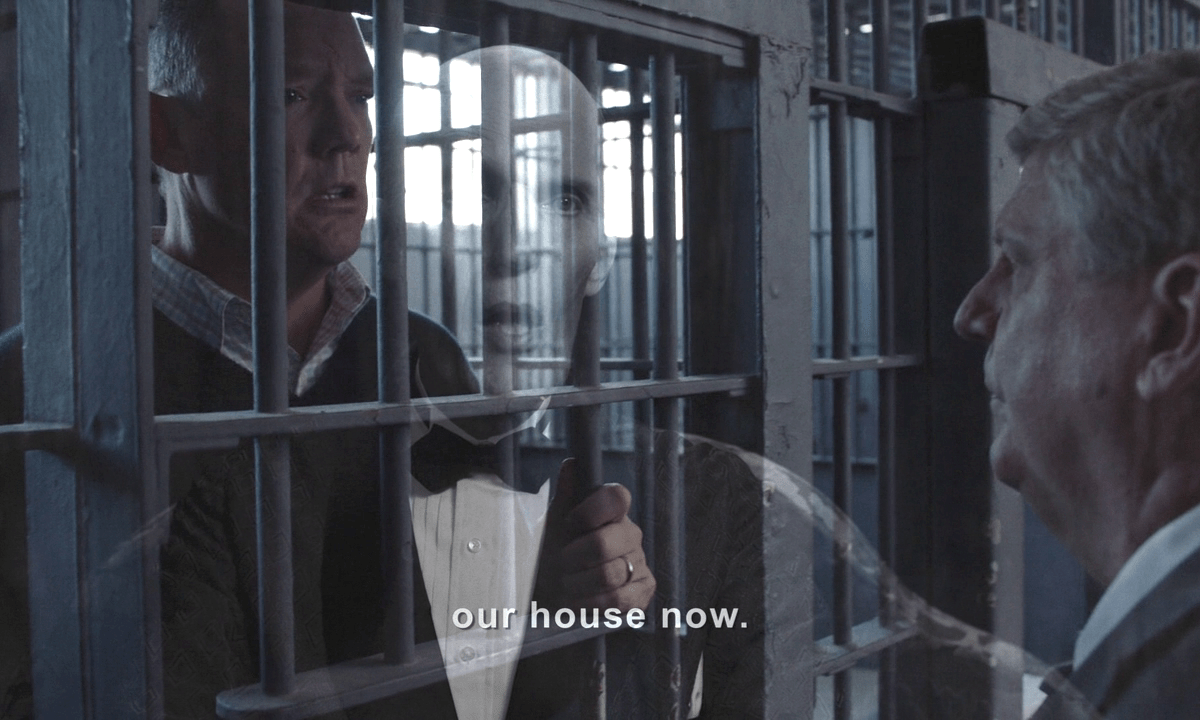
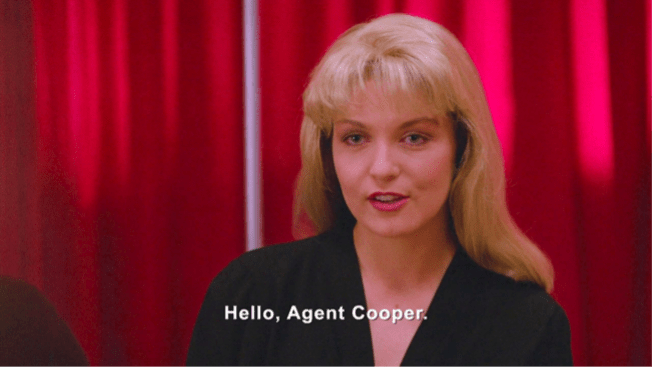
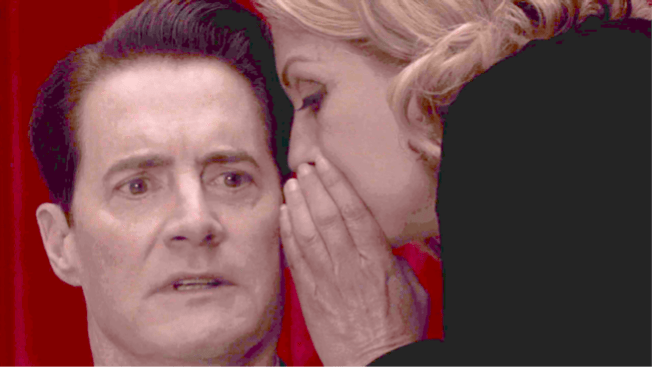
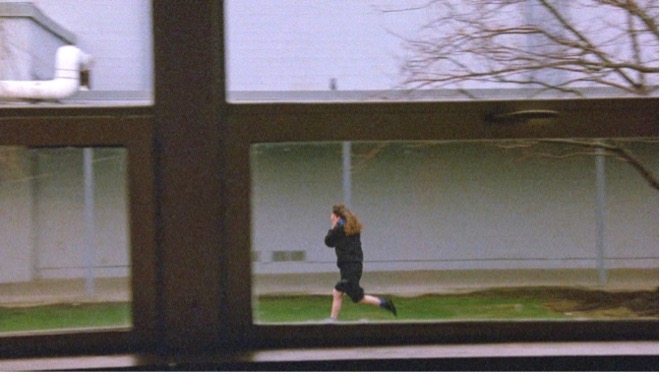
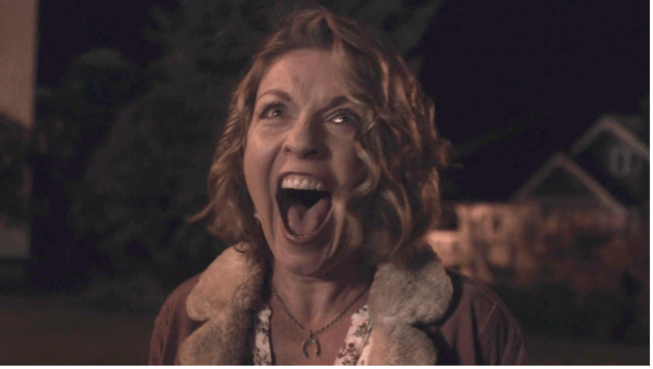
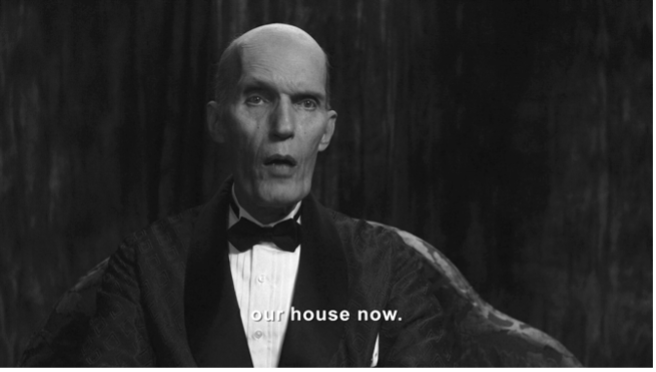

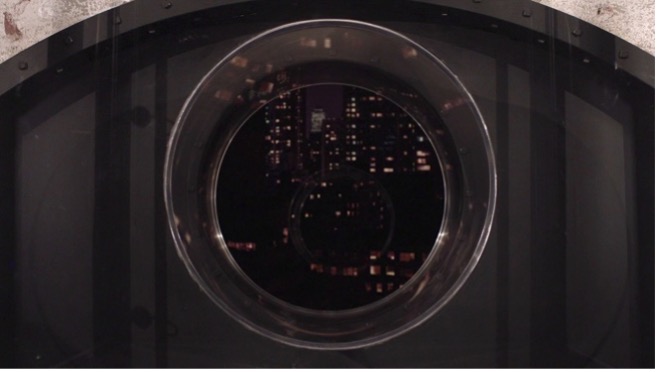
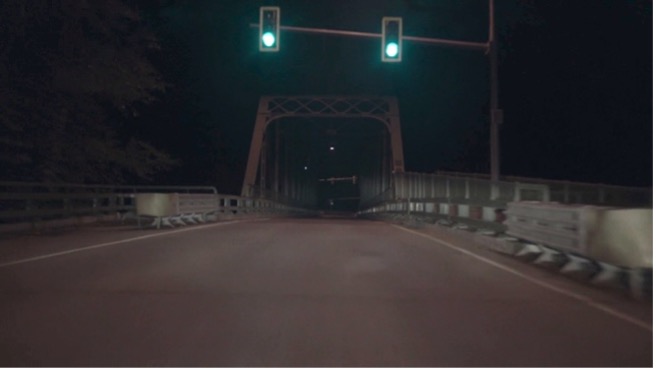
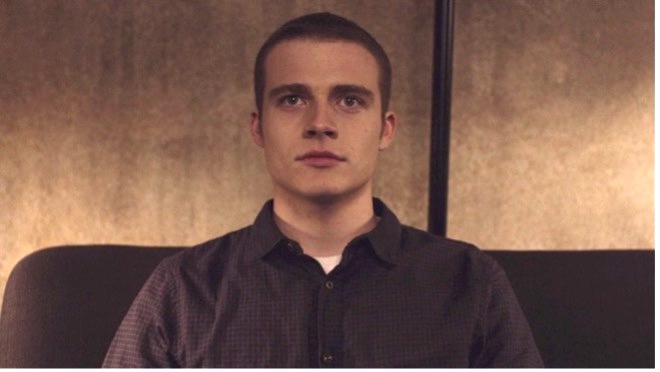
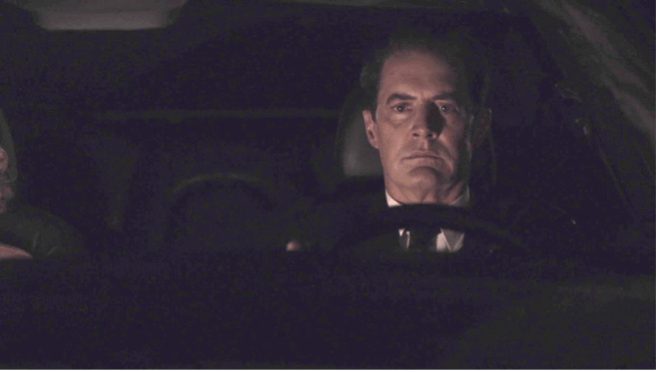
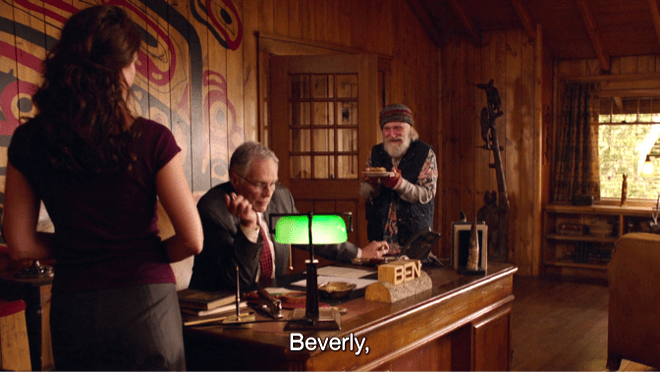
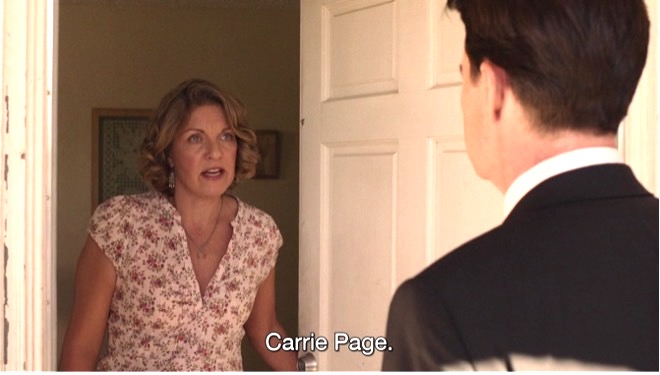
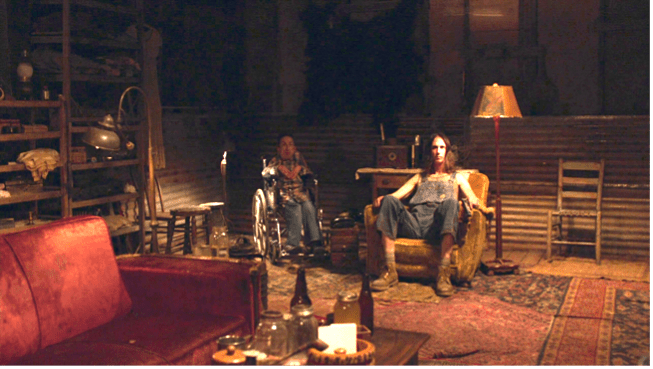
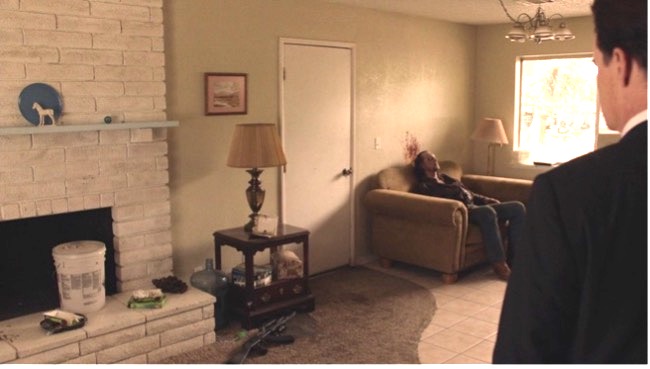
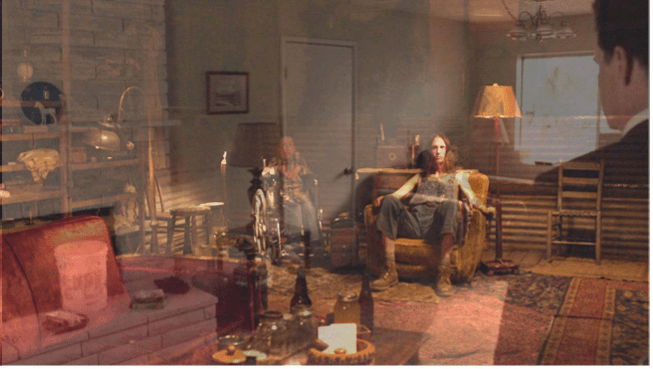
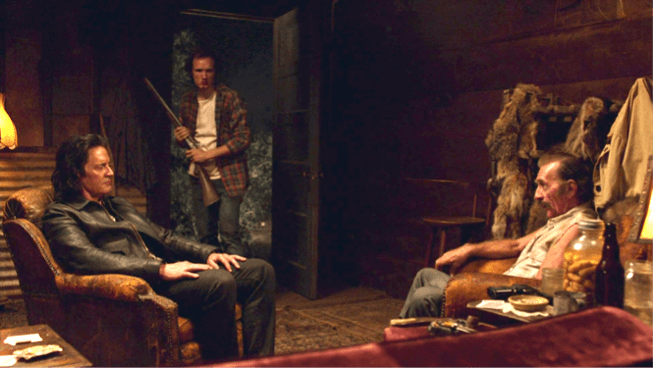
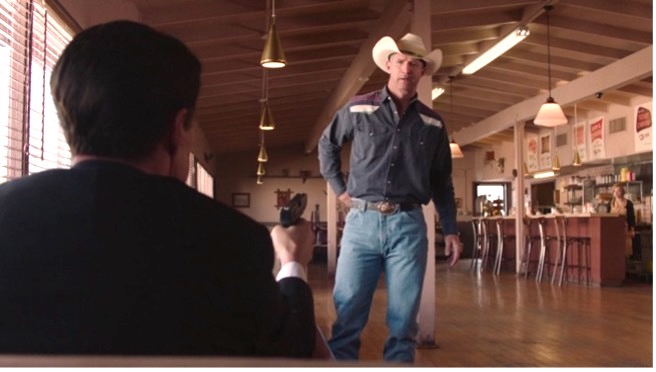
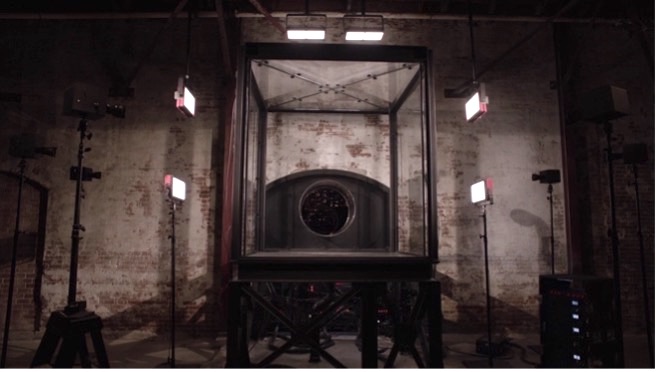
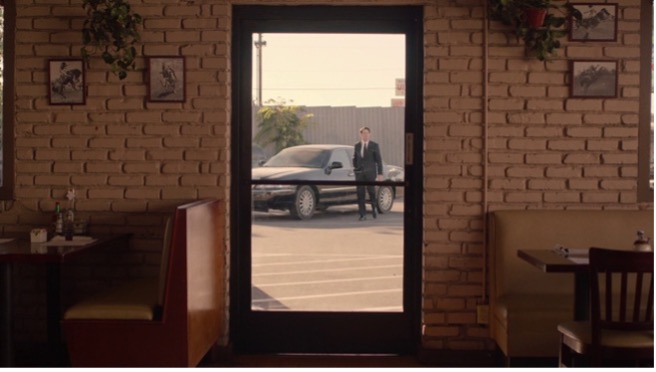
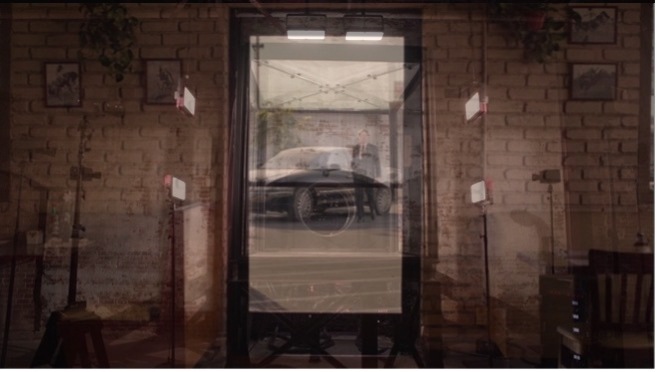
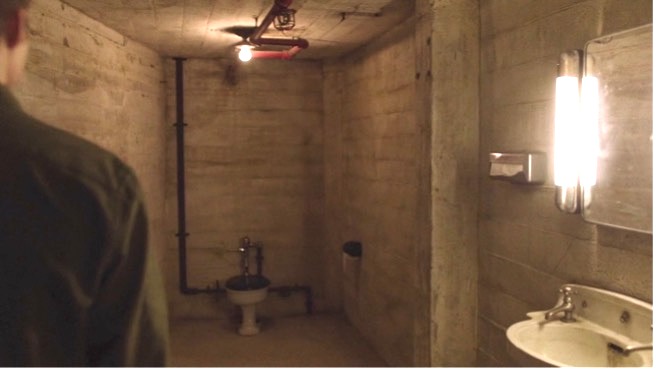
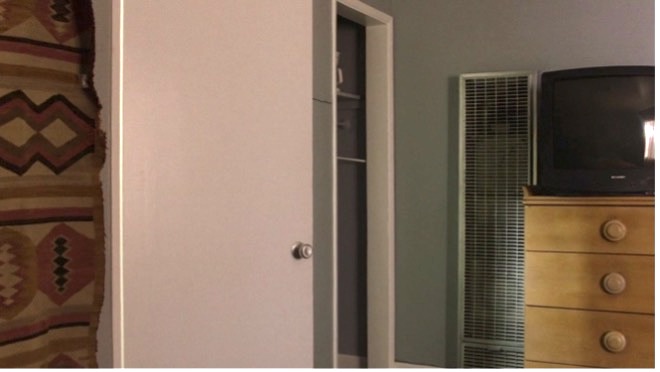
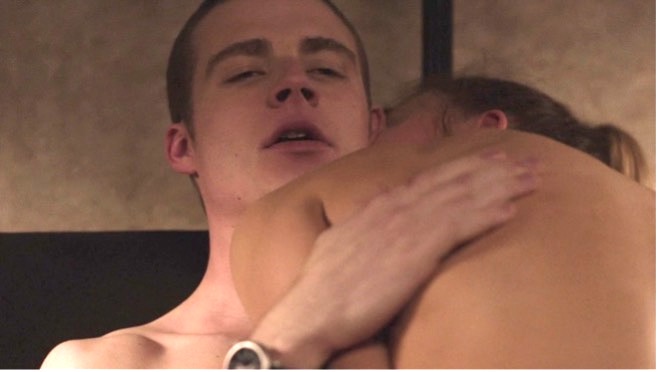
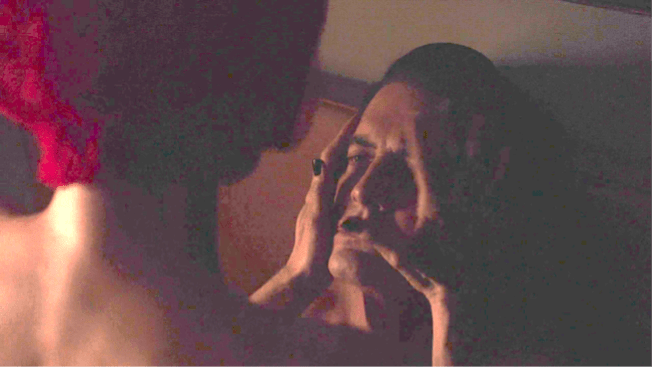

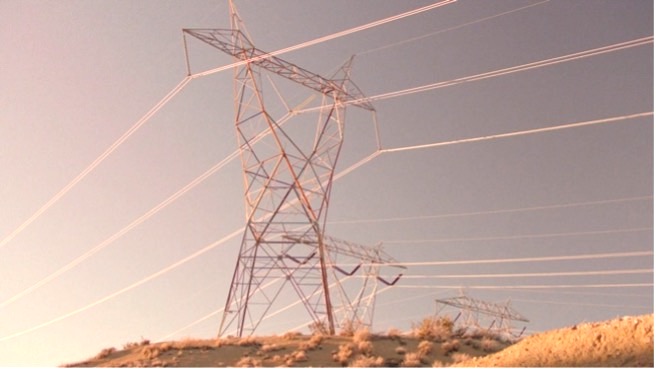
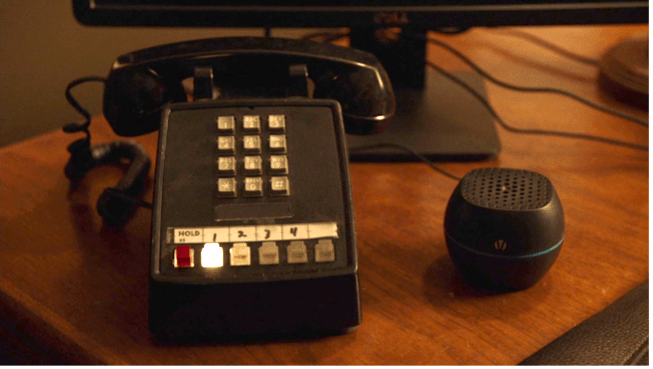
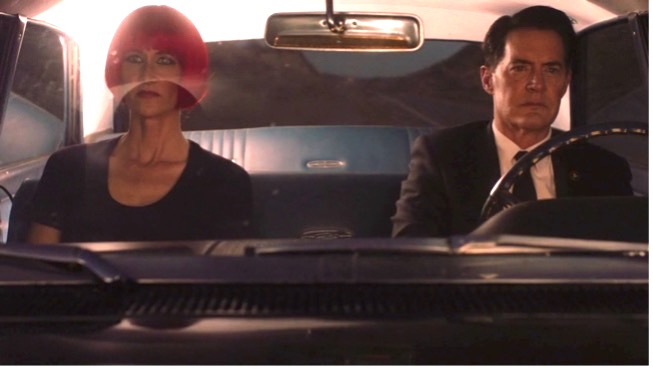
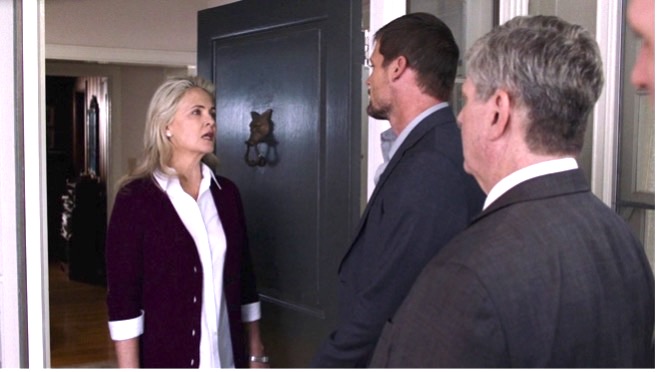
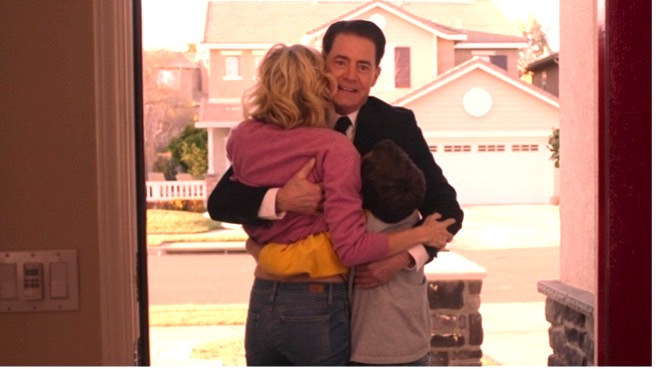
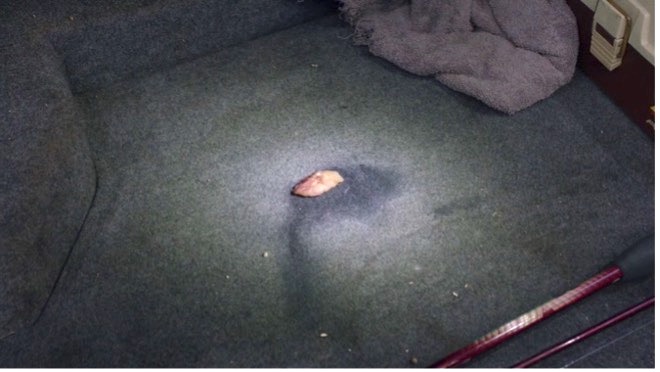
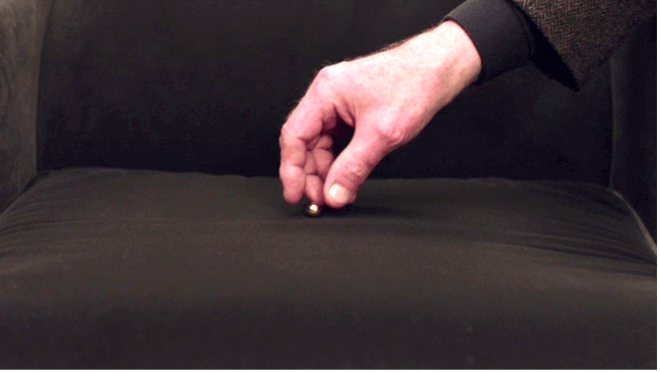


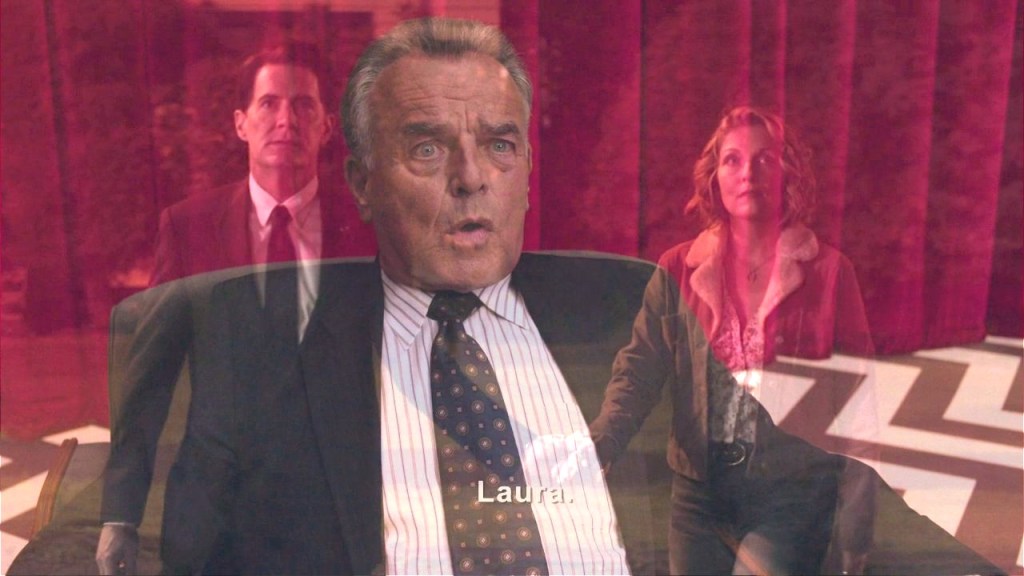
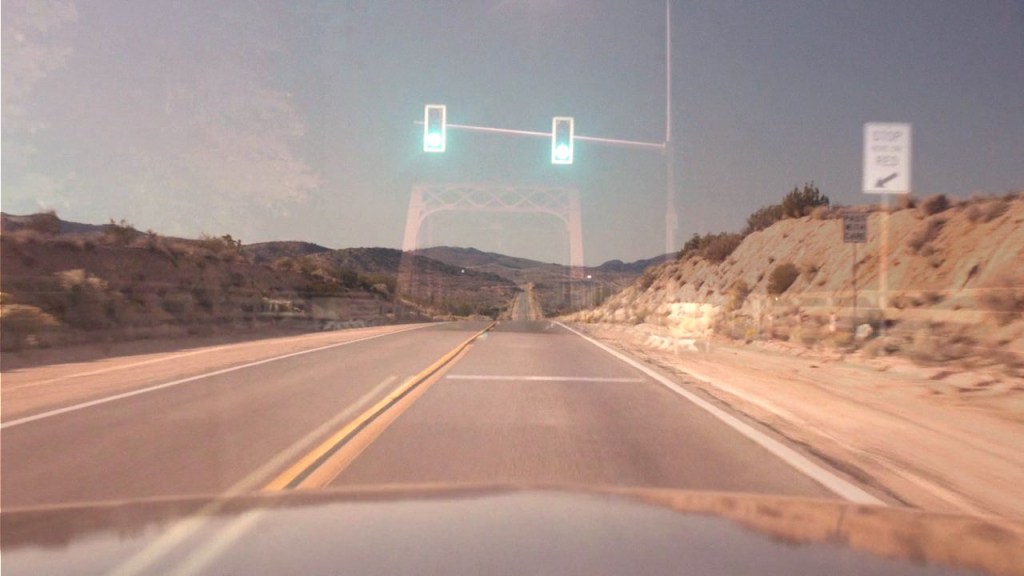
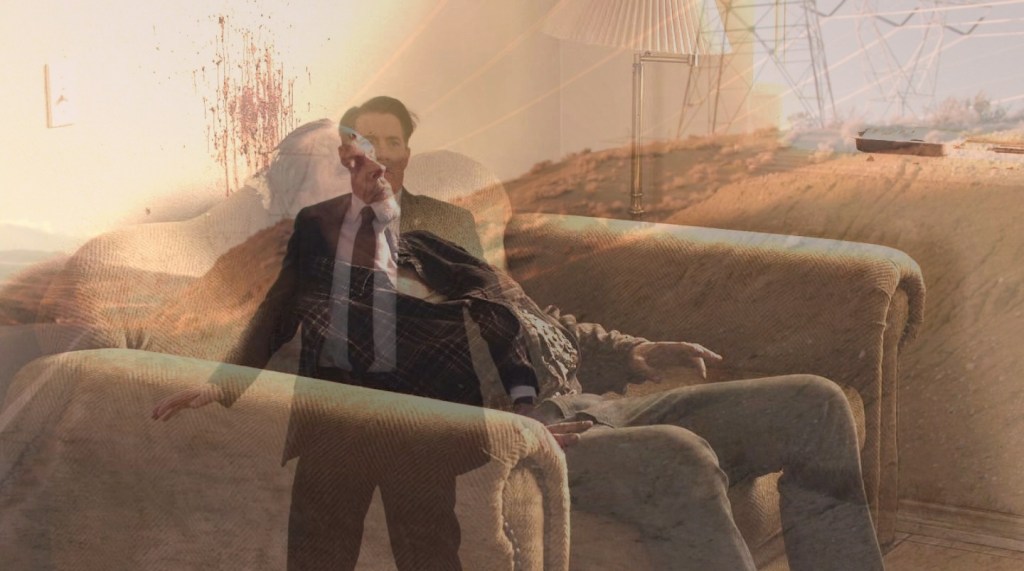
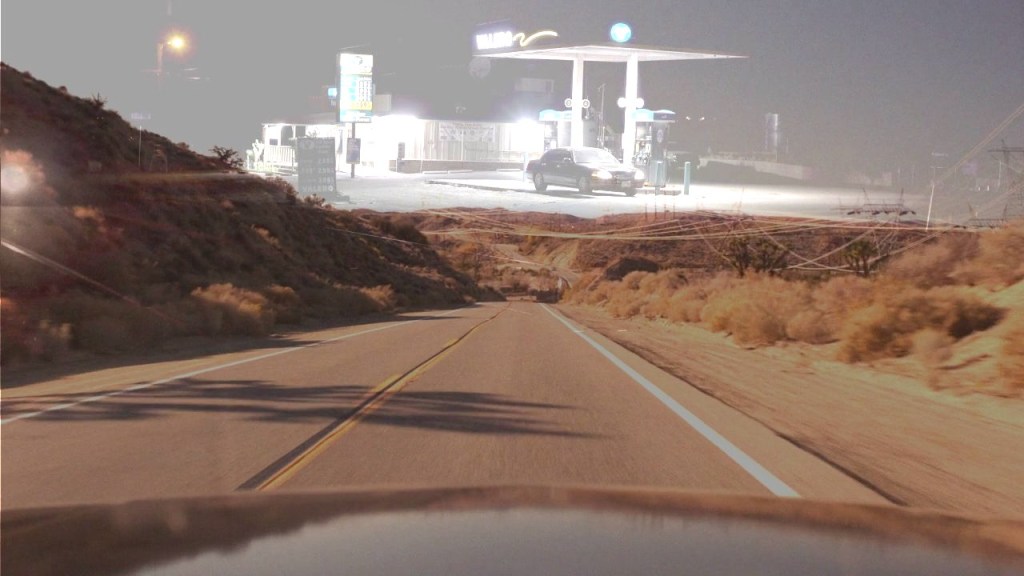
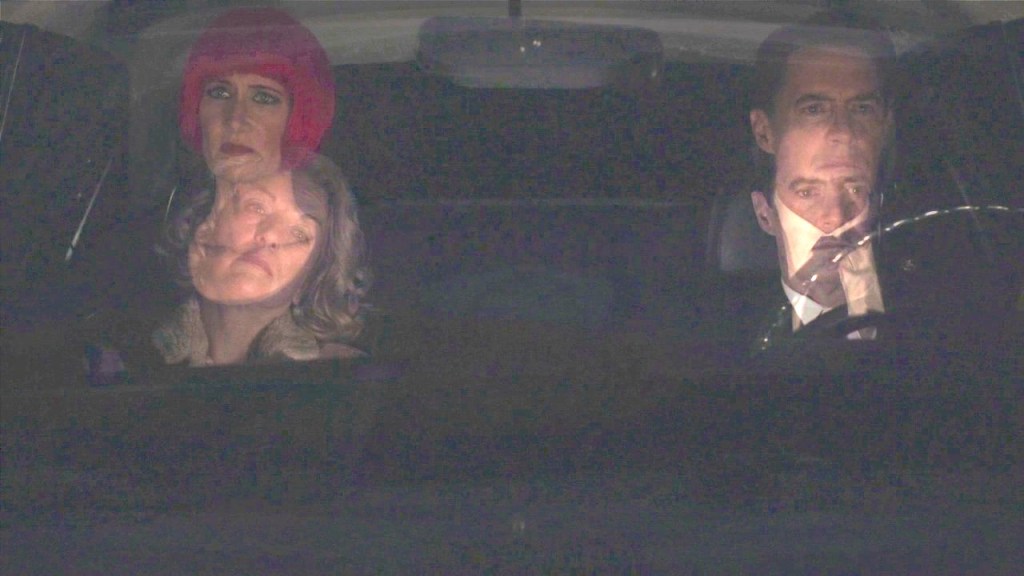
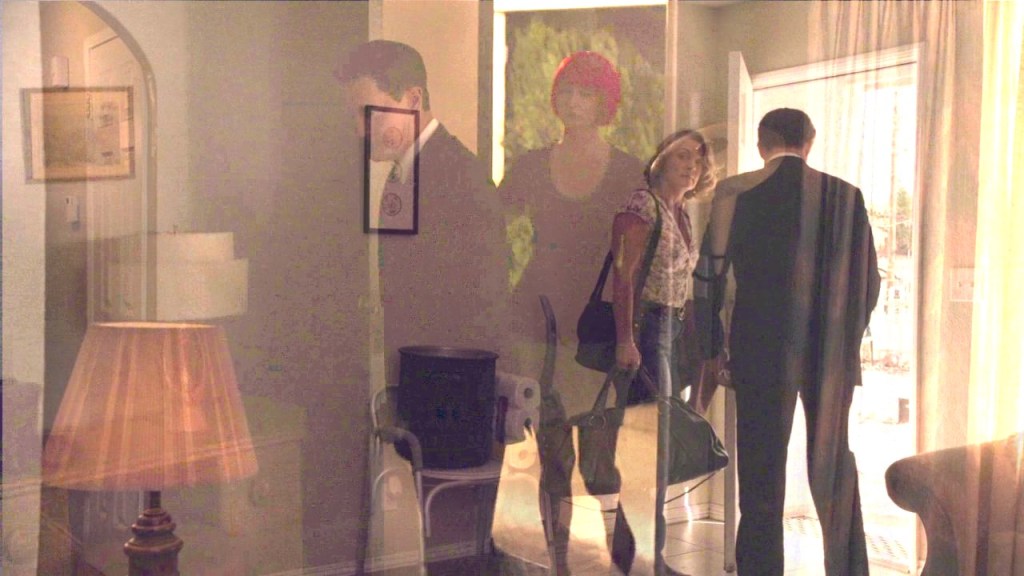


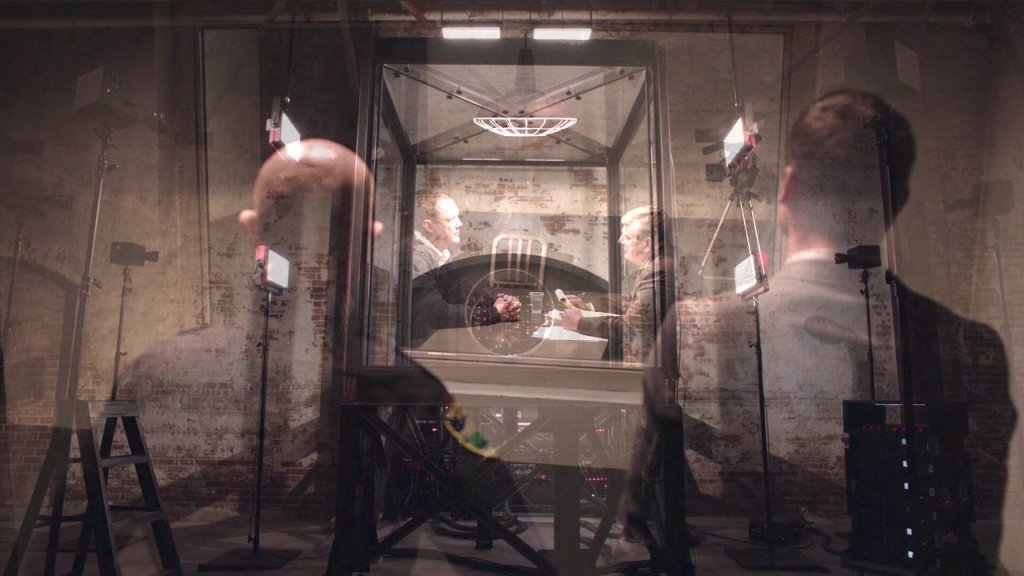
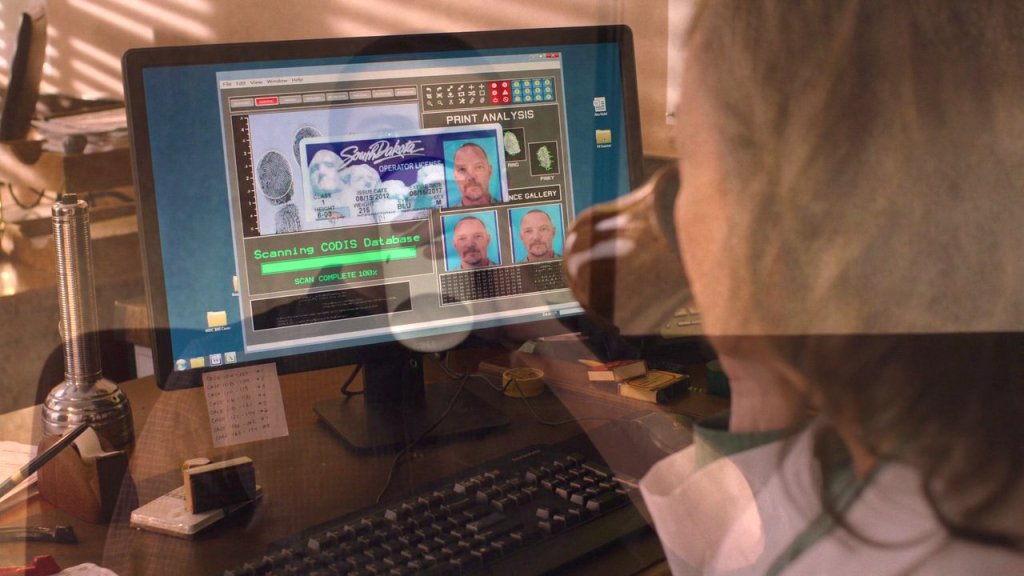
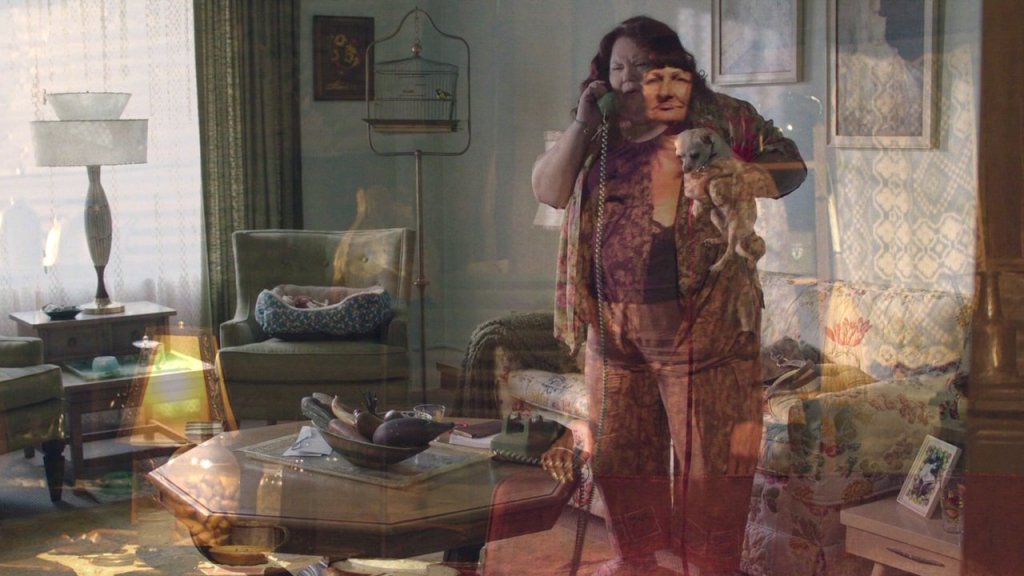
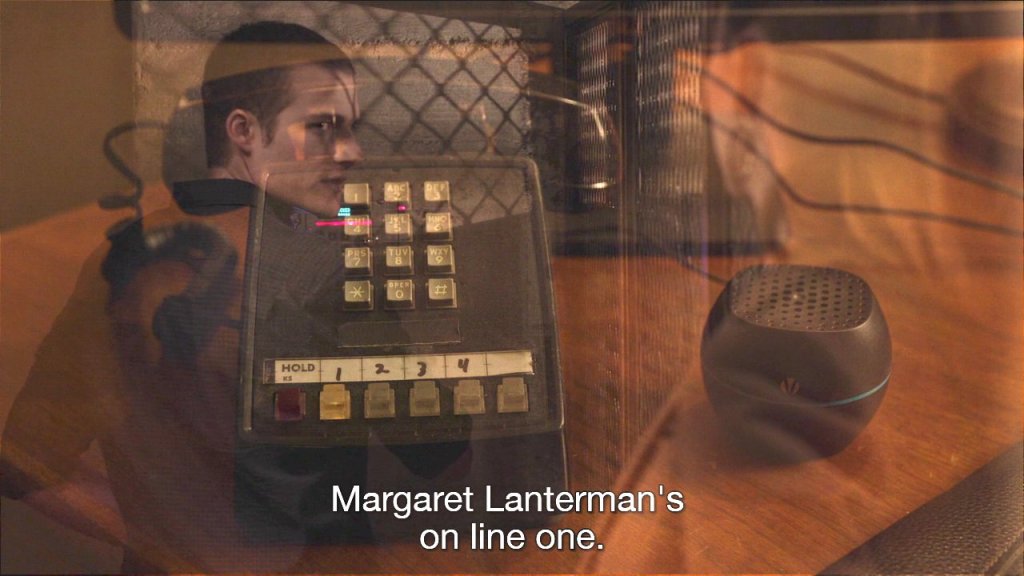
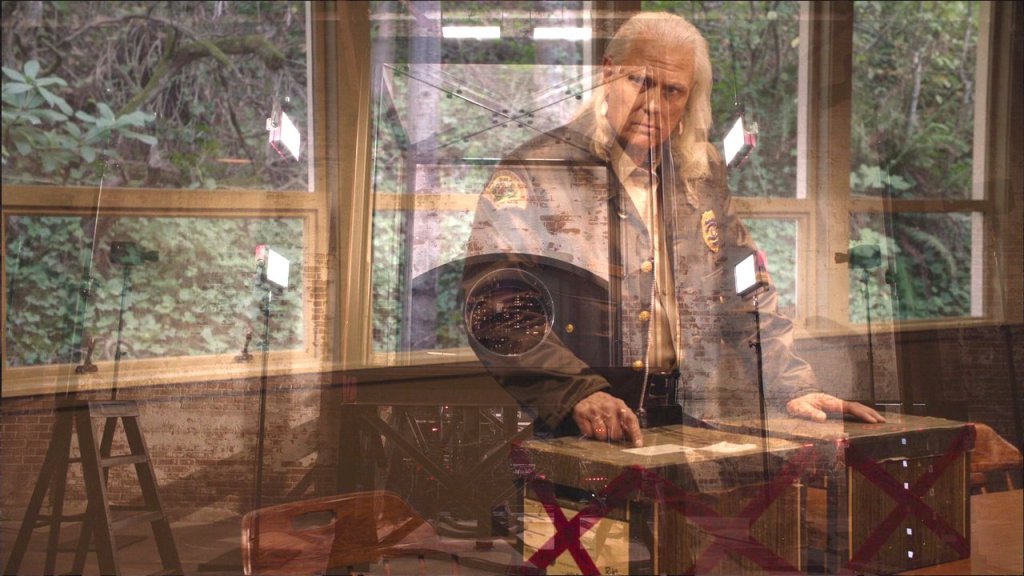
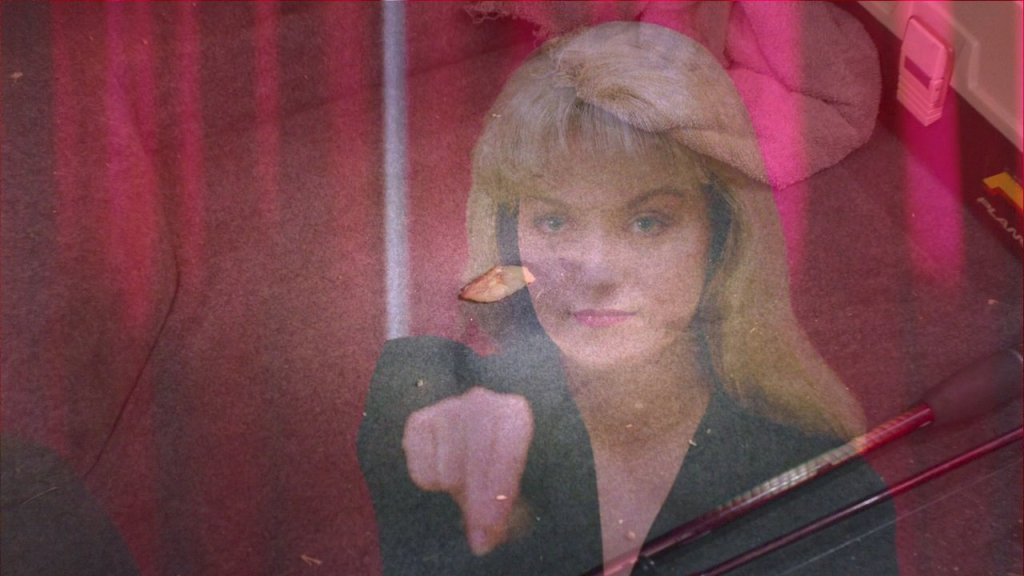
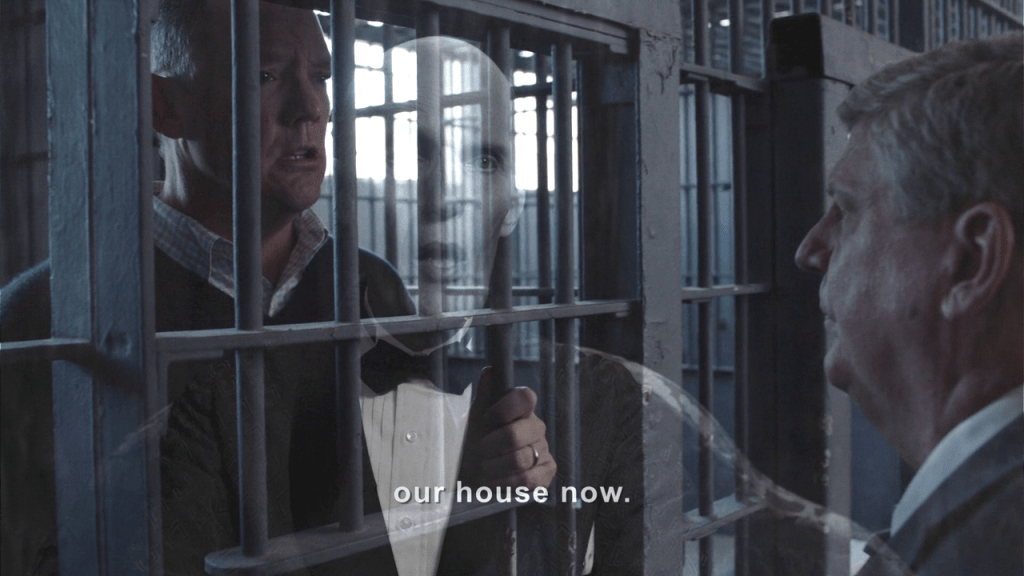



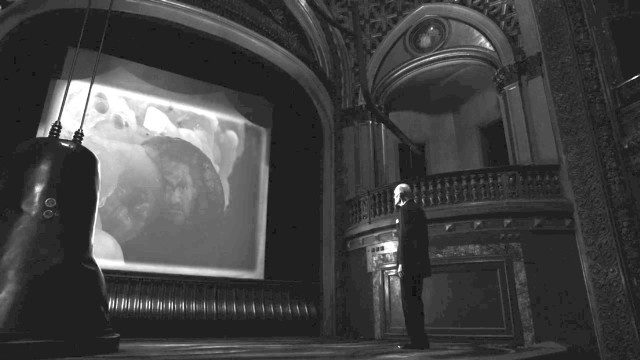

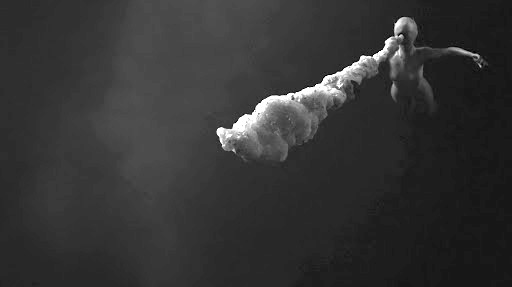
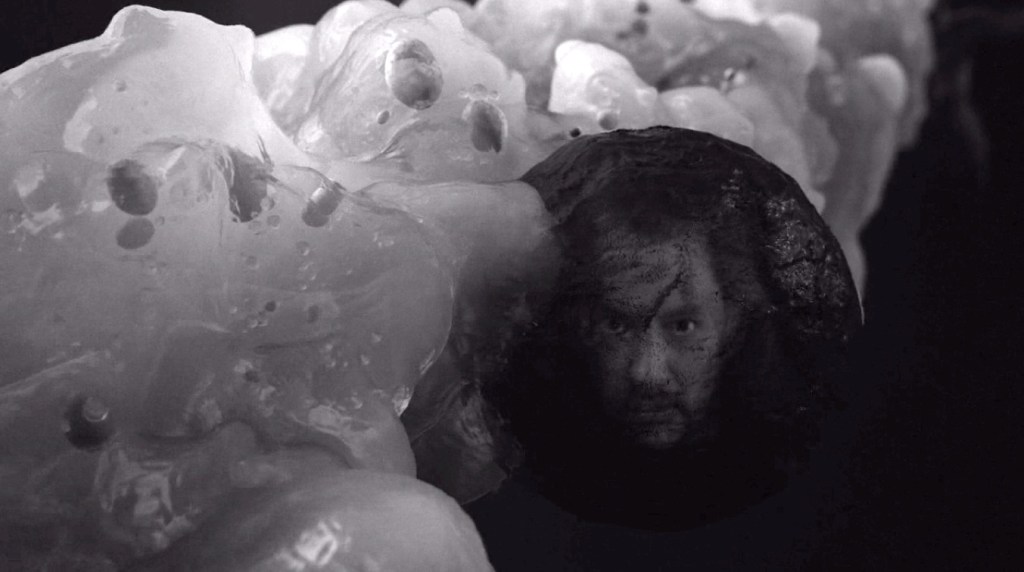


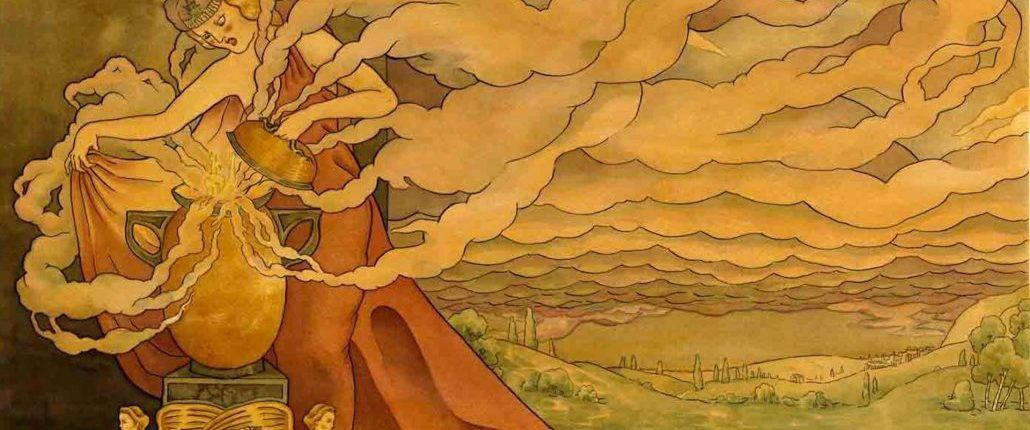
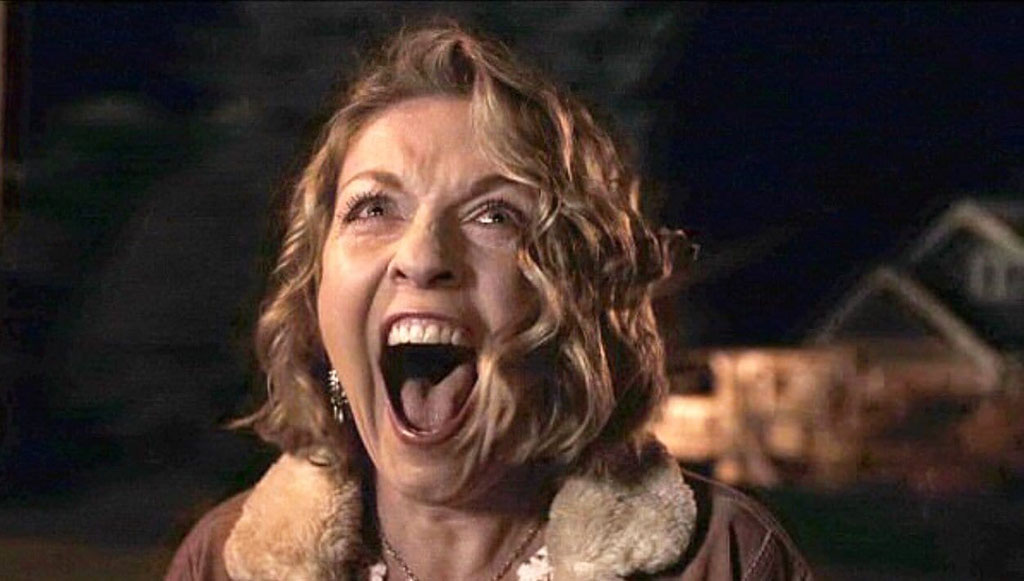


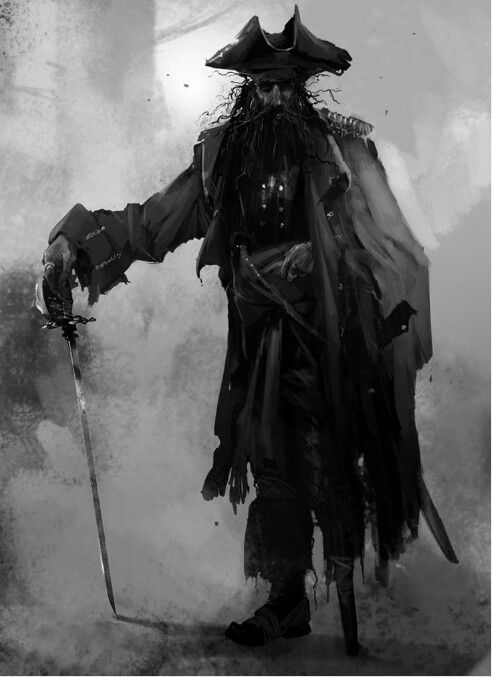

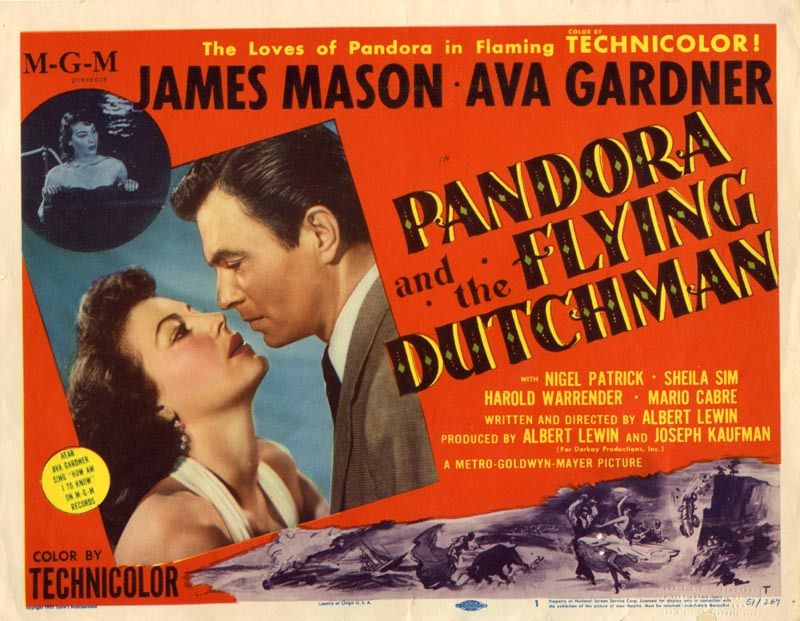
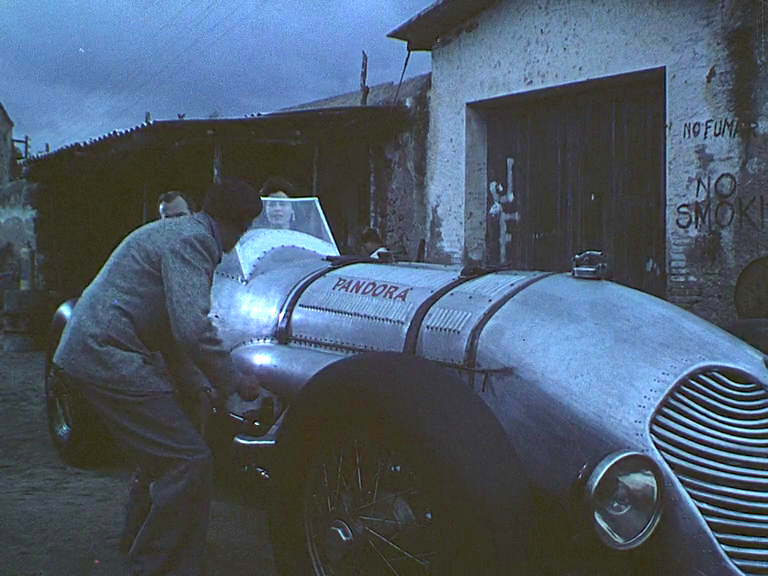
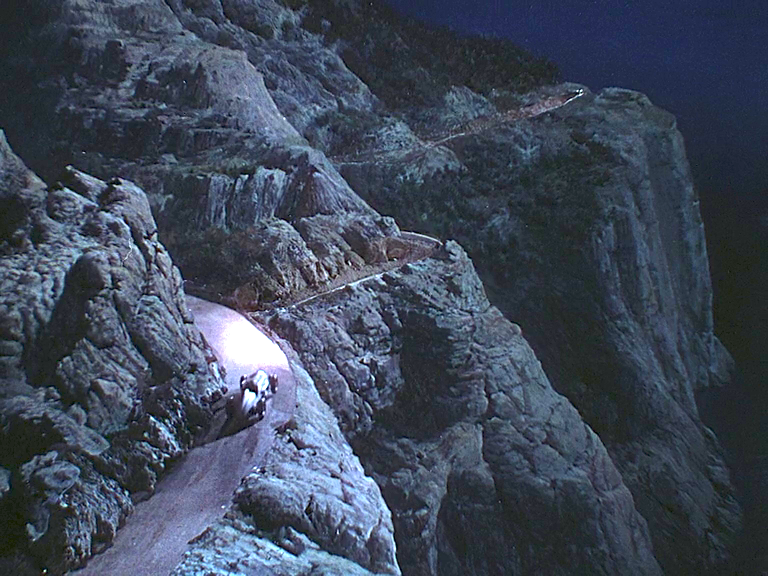


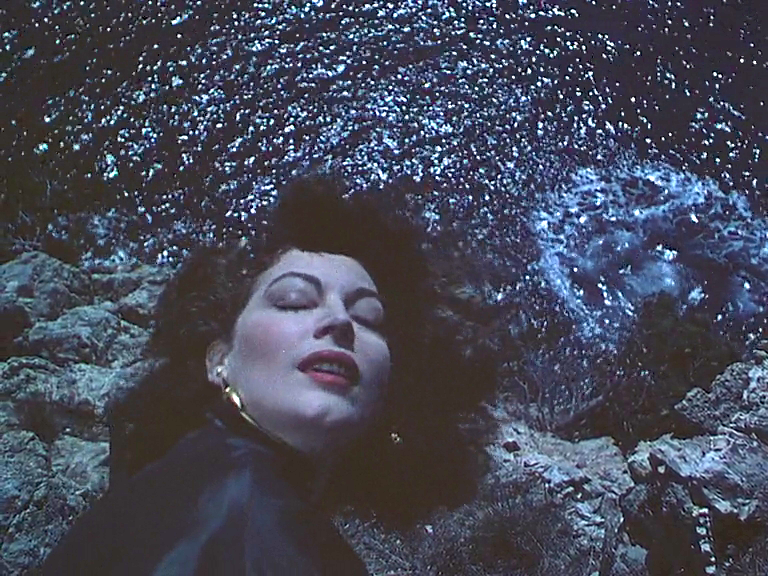


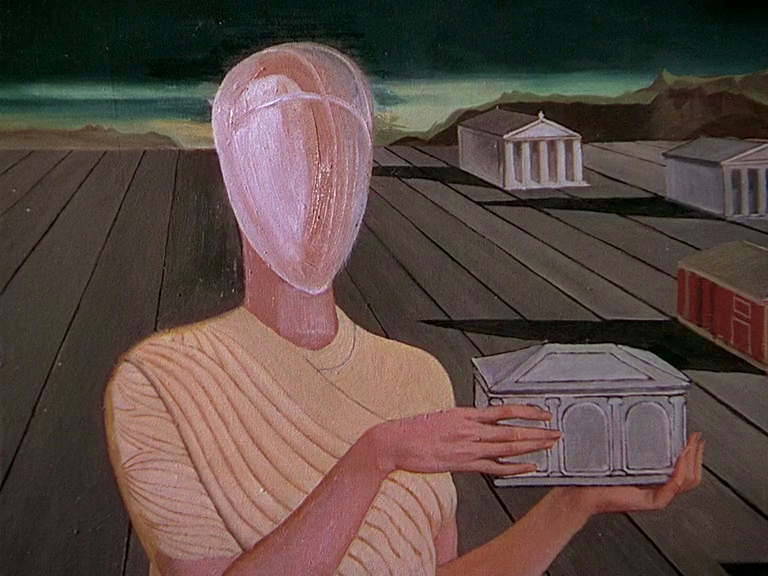


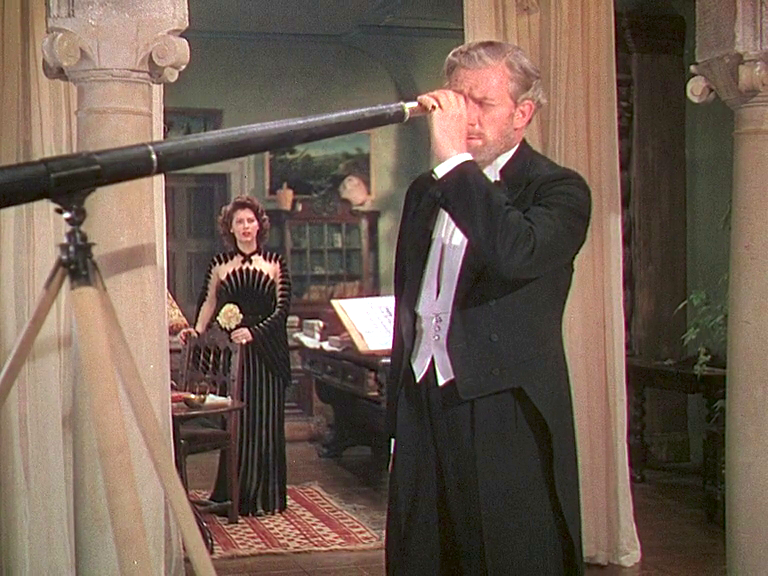

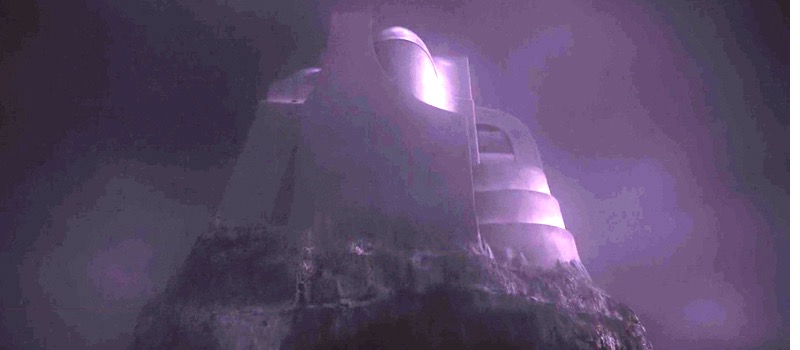
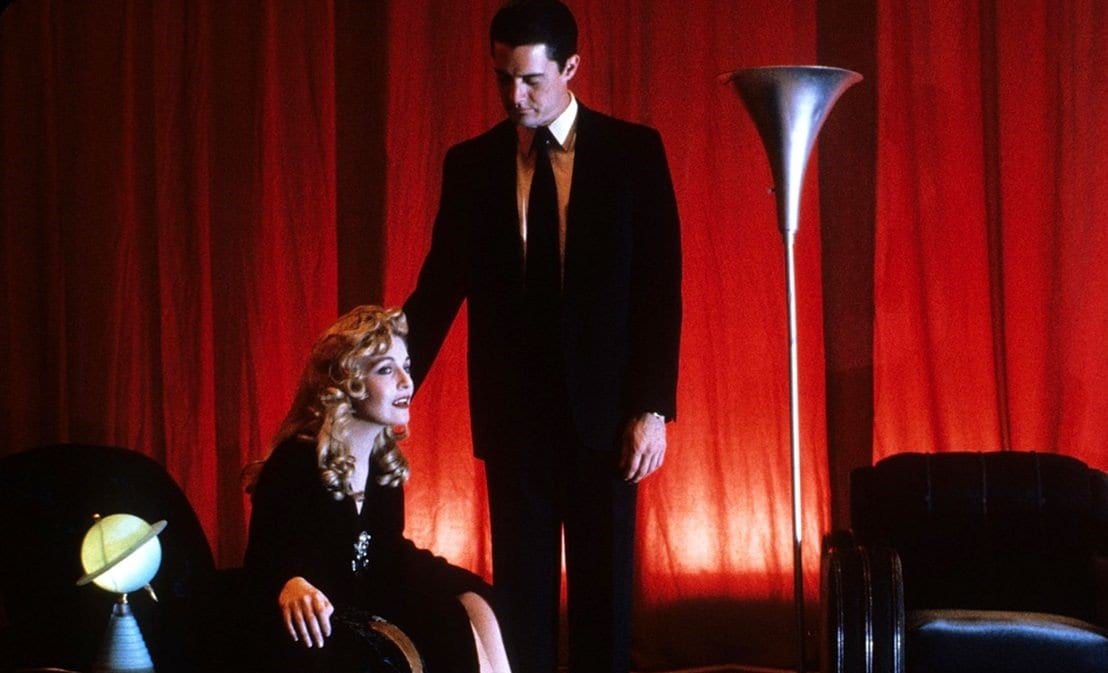


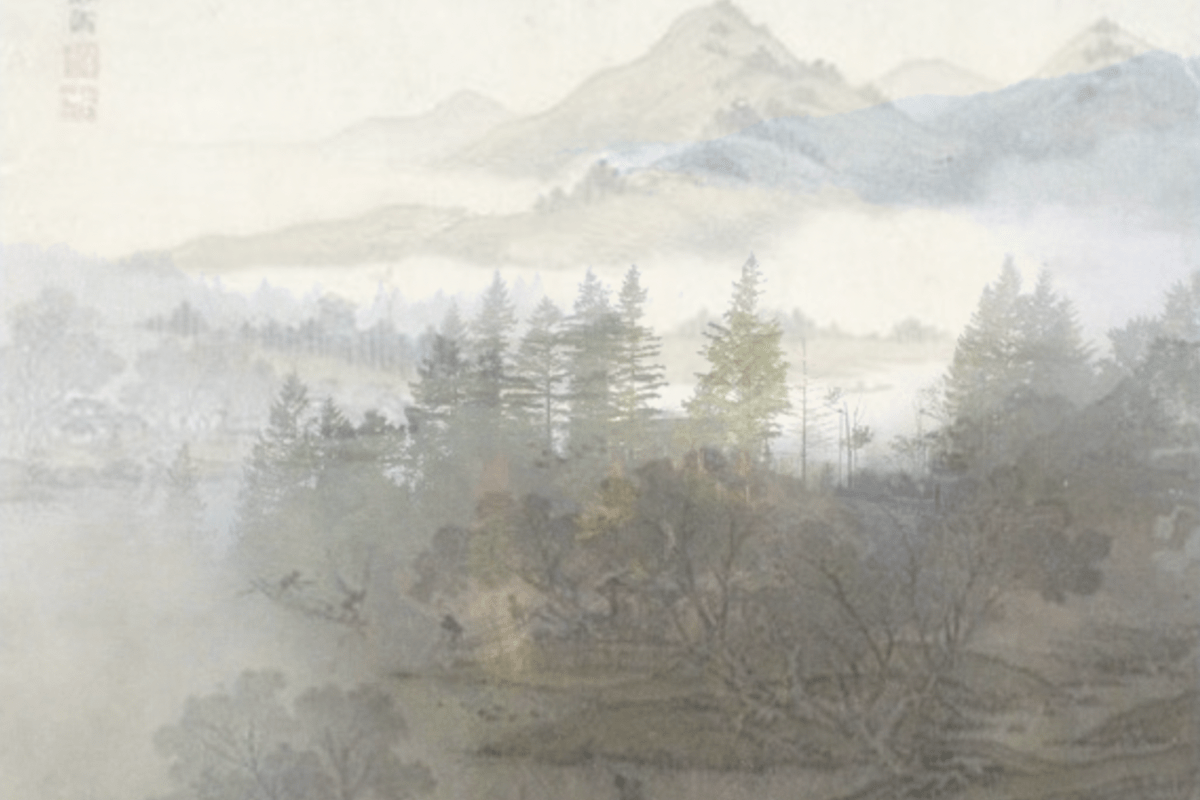
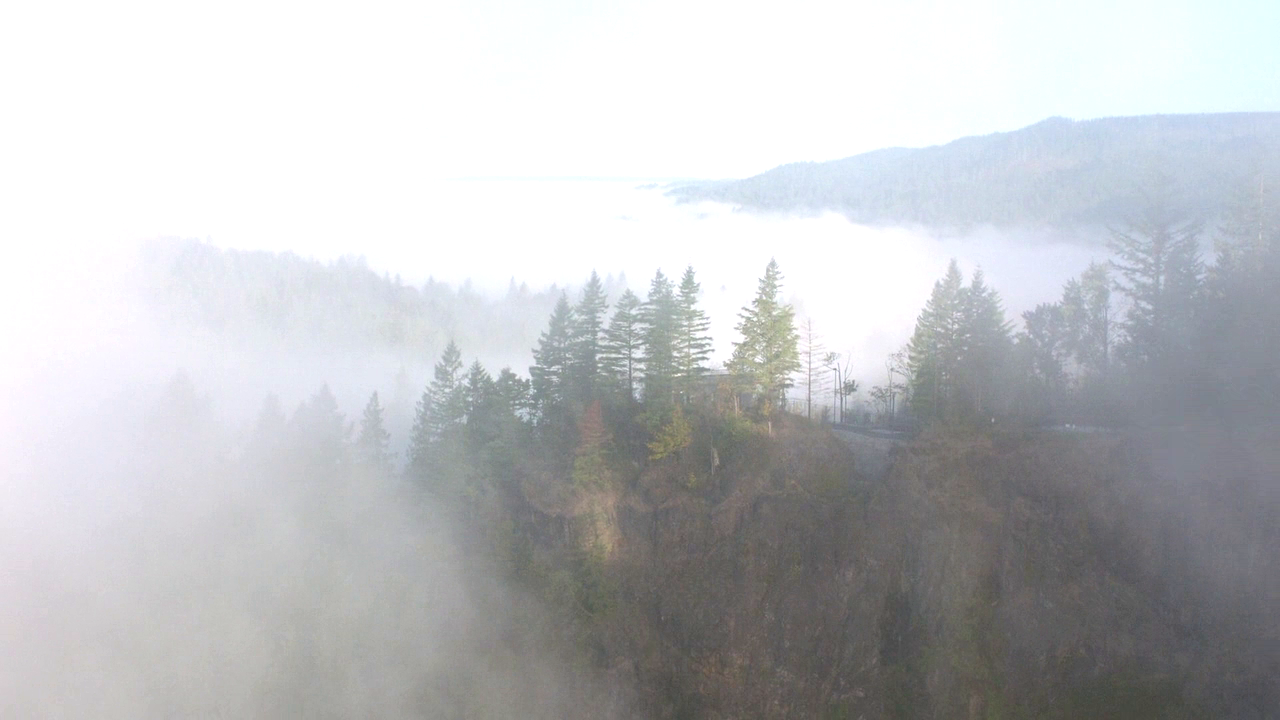
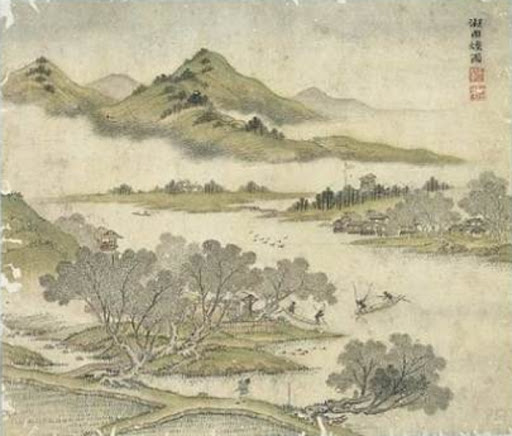

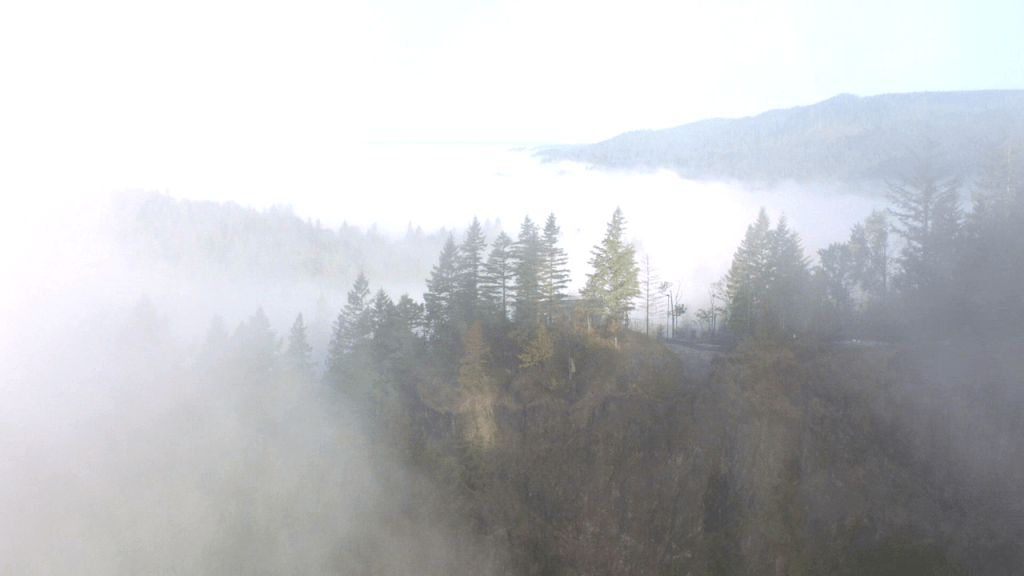
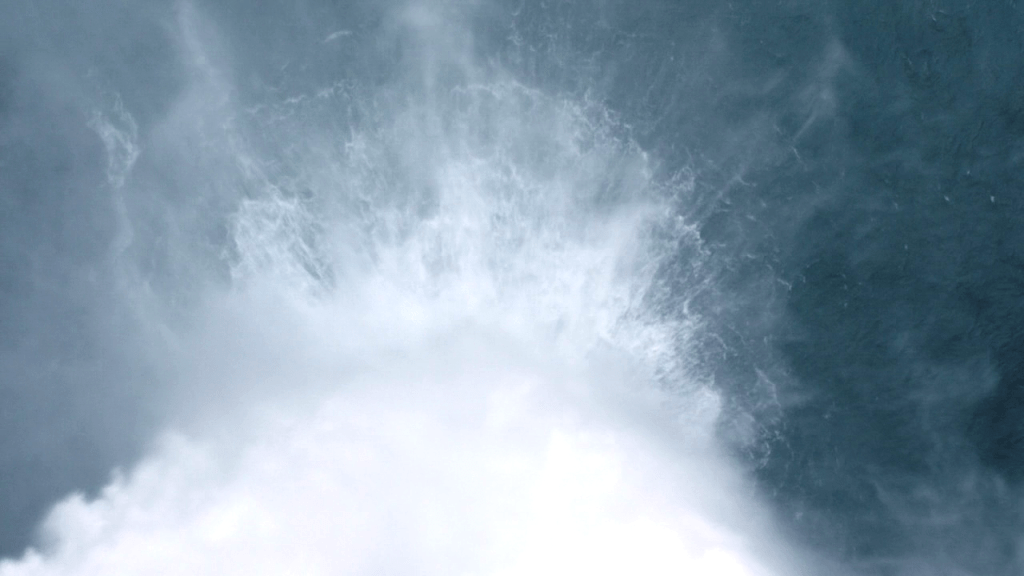
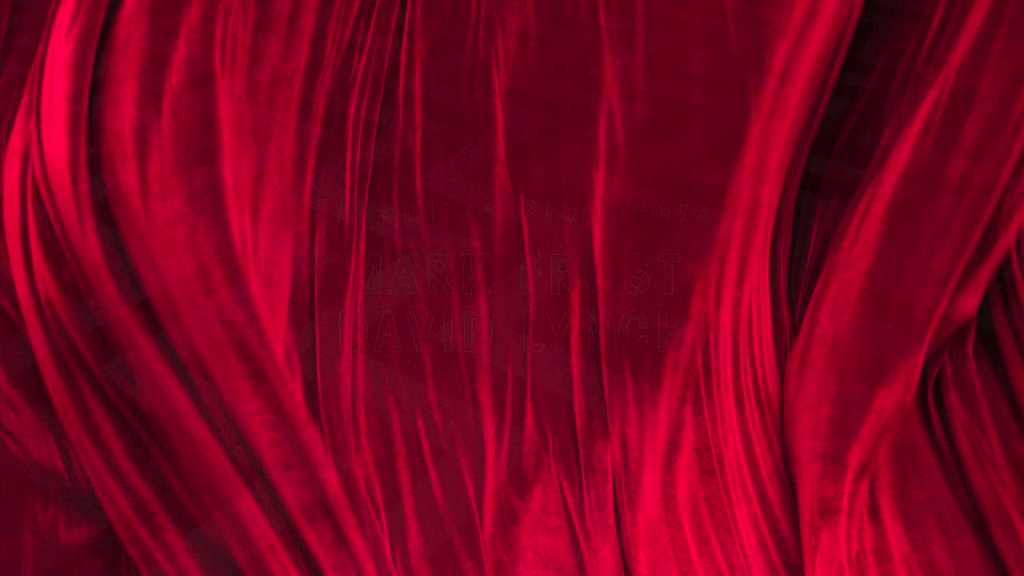
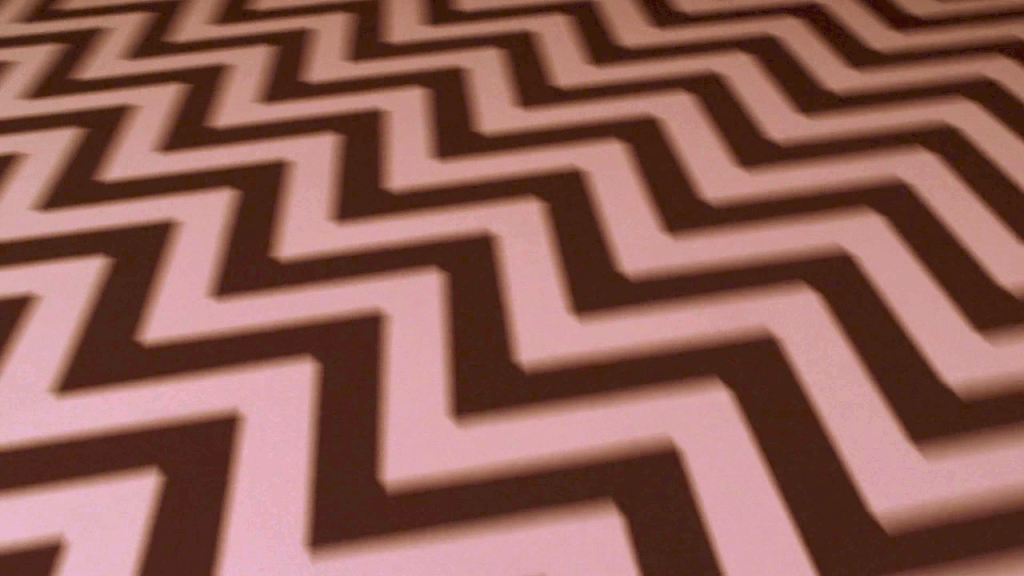

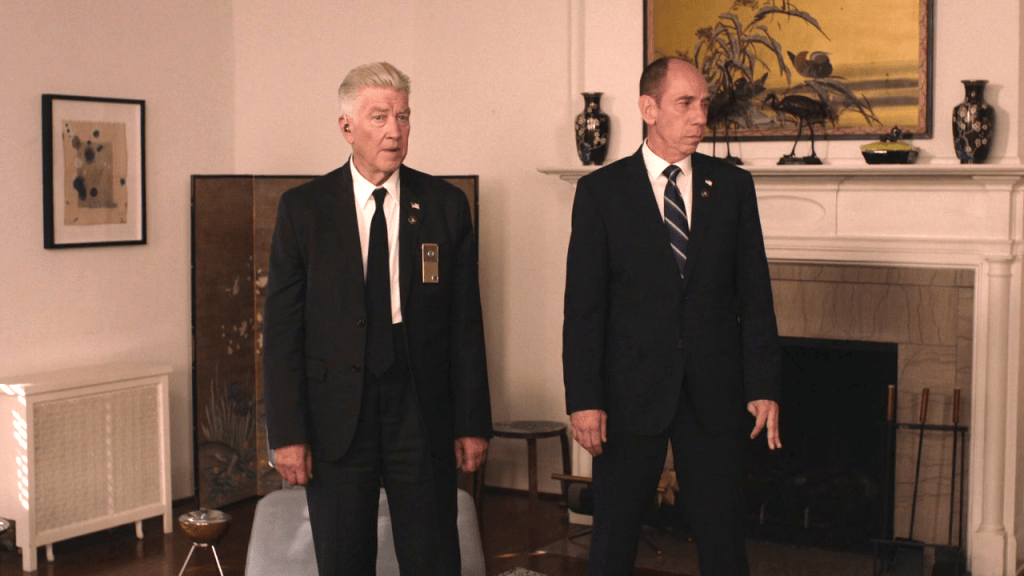


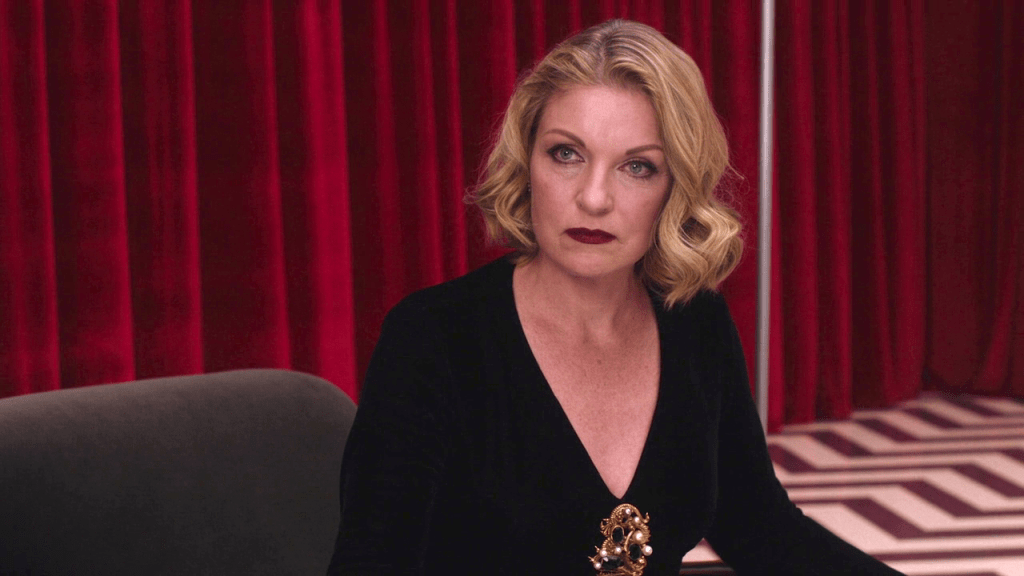
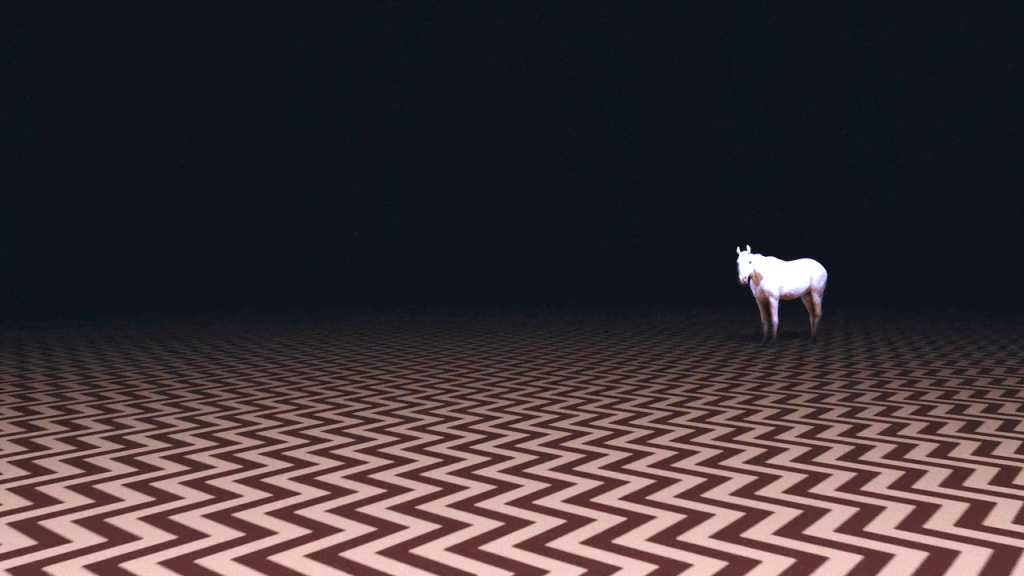


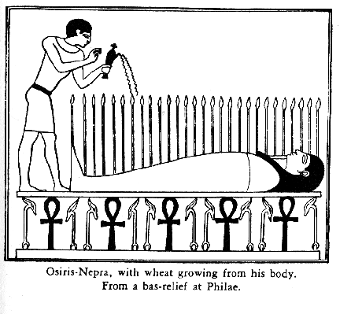

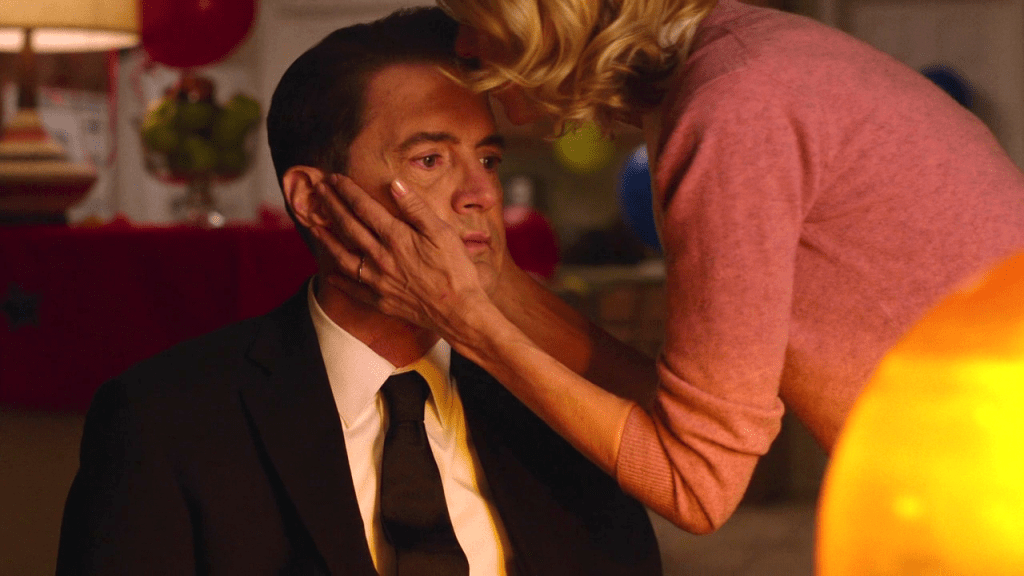
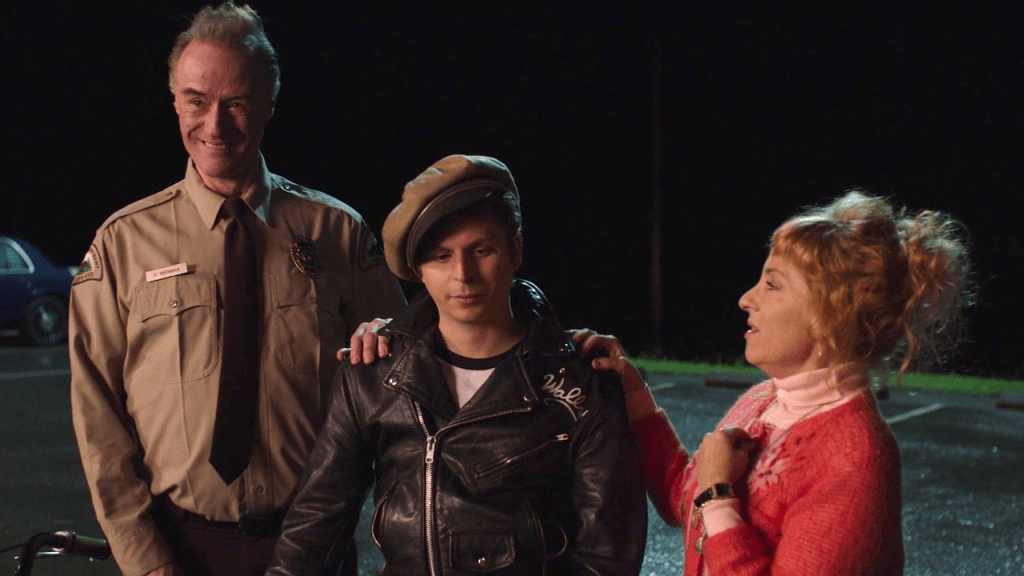
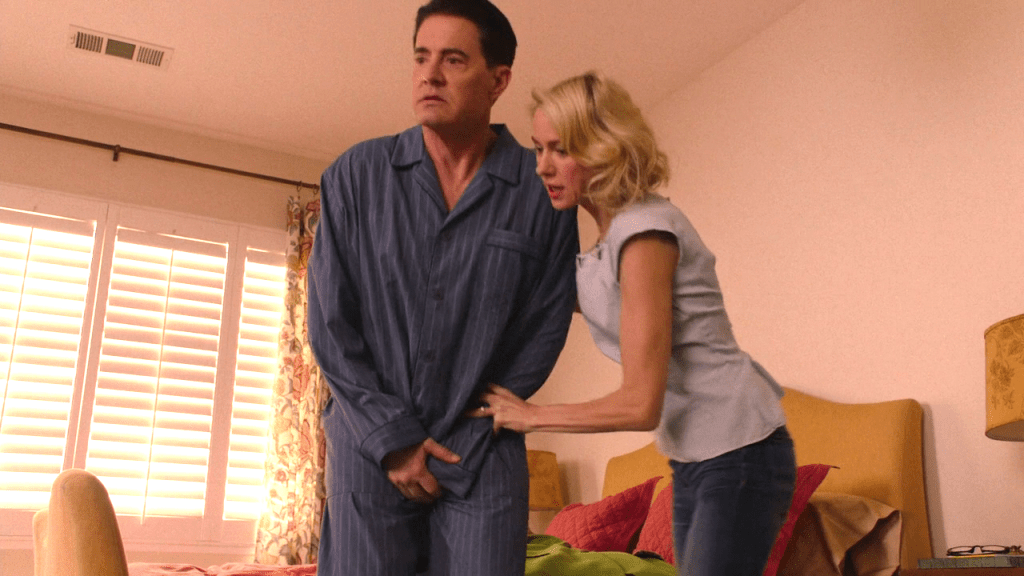


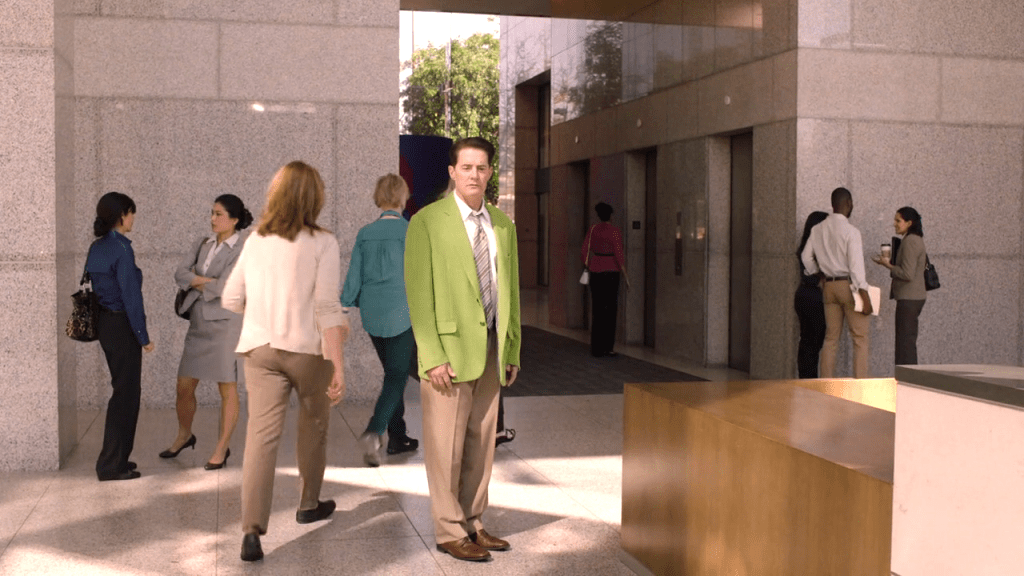


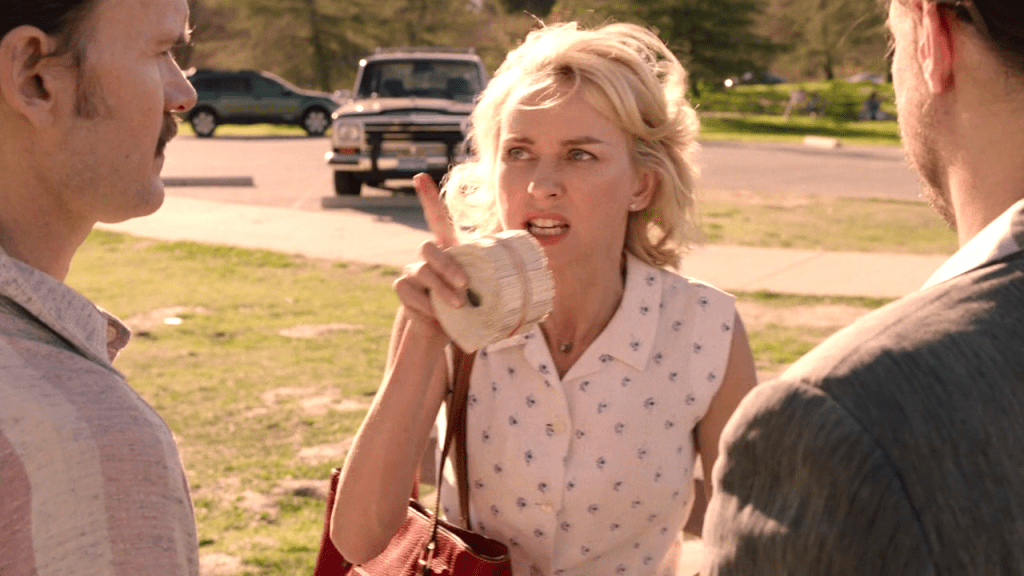
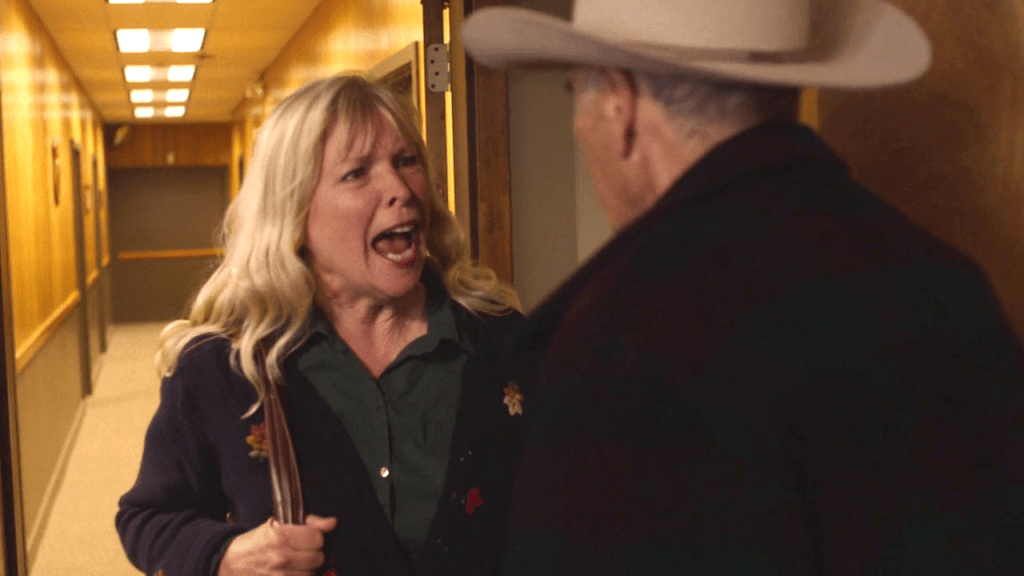


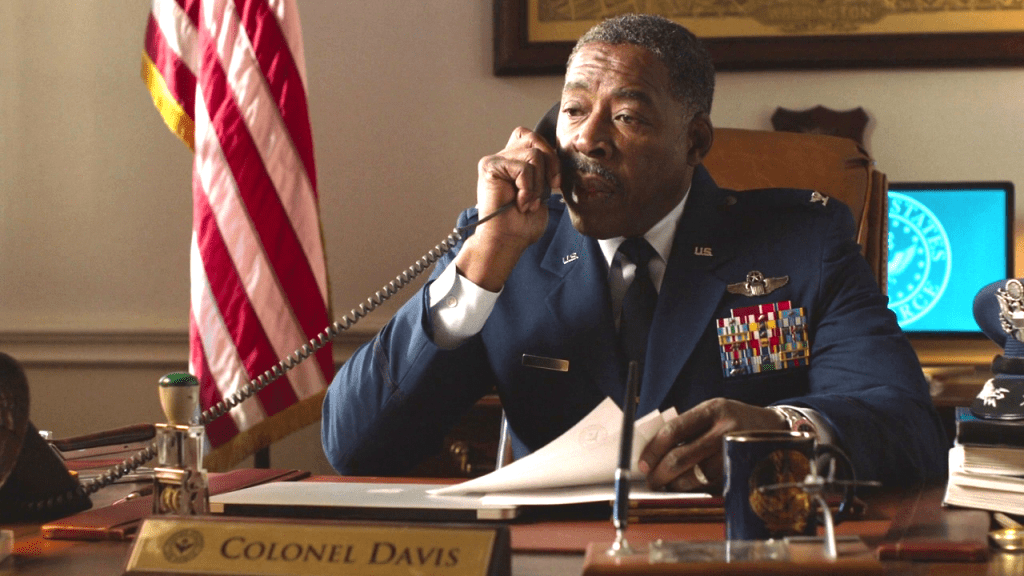
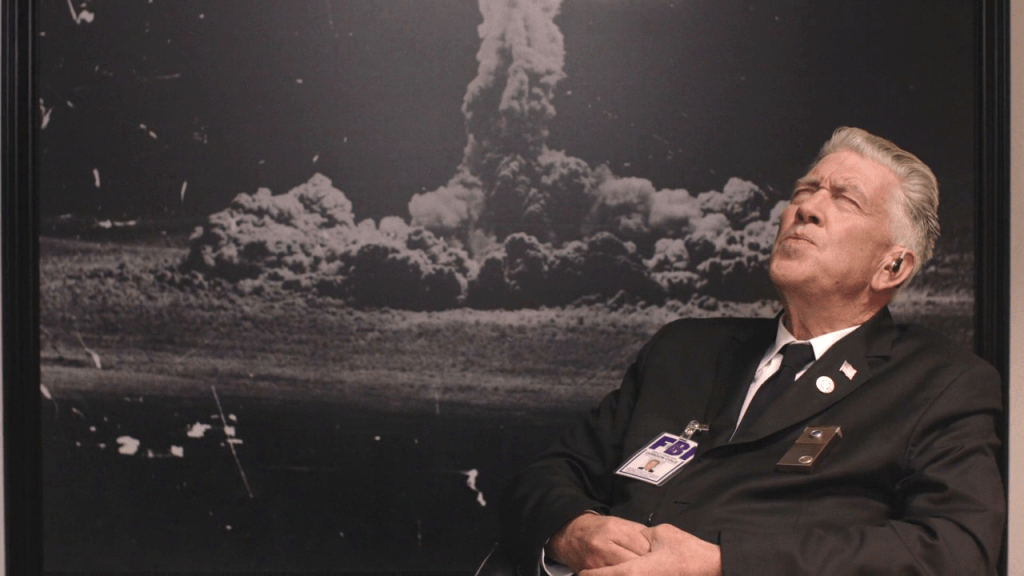
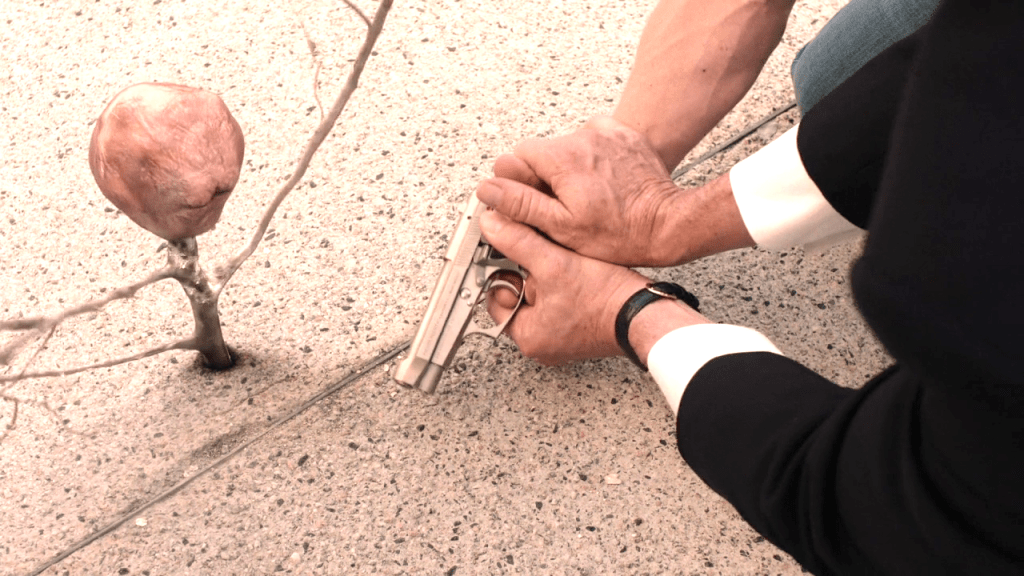






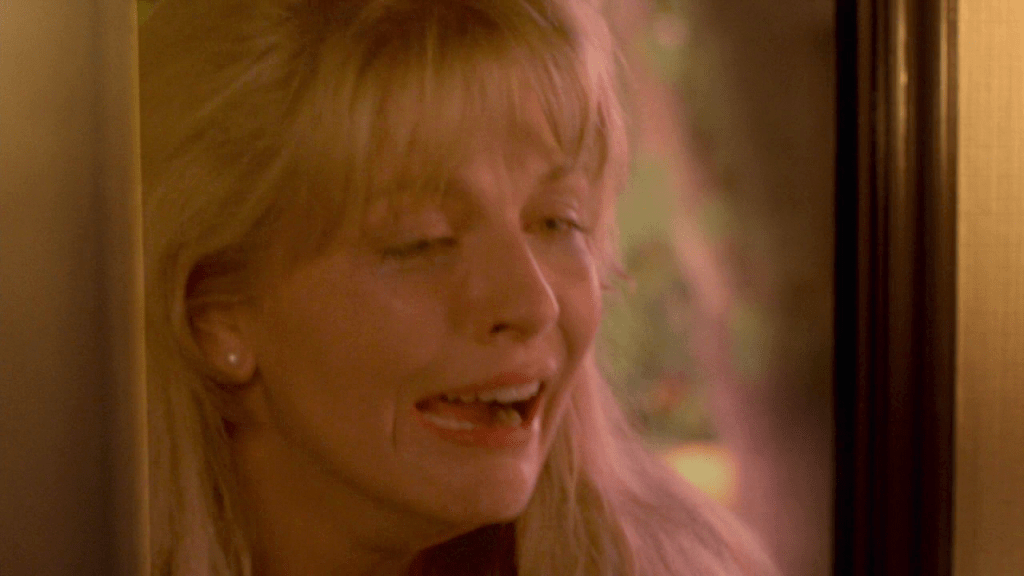


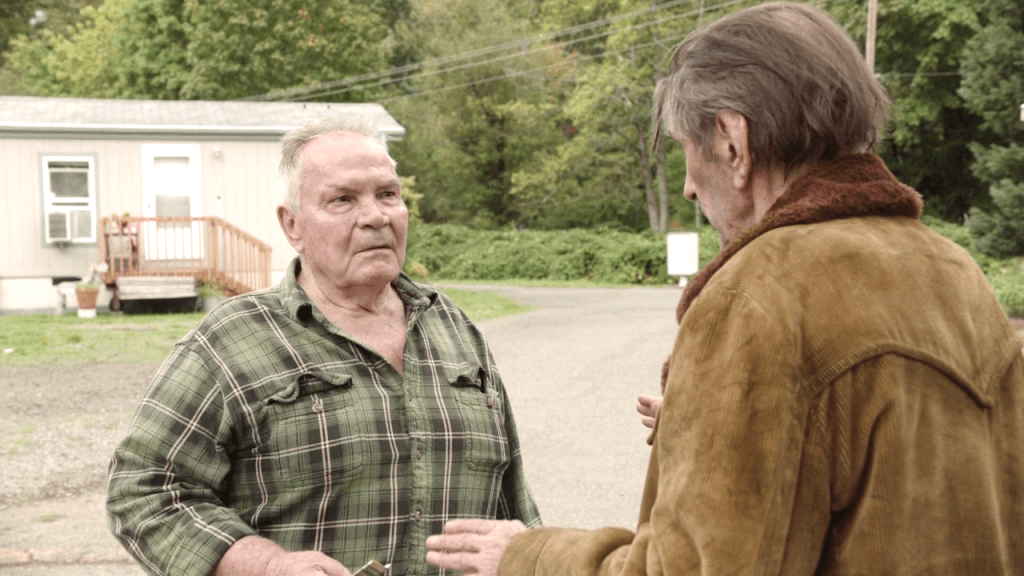
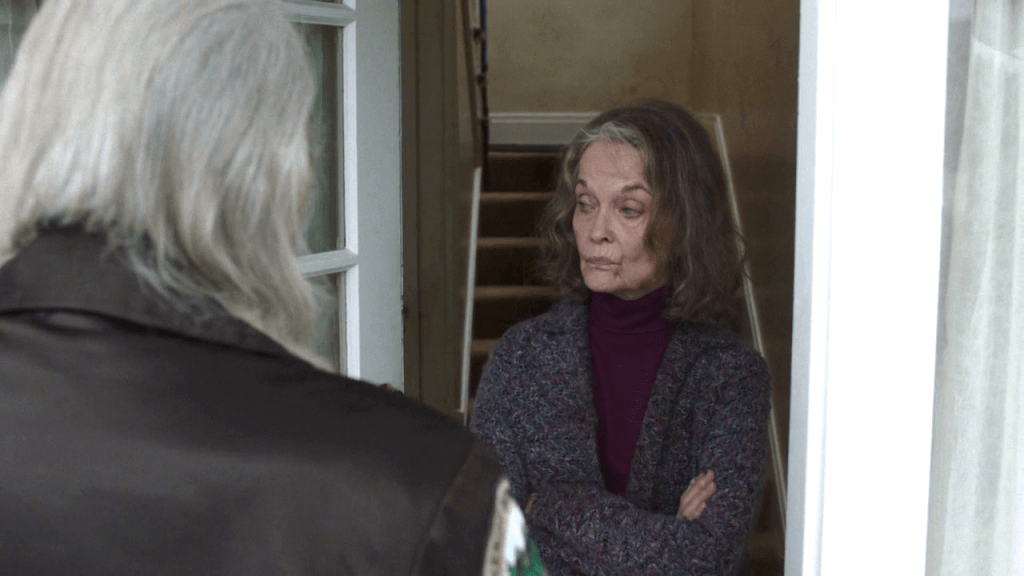
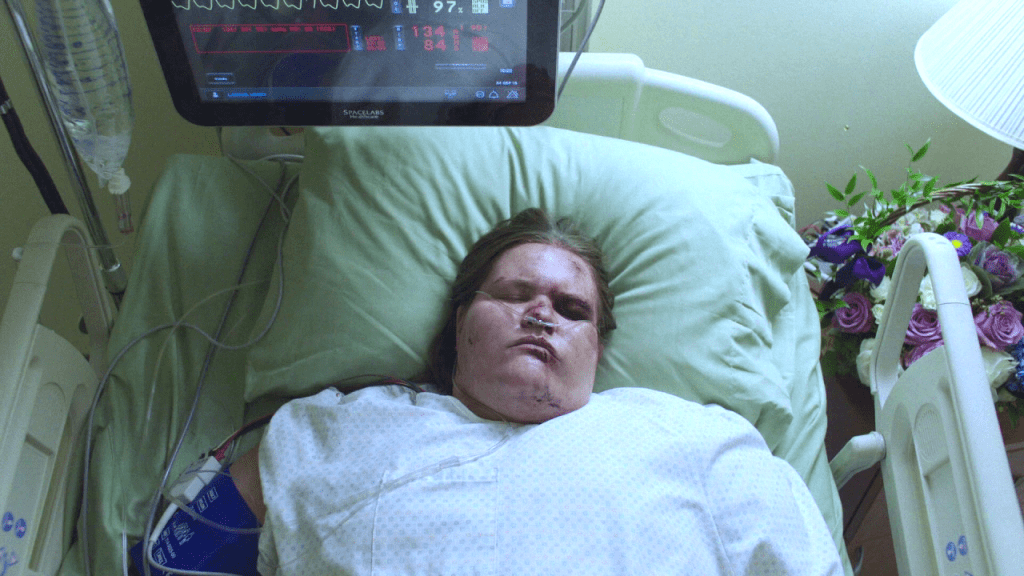


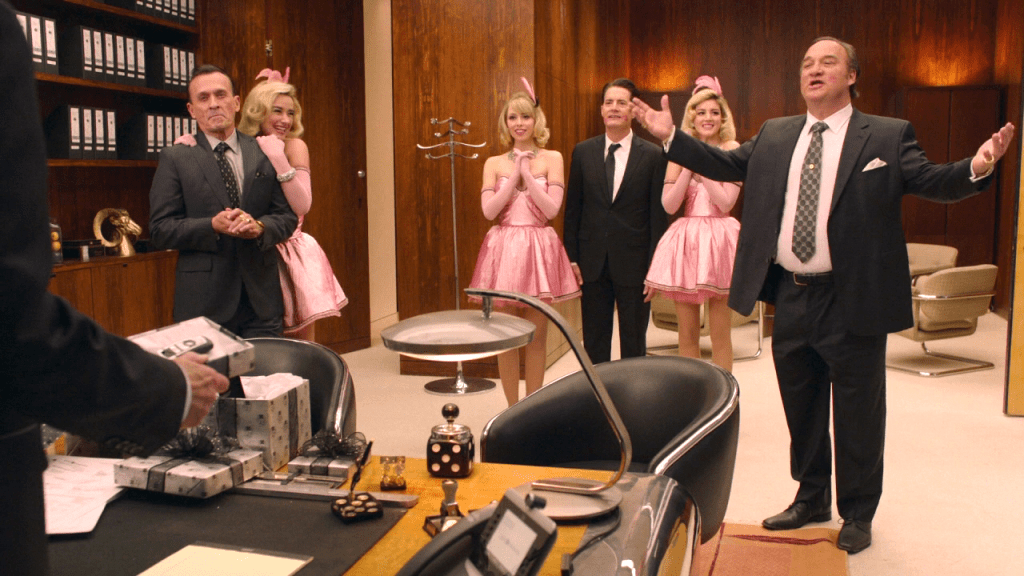
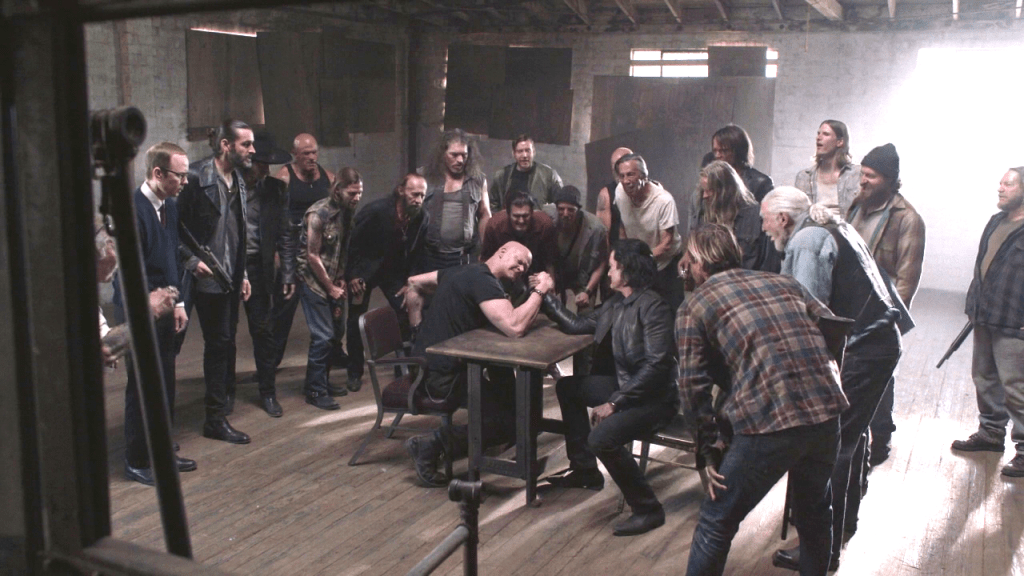



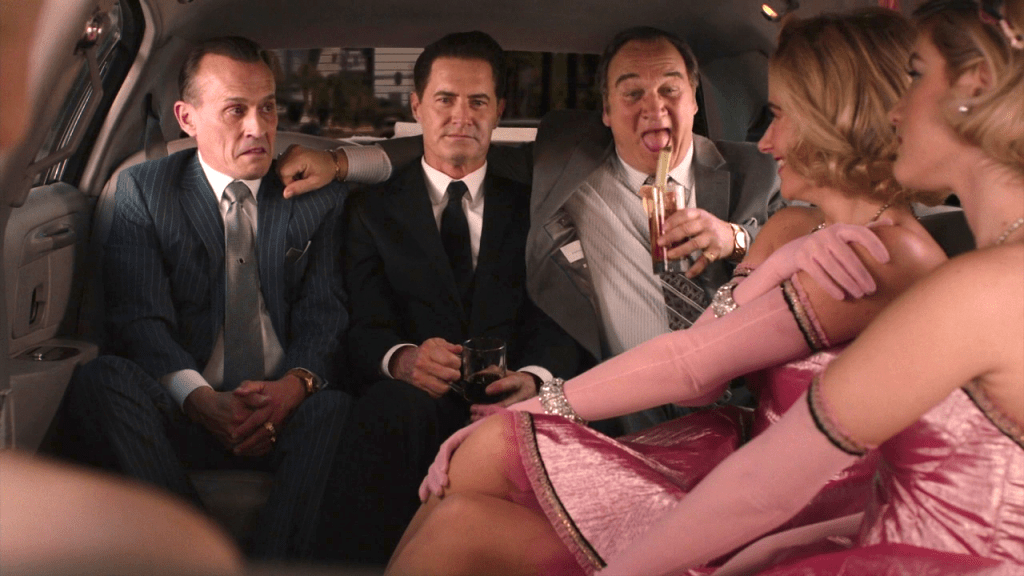
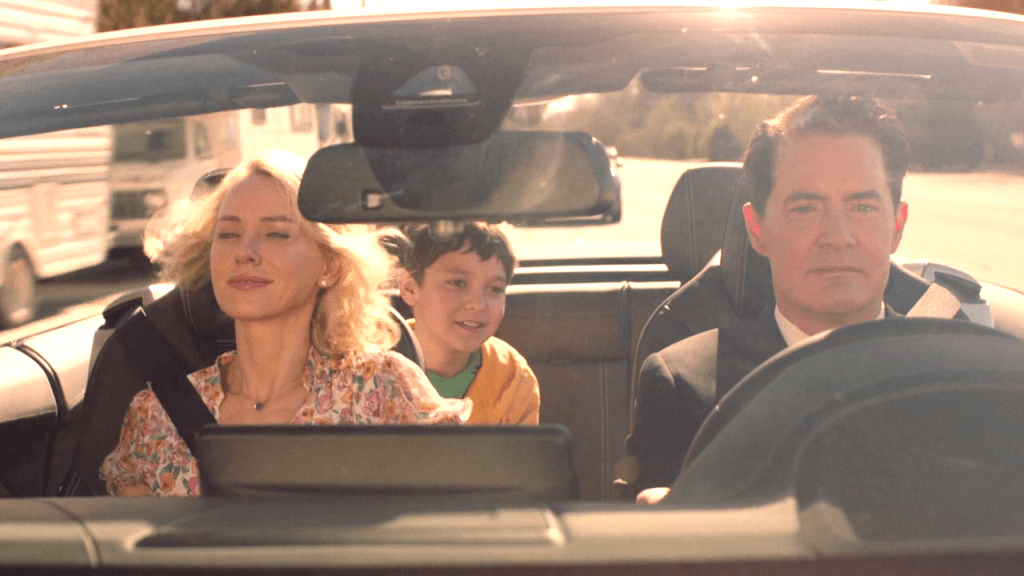
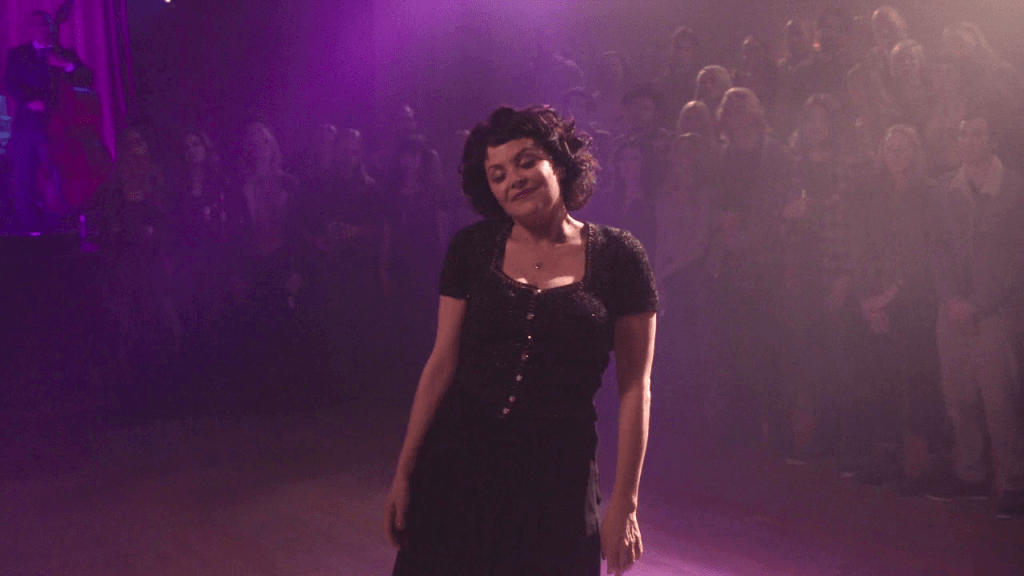

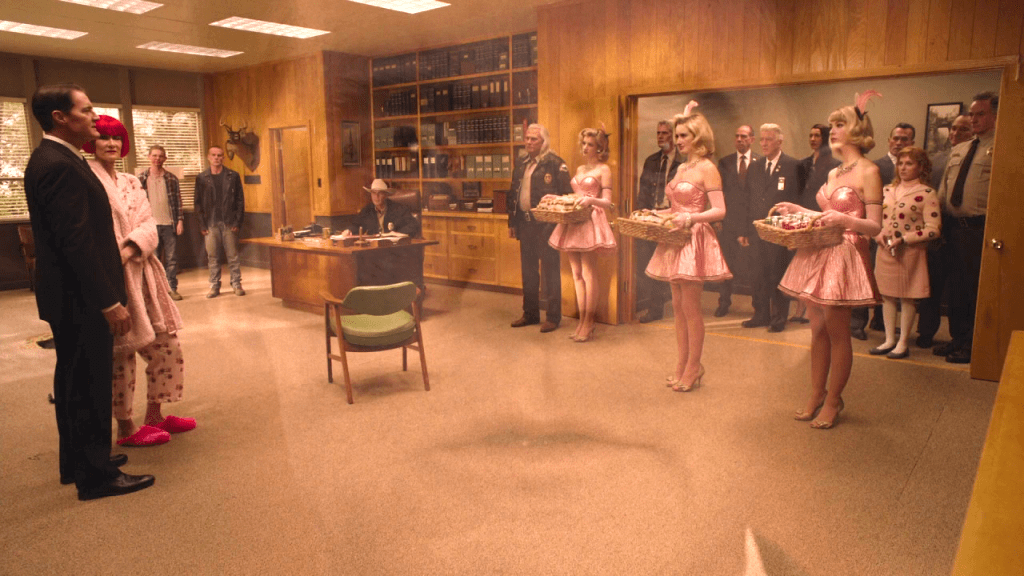
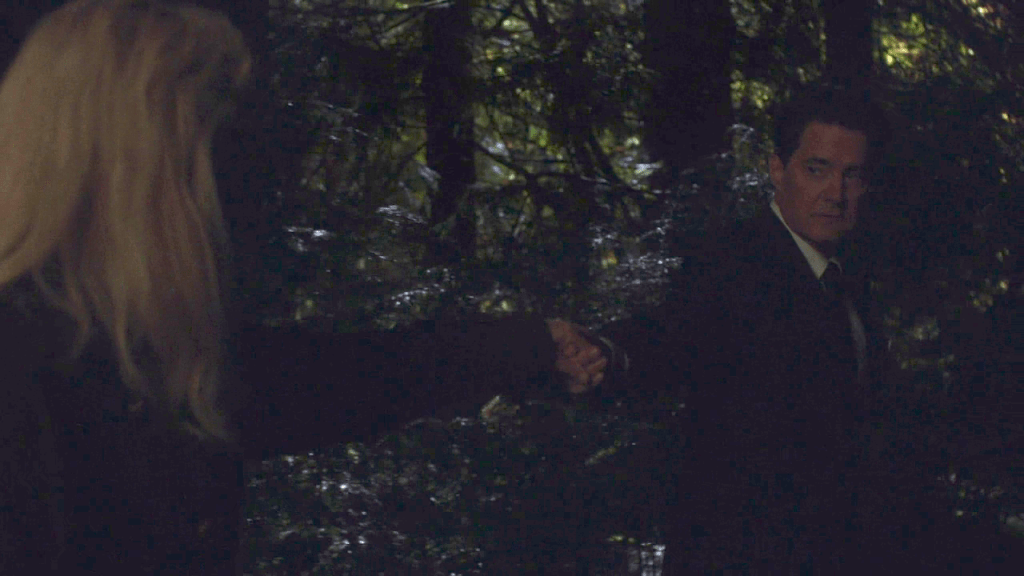


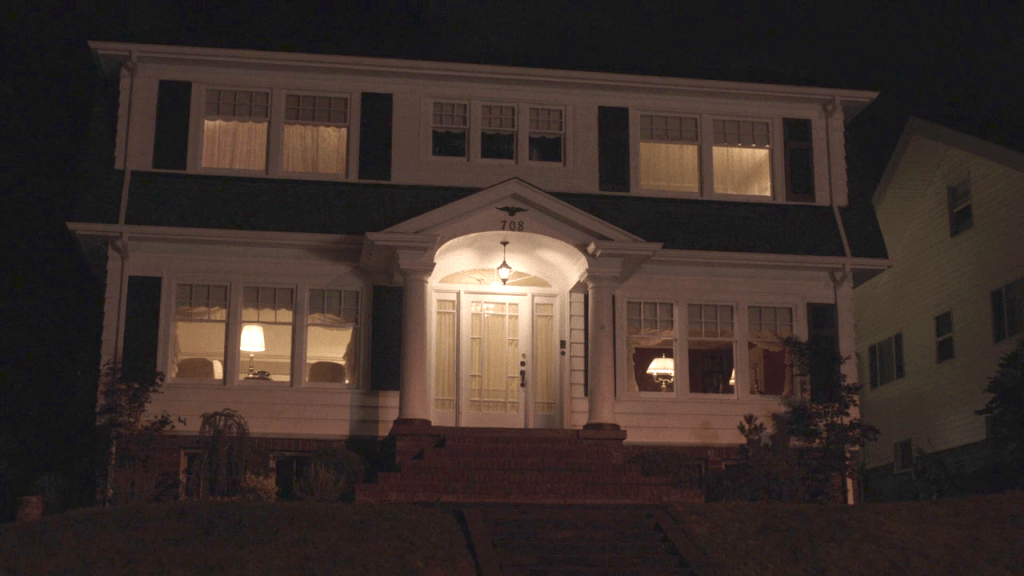
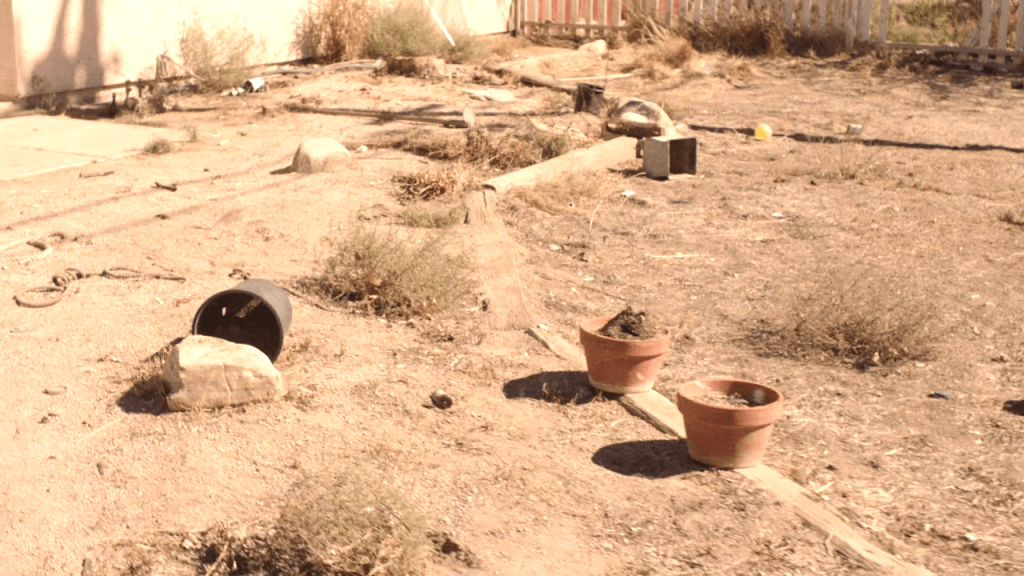
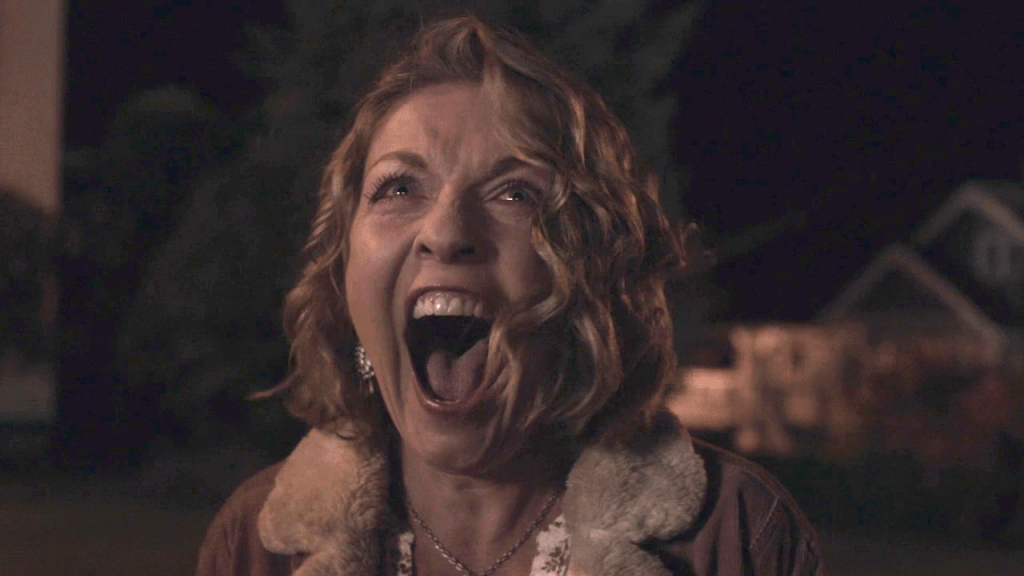
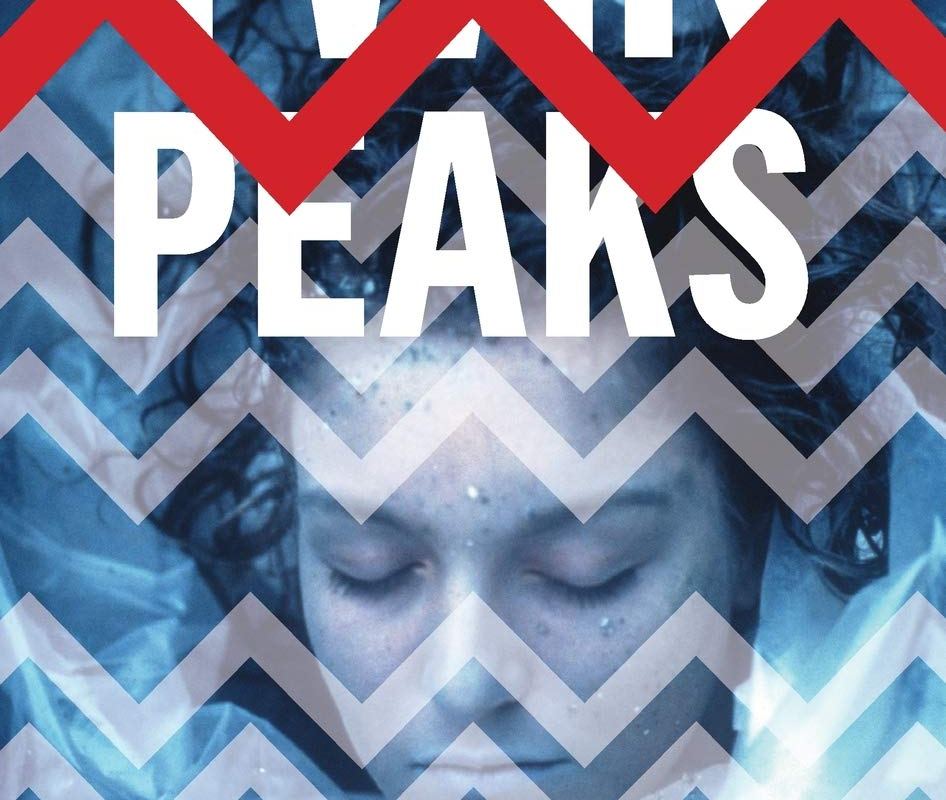
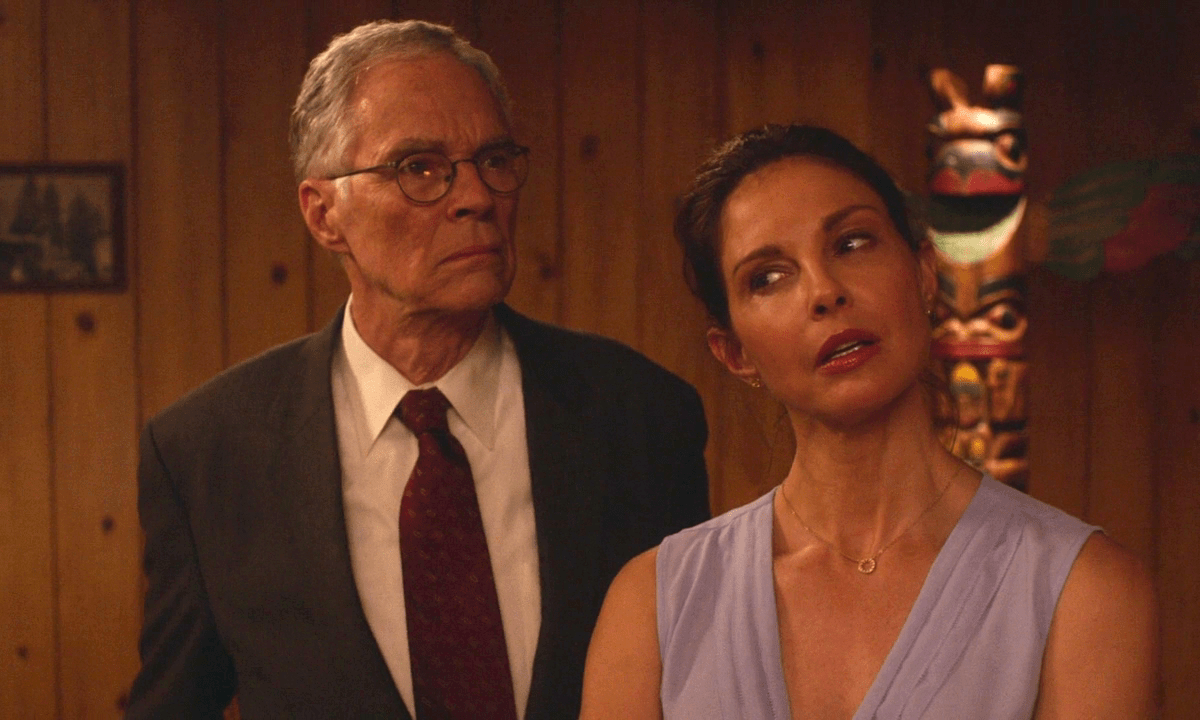

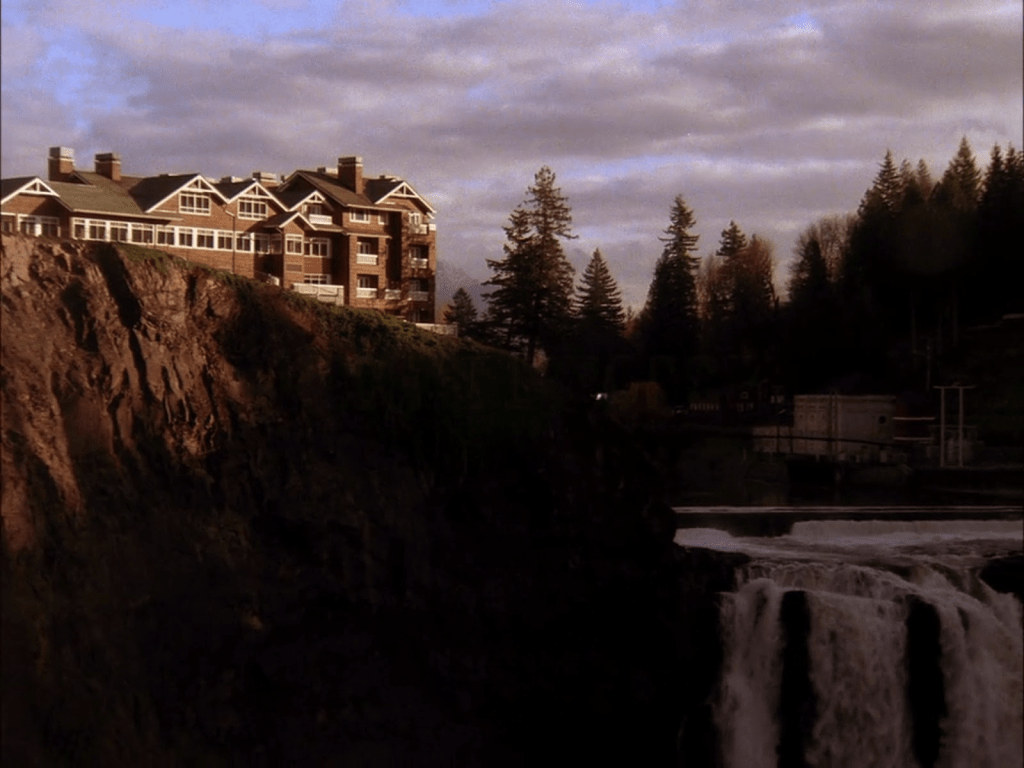
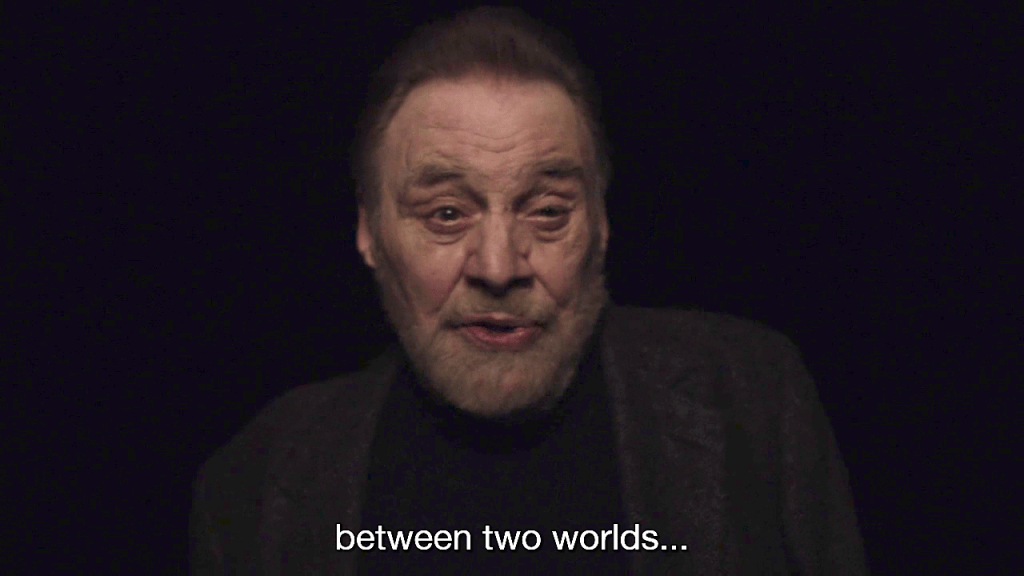
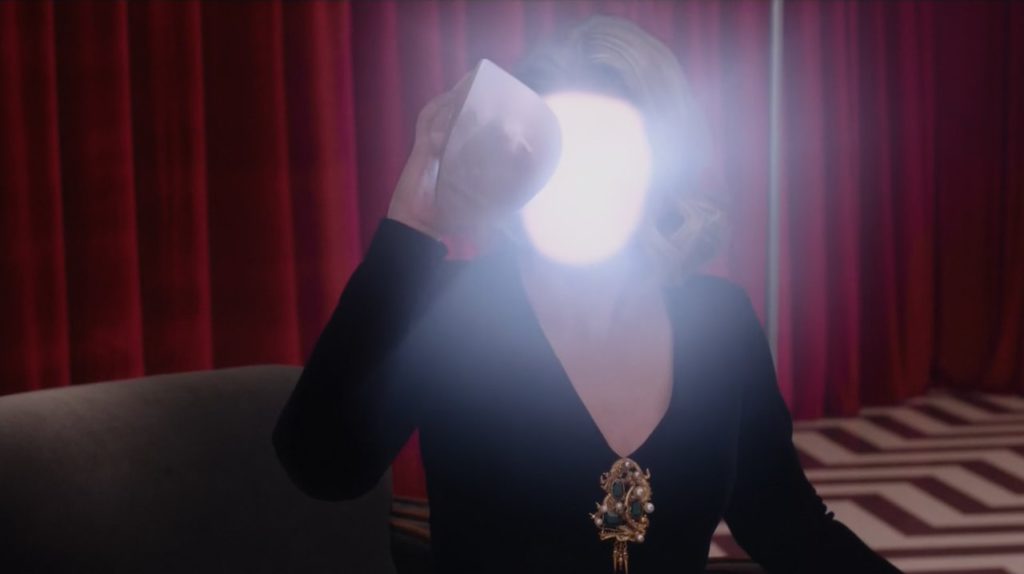


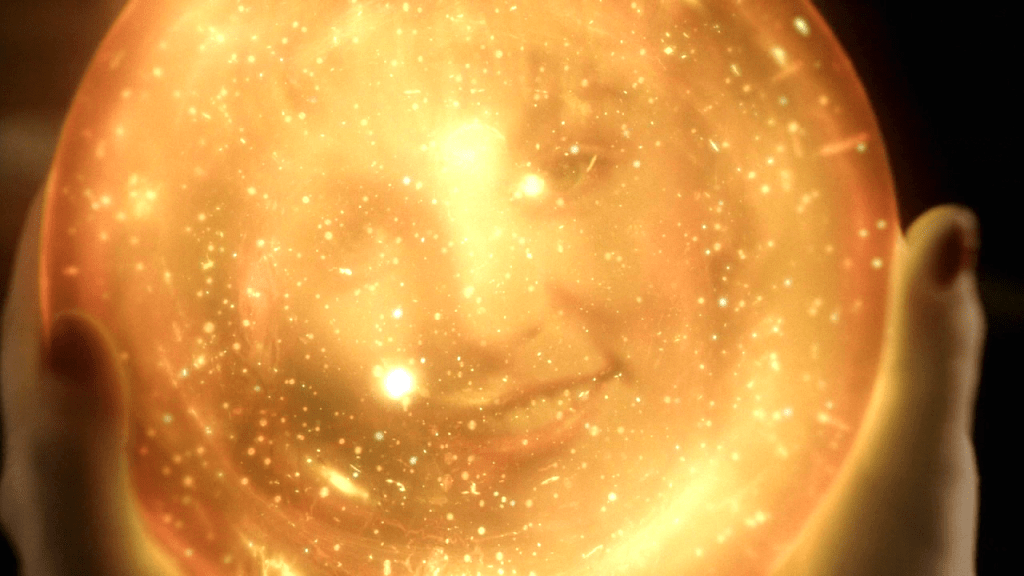


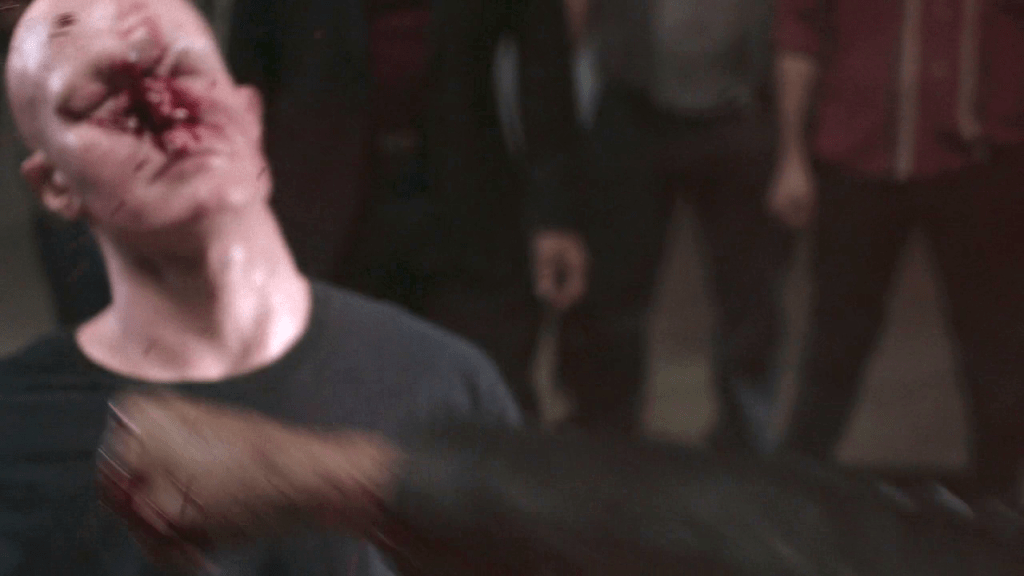


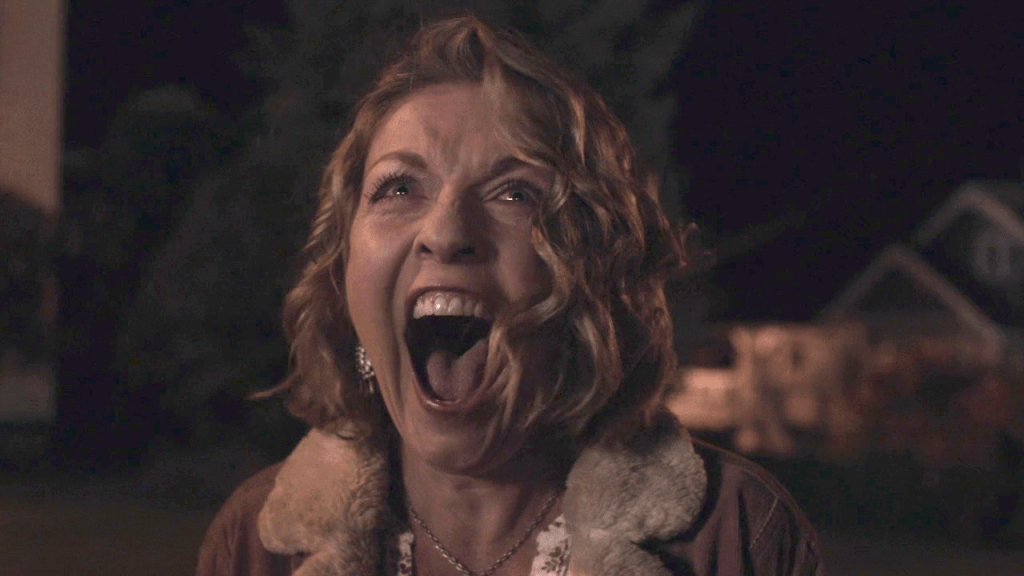
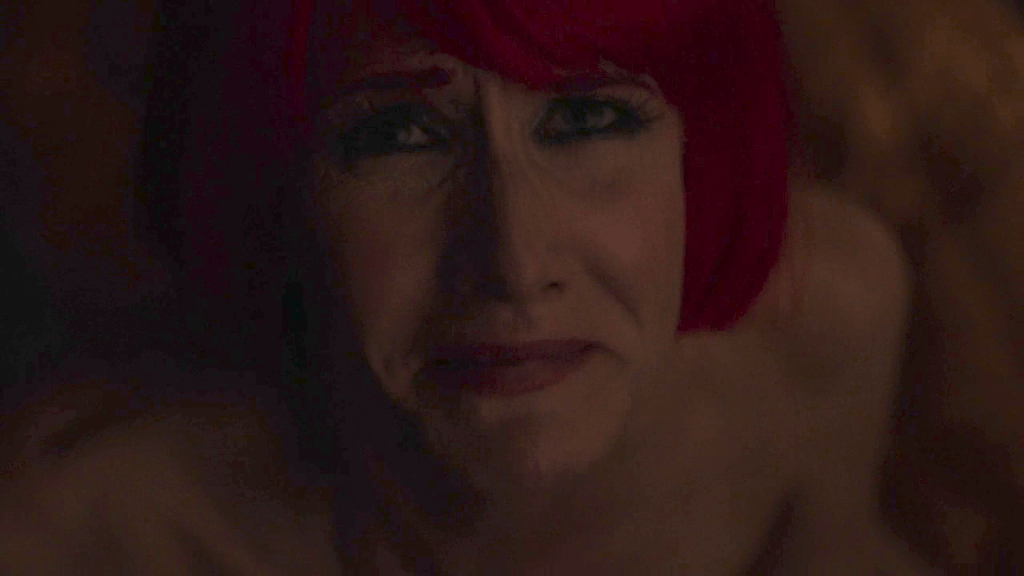


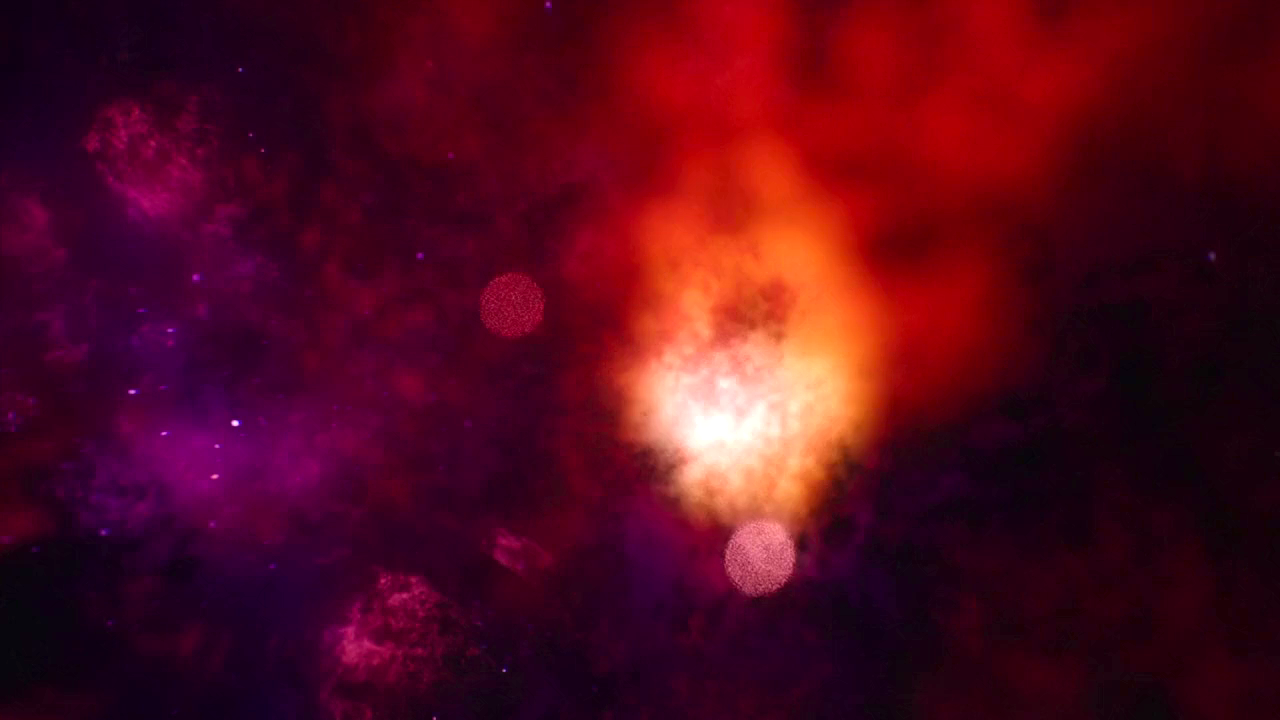

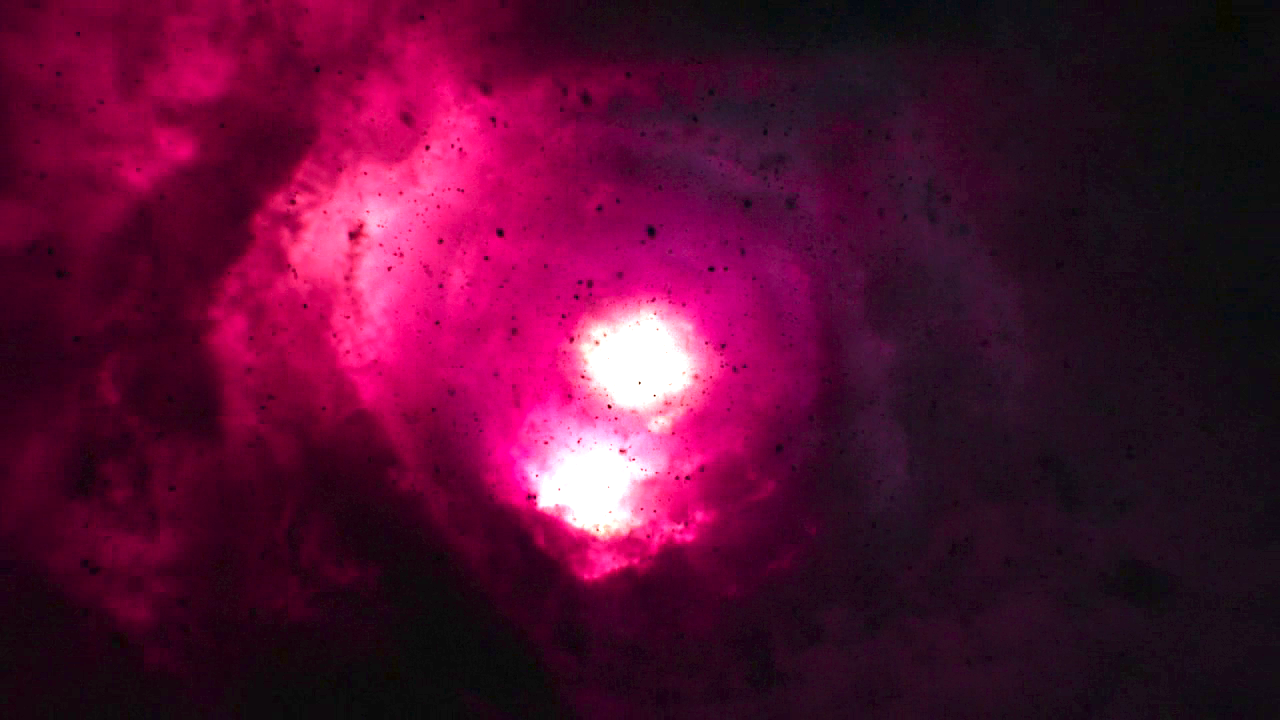

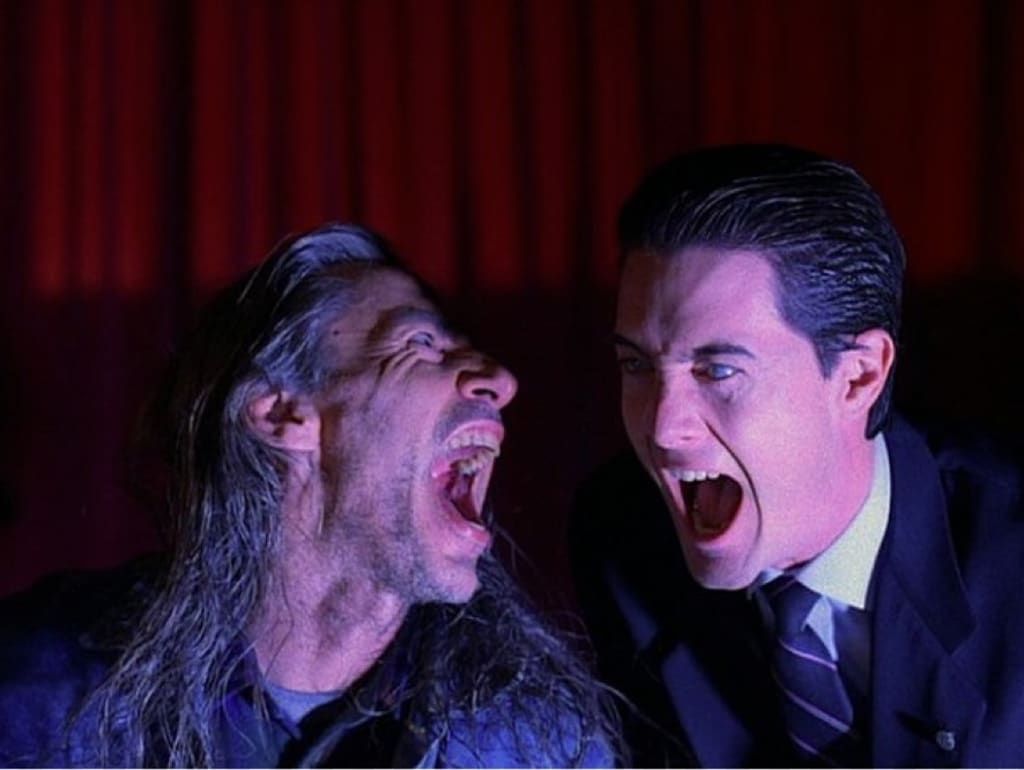


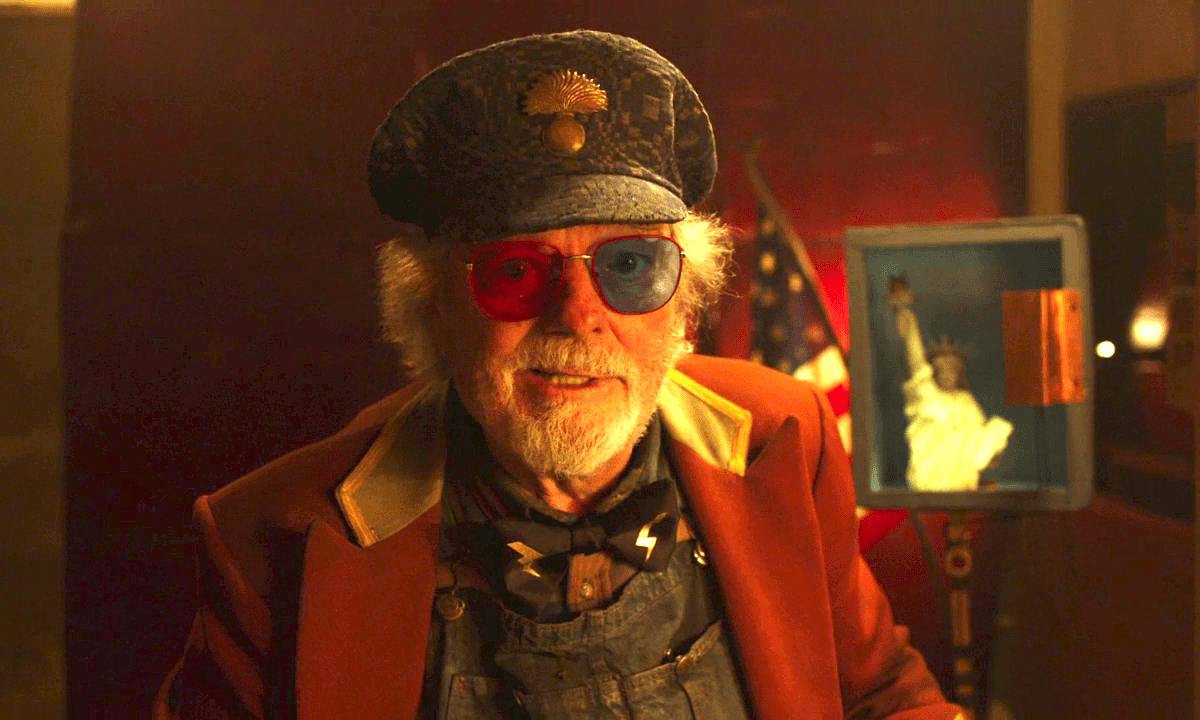

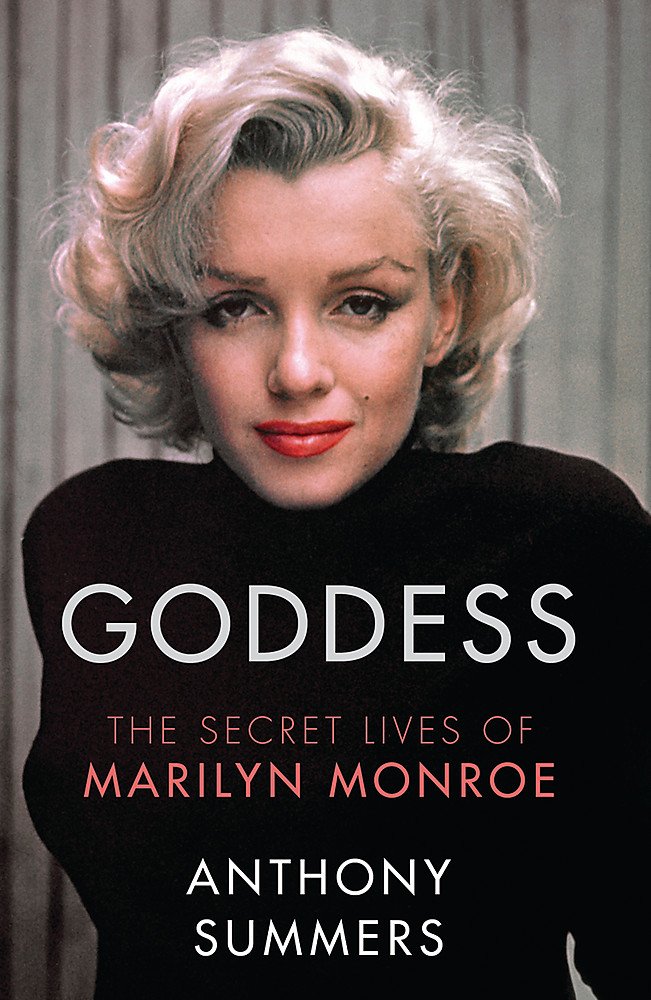
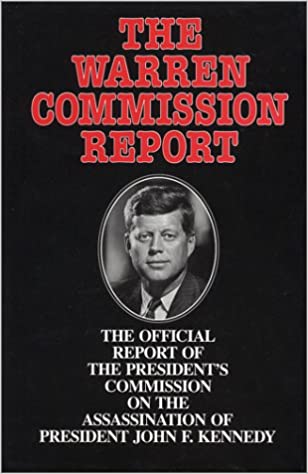
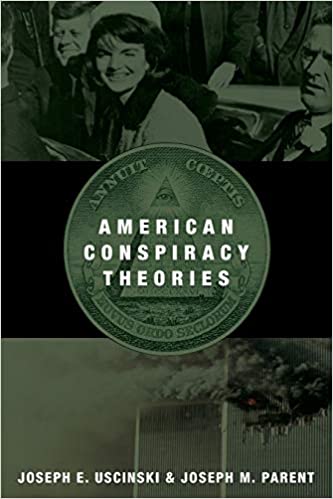
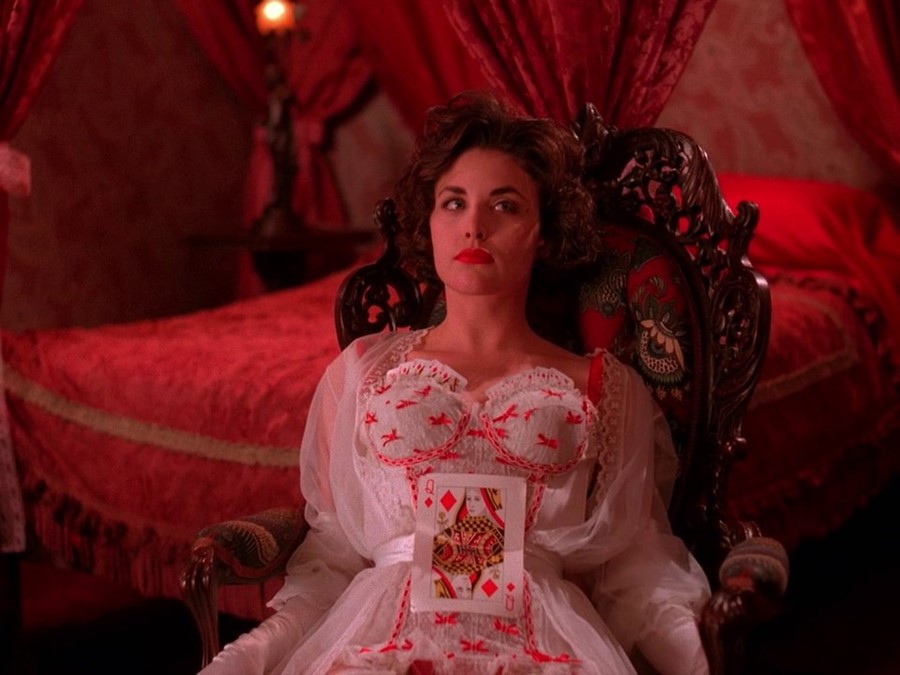
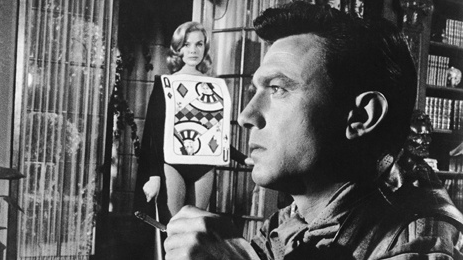
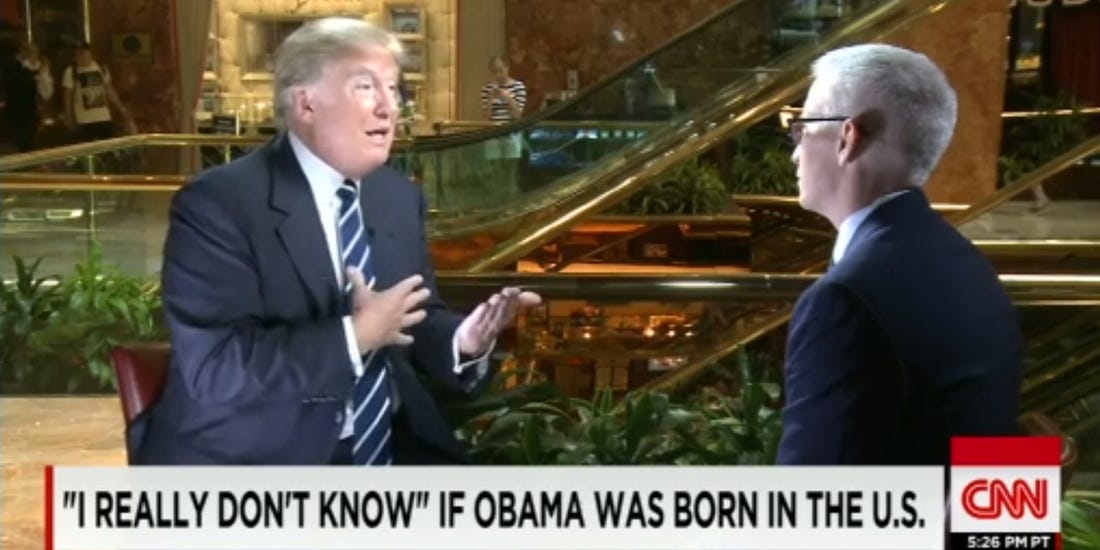
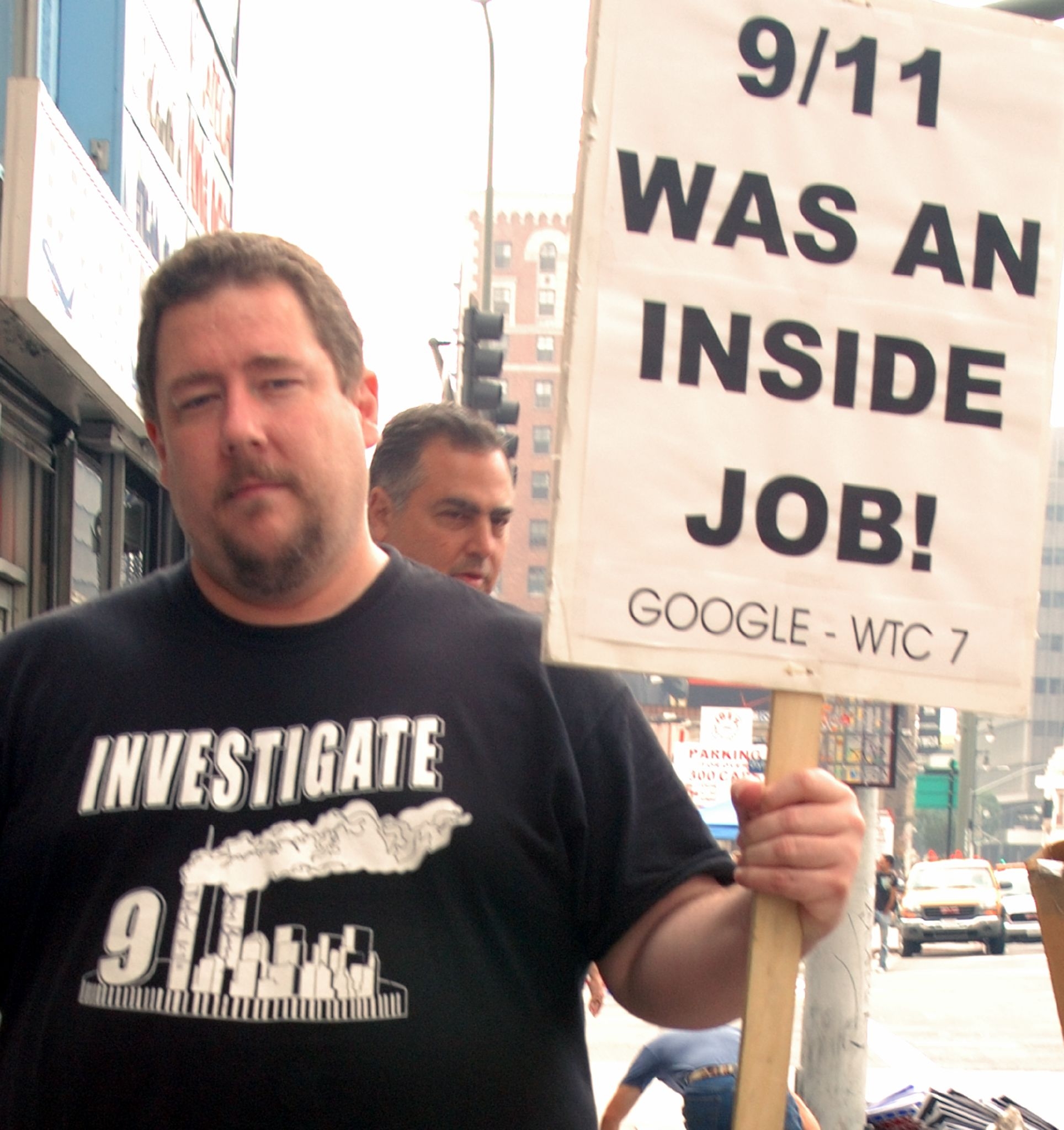

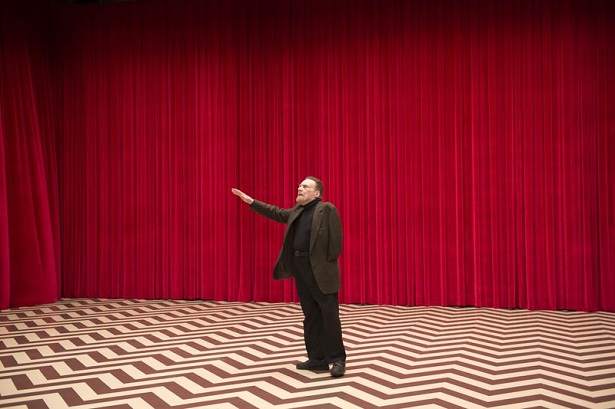
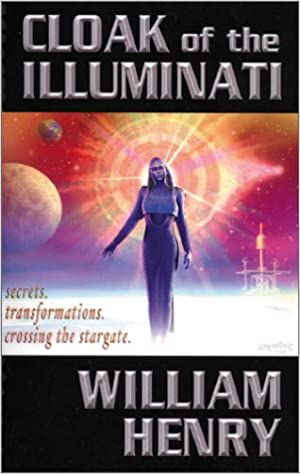
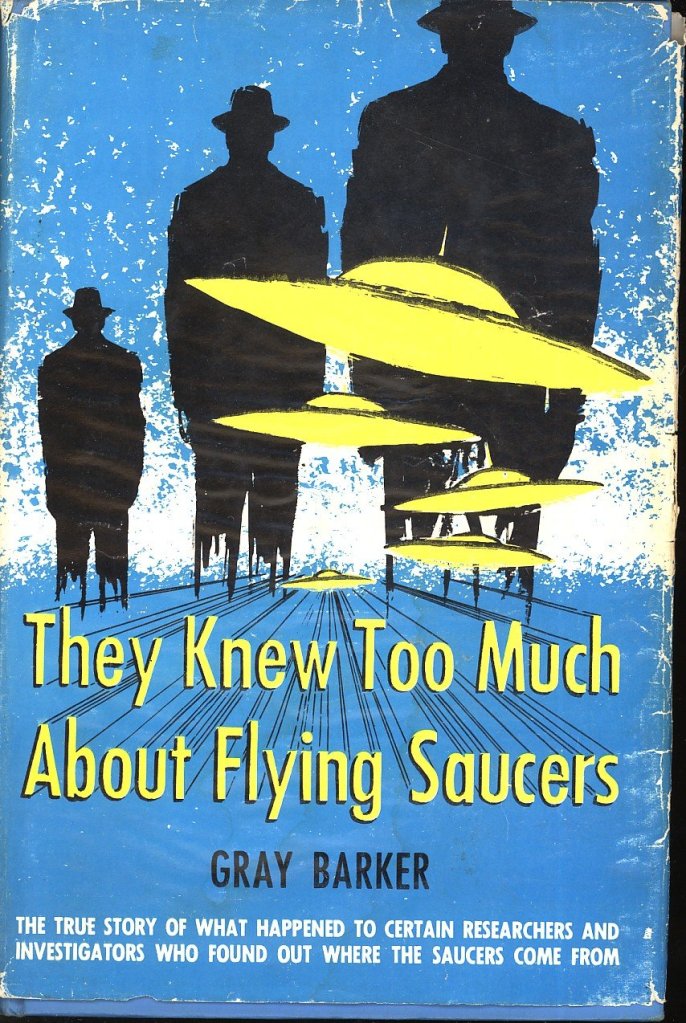
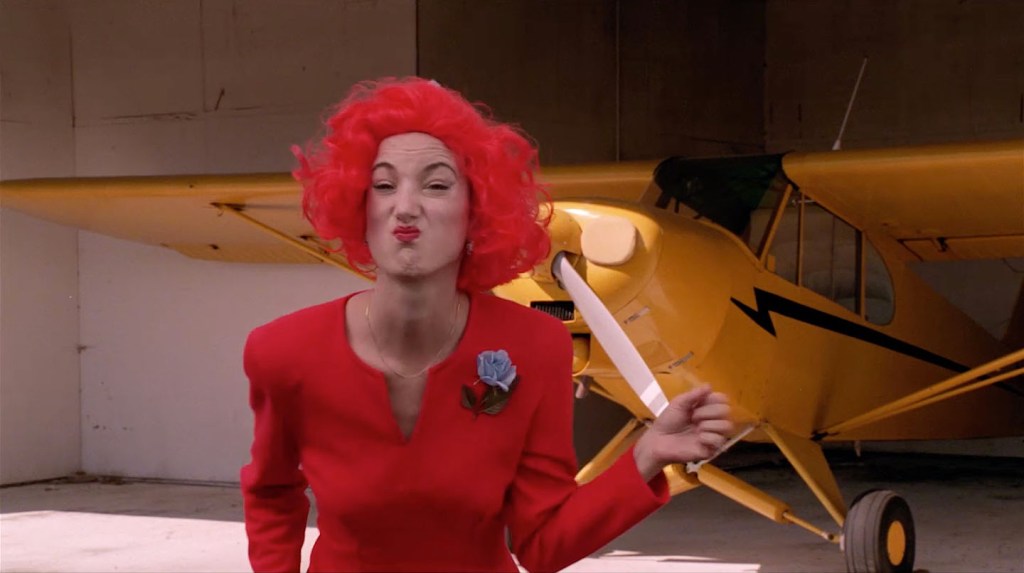
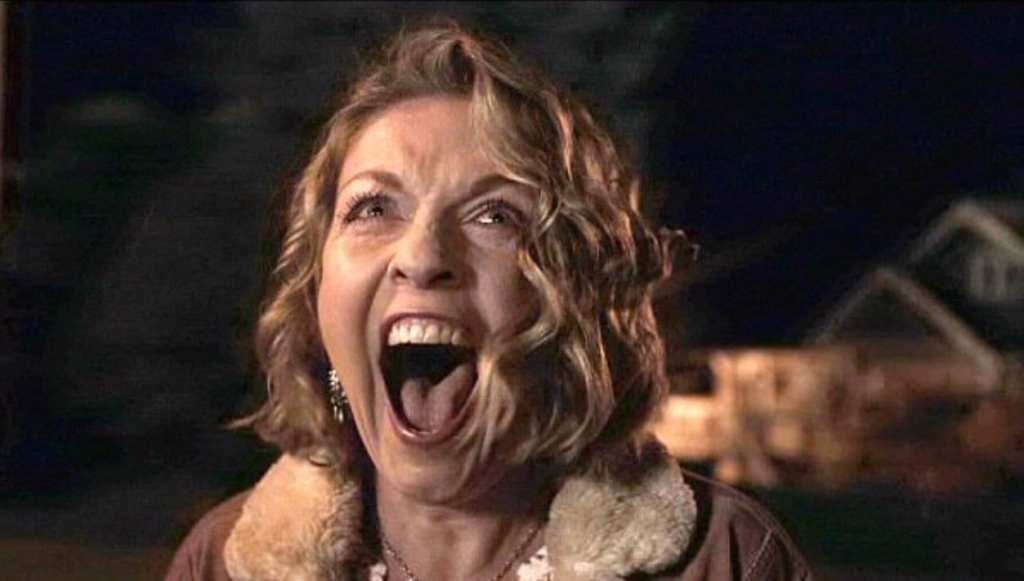

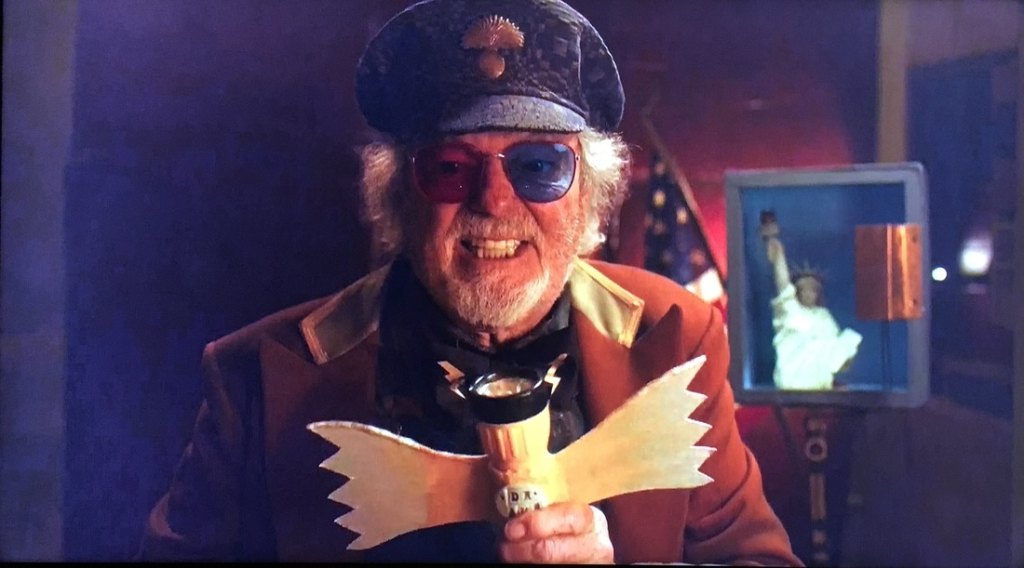
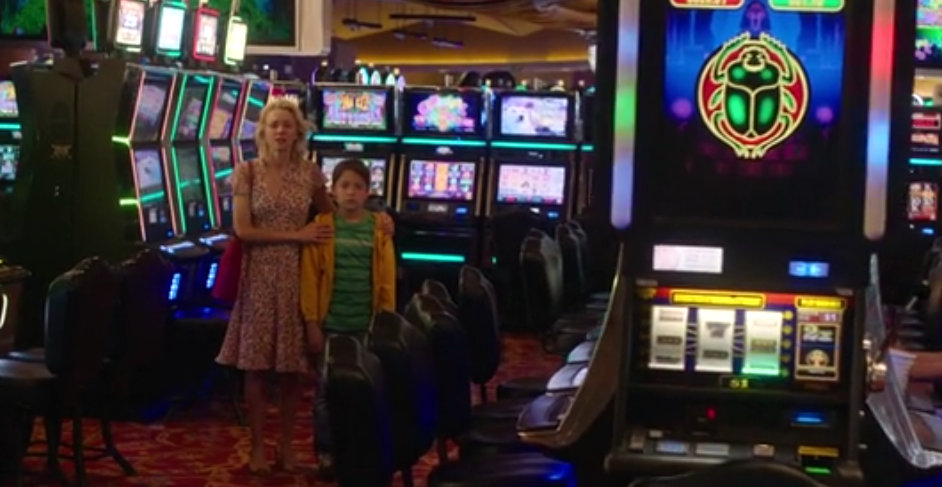
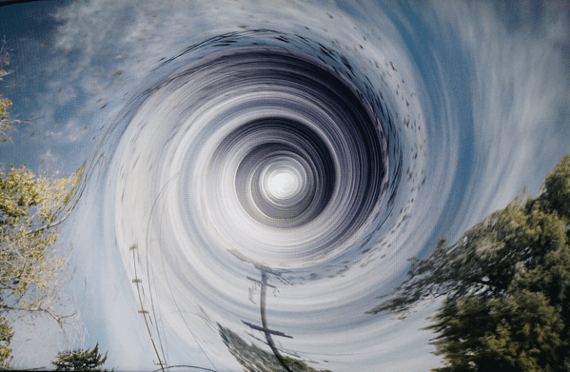
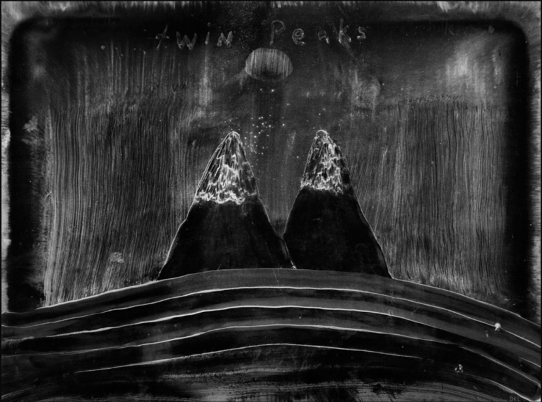

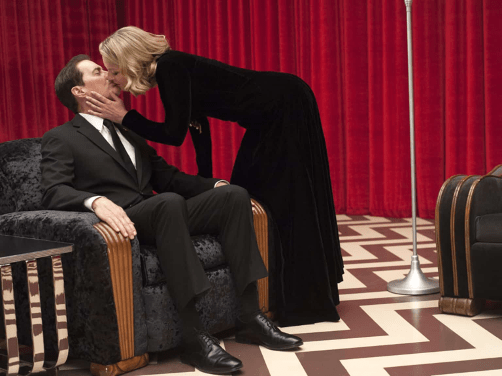
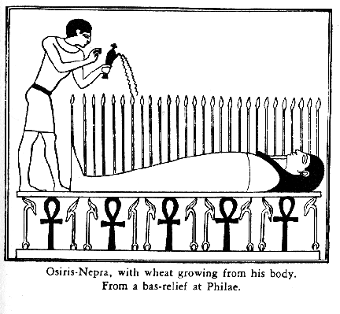
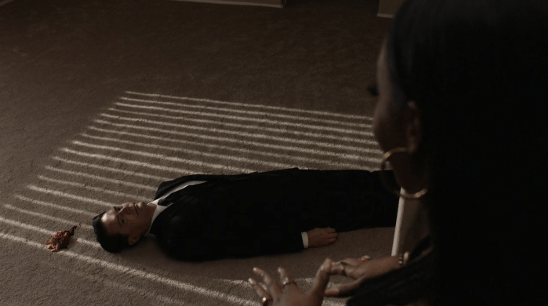
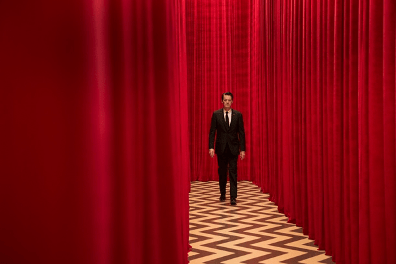
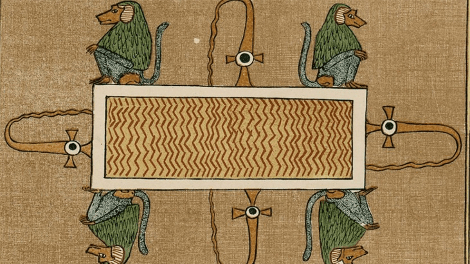
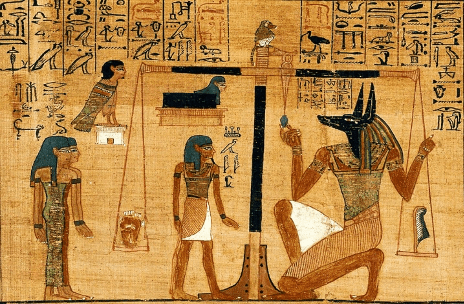
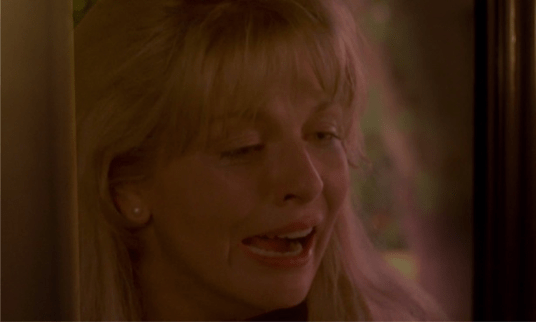
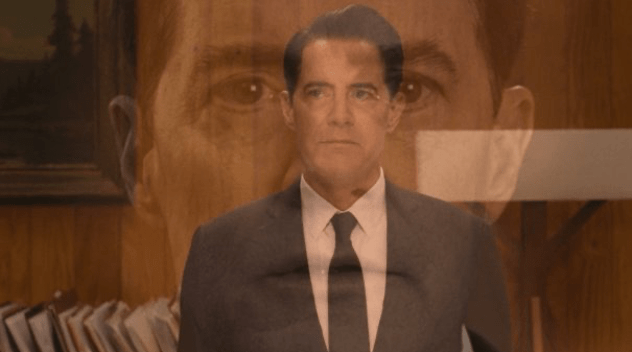

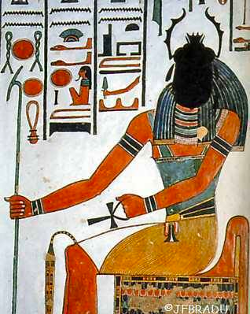
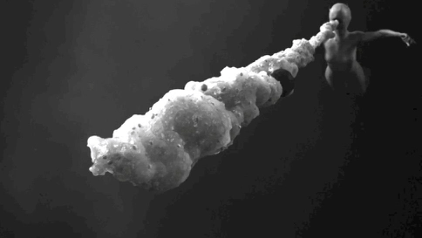
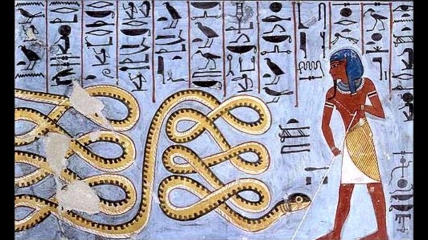
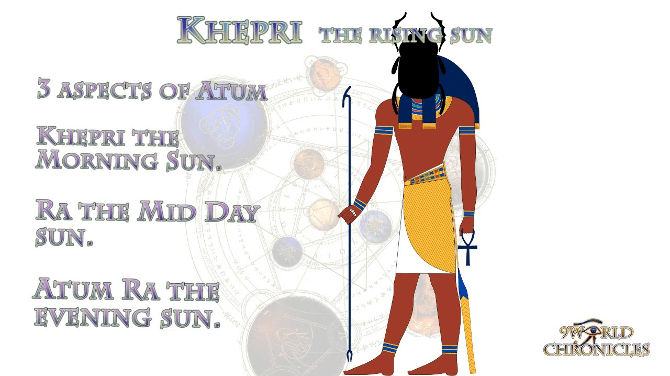
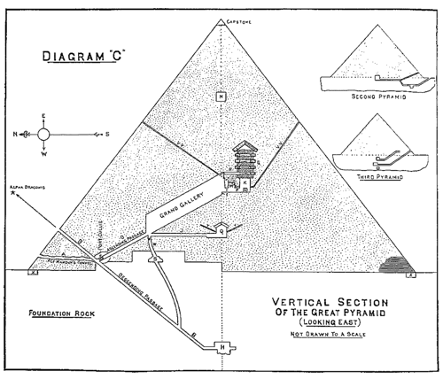
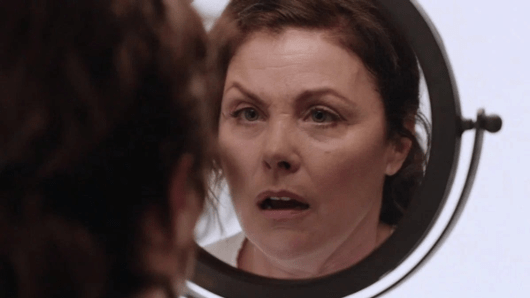
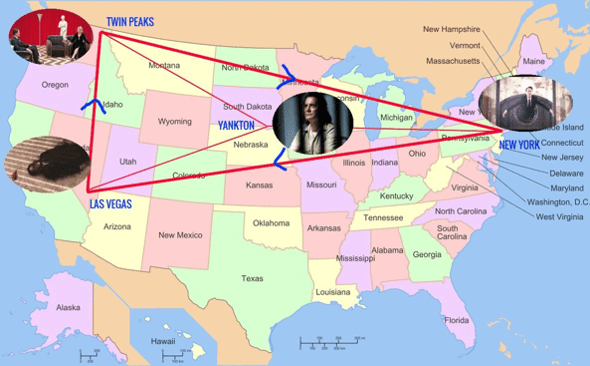


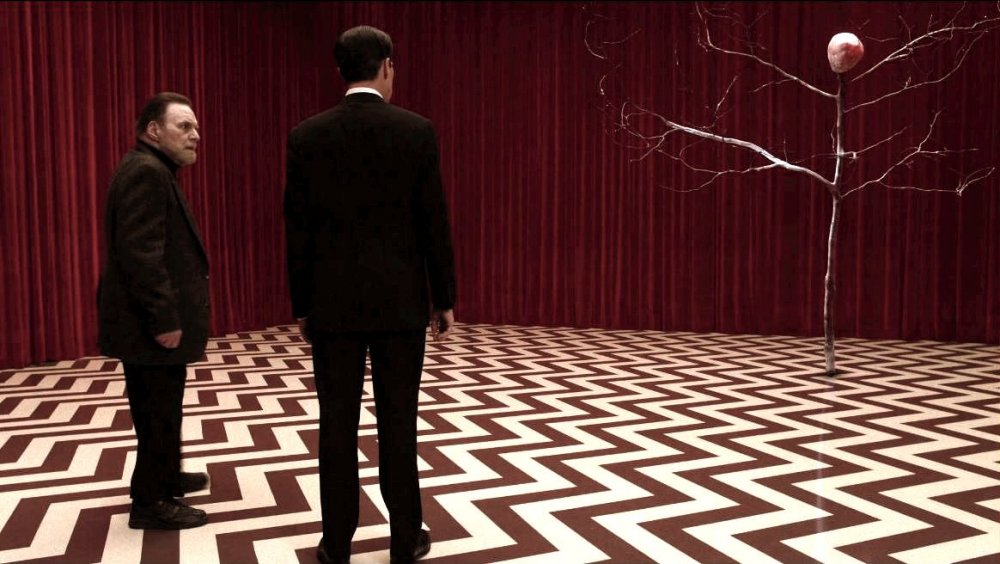


 TWIN PEAKS - Unwrapping the Plastic